Families planning a lower-fat fish tea
Plain white fish offers a different starting point from a coated product. If it fits the meal you are making, compare the cooking method and anything added to the fish as well as the fish itself.


For a tea where keeping fat lower is the main aim, start with plain frozen white-fish fillets and bake, steam or grill them: the NHS describes white fish as low in fat and distinguishes these methods from frying. If the familiar shape of fish fingers matters more, compare the exact products’ fat and saturates per 100g on a like-for-like cooking basis, then check salt, allergens and possible bones on the current pack.
Plain white fish offers a different starting point from a coated product. If it fits the meal you are making, compare the cooking method and anything added to the fish as well as the fish itself.
A familiar, portionable format may make tea easier to plan. Compare the exact packs for fat, saturates, salt, fish content and cooking instructions rather than treating every fish finger alike.
Fish can trigger allergic reactions, and the named Tesco and Young’s breaded fish fingers also contain wheat. Read the current ingredients and allergen information for the product you intend to serve; check for bone warnings too.
Decide whether plain fish or a coated finger format fits the meal, then compare the nutrition and serving details of the products you are considering.
| Priority | What to check | Your needs |
|---|---|---|
| Fish and cooking method | Look for a plain white-fish fillet if you want to limit added coating. Check the pack’s baking, steaming or grilling instructions and any bone warning. The NHS describes white fish as low in fat. | I can prepare a simple fish tea and would rather choose the fish and accompanying ingredients separately. |
| Fish-finger nutrition | Compare fat, saturates and salt per 100g, checking whether the figures use the same cooking method; then look at the amount in the portion you plan to serve. Tesco Groceries lists 6.6g fat and 0.7g saturates per 100g for Tesco Omega 3 Fish Fingers, while its Young’s Omega 3 Fish Fingers listing gives 8.2g fat and 1.0g saturates per 100g grilled. Confirm the cooking basis before treating those figures as a direct comparison. | Fish fingers fit our tea-time routine, but I want to judge the exact pack rather than its brand or “Omega 3” wording alone. |
| Pack labels | Use the nutrition panel for precise per-100g figures and the pack’s serving information for the portion. A traffic-light label can help you locate the listed fat, saturates and salt. | I want to read the label while shopping. In the Food Standards Agency and Ipsos Northern Ireland’s 2024 tracker, which completed 611 interviews, 49% of respondents said they actively used traffic-light labelling when shopping for food; that figure is not specific to parents or fish. |
| Oily fish | Identify the fish species rather than relying on an “Omega 3” product name. The NHS identifies salmon as oily fish, while the named Tesco and Young’s Omega 3 fish fingers contain Alaska pollock, a white fish. | If including oily fish is the aim, I need to choose an oily-fish product rather than assume pollock fish fingers serve the same purpose. |
| Allergens and bones | Read the current ingredients and allergen statement. The named Tesco and Young’s fish fingers contain fish and wheat, and their product information warns that minor bones may remain. | Before serving fish to a child, I need to check that the particular product fits their allergy requirements and examine any bone warning. |
The NHS describes white fish as low in fat, but a coating and the way a product is cooked can change the finished meal.
Choose plain fillets when that suits the meal. For coated fish, compare the exact nutrition panels and follow each pack’s cooking directions.
The named Tesco and Young’s Omega 3 fish fingers contain Alaska pollock. Pollock is white fish, not an oily-fish species such as salmon.
Choose according to the meal’s purpose: a lower-fat white-fish option, a convenient coated format, or an oily-fish dish.
The named breaded fish fingers contain fish and wheat, and their product information warns that minor bones may remain.
Check the current pack’s ingredients and warnings for the child who will eat it, and supervise young children at mealtimes.
A comparison between two fish teas does not establish what is appropriate across a child’s diet. For example, NHS guidance says skimmed or 1% fat milk is not recommended as a main drink for children under five.
Use fat figures to compare the particular meal; seek individual advice for growth, feeding or medical concerns.
These examples help identify products and range types to compare; they do not describe every product sold under each brand.
Tesco Omega 3 Fish Fingers provide a named breaded Alaska-pollock product for a pack-level comparison.
Young’s Omega 3 Fish Fingers are another named Alaska-pollock finger product to assess by its own label.
Birds Eye Omega 3 Fish Fingers offer another coated Alaska-pollock format.
The M&S frozen-fish range includes plain fillets and fish fingers, allowing shoppers to consider different meal formats.
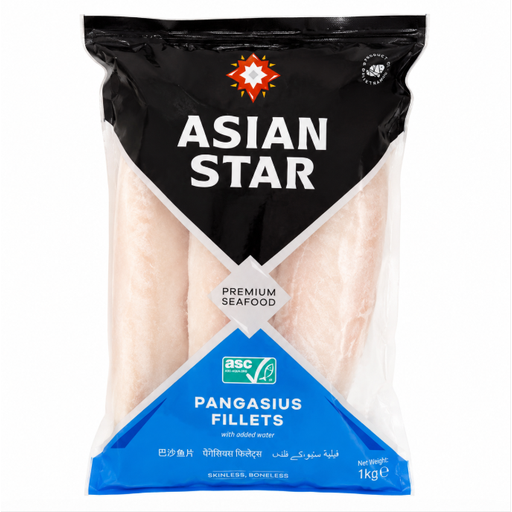
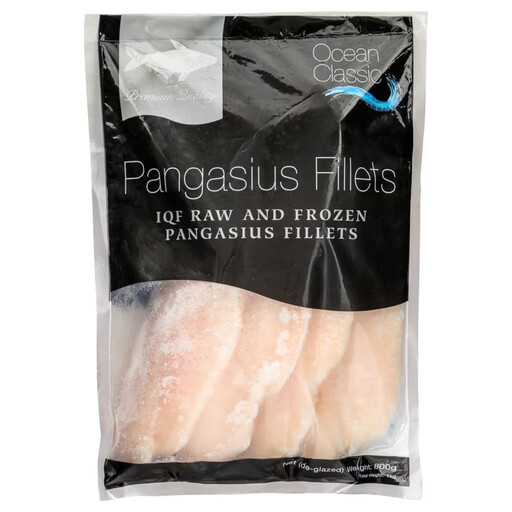
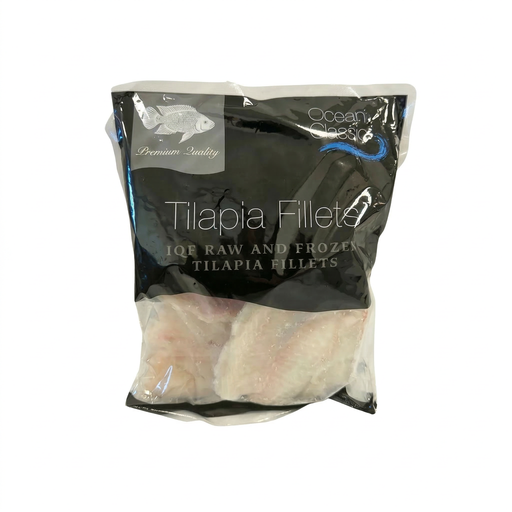
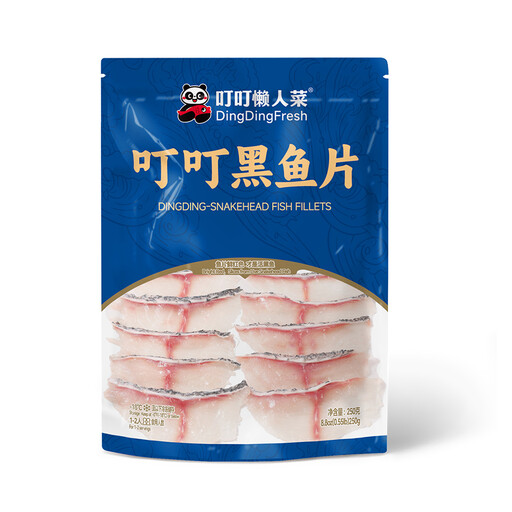
These fillet products suit a tea built around fish rather than breaded fish fingers. Compare their current pack labels and cooking instructions before choosing a portion for a child.
 No image available
White pangasius fillets are an option for a meal based on fish rather than a coated finger product.
The title states a 1kg pack and 800g net weight. Check the current pack’s fat, salt, ingredients, cooking directions and bone information before serving.
 No image available
These pangasius fillets offer a plain-fish format instead of fish fingers.
The title identifies them as skinless and boneless and gives a 1kg pack weight with 800g net. Check the current label for nutrition, allergens, cooking instructions and any handling warnings.
 No image available
Tilapia fillets provide another uncoated fish format for a prepared tea.
The title gives a 1kg pack and 800g net weight. Check the pack for fat, salt, cooking instructions and bone information before serving a child.
 No image available
These fish fillets are a different meal format from breaded fish fingers.
The title states a 250 g pack. Check the current ingredients, fat and salt per 100g, cooking directions and portion size when planning a child’s tea.
No. The NHS describes white fish as low in fat, but coating and cooking method affect the finished product. Compare fat and saturates on the exact pack, using the same per-100g and cooking basis where possible.
Not simply because it says “Omega 3”. The named Tesco and Young’s fish fingers contain Alaska pollock, which the NHS identifies as white fish; salmon is an example of oily fish. Check the species if including oily fish is your aim.
Read the current ingredients and allergen information for the exact product. Fish can trigger allergic reactions, and the named Tesco and Young’s breaded products also contain wheat. If a child has a diagnosed allergy, follow their individual clinical advice rather than assuming a different fish or shellfish is suitable.
Follow the instructions on the particular pack, as methods and times can differ. Birds Eye instructs shoppers to cook its named Omega 3 Fish Fingers until piping hot.