Who is this for?

Football viewers who want a savoury snack

If a bowl of nuts is part of watching the match, a measured serving lets you decide how much to put out before play starts. Check the exact pack for fat, salt and flavourings rather than treating portion size as a low-fat claim.

Shoppers open to a different peanut format

Peanut powder is worth comparing if you would use it in a dip, spread or mixed snack instead of eating whole nuts. What you add to it matters when assessing the finished snack.

Anyone serving guests with allergies

The Food Standards Agency distinguishes peanuts, which are legumes, from tree nuts such as almonds and cashews. Check the allergen information on each exact product before serving it to a guest with an allergy.

What should you check?

Portioned whole nuts

Choose when: You want the familiar crunch of nuts and can decide on a serving before the match.

Trade-off: A smaller pack changes the amount you eat, not the fat content per 100 g.

Peanut powder

Choose when: You are willing to make a dip, spread or mixed snack instead of serving whole nuts.

Trade-off: It needs preparation, and the other ingredients affect the finished snack.

Priority What to check Your needs
Fat claim and format Compare fat per 100 g and per serving. The UK-retained nutrition-claims annex published by legislation.gov.uk specifies no more than 3 g of fat per 100 g for a “low fat” claim on solid foods; a “reduced fat” claim has a different meaning. Check what any comparison is against. I want to know whether I am buying whole nuts, a smaller portion of nuts or a peanut powder for a prepared snack.
Portion size Check the weight of one pack or serving against the nutrition panel. KP Snacks says its 30 g Snack Packs contain under 200 kcal; check the figures on the particular pack you buy. When a match runs on, I would rather put out one measured serving than eat directly from a sharing bag.
Salt and flavourings Compare salt per 100 g and per serving, then read the ingredients on the exact variant. Plain, dry-roasted, salted and flavoured listings do not establish identical nutrition. I want a savoury snack, but I do not want to assume that every version of the same nut has the same salt or ingredients.
Allergens Read the current ingredients and allergen declaration for each product. The Food Standards Agency identifies peanuts and tree nuts separately. If guests have allergies, I need to check the products I will serve rather than substitute peanuts for tree nuts, or the reverse, on assumption.

Common buying mistakes

  • Treating “reduced fat” as “low fat”

    The claims describe different things. For solid foods, the UK-retained nutrition-claims annex published by legislation.gov.uk specifies a limit of no more than 3 g of fat per 100 g for a “low fat” claim.

    Read the wording on the pack, the fat figures per 100 g and per serving, and the comparison used for any “reduced fat” claim.

  • Using the sharing bag as the serving

    A large bag makes it easy to lose track of the amount put out during a match. A defined portion helps with that decision, but does not make the nuts low fat.

    Decant a serving before the match or check the weight of an individual pack against its nutrition panel.

  • Assuming every nut variant has the same nutrition

    Tesco and Asda list different plain, roasted, salted and flavoured nut formats. The nut named on the front does not tell you the salt or ingredients of every variant.

    Compare the nutrition table and ingredients on the exact product, particularly when choosing a seasoned or coated snack.

  • Confusing peanuts with tree nuts

    The Food Standards Agency identifies peanuts as legumes and tree nuts as a separate allergen category. Confusing the two can create a serious risk for someone with an allergy.

    Check the relevant allergen declaration on every product and do not make a substitution for an allergic guest without appropriate confirmation.

Brand and retailer references

KP

KP offers portioned nut snacks alongside other nut formats. KP Snacks says its 30 g Snack Packs contain under 200 kcal.

  • A stated pack weight gives you a defined serving to compare with the nutrition panel.
  • That pack format does not establish that all KP nuts are low fat; check the fat, salt and ingredients of the exact product.

Tesco

Tesco’s nut listings include dry-roasted peanuts, salted roasted peanuts and unsalted mixed nuts.

  • The different formats provide starting points for comparing pack sizes and seasoning.
  • A category listing does not establish the nutrition of a particular pack or a reduced-fat whole-nut option.

Asda

Asda separates raw nuts and seeds from salted, roasted and flavoured nut categories.

  • Those categories can help you narrow the format you want before reading individual labels.
  • The category name cannot tell you whether a specific product meets your fat or salt preference.

Portioned nut options on Joybuy

These packs offer measured servings of nuts or a nut-and-fruit mix for watching football. Compare their labels if you are shopping specifically for lower fat; portioning alone does not establish that claim.
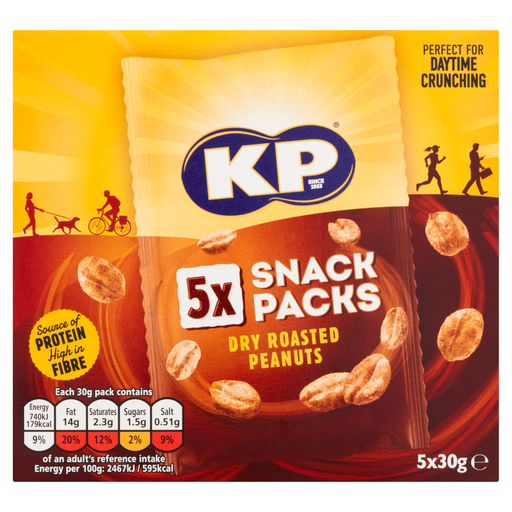
KP Snacks Dry Roasted Peanuts, five 30 g packs

KP Snacks Dry Roasted Peanuts, 5 × 30 g

Five individual 30 g packs make it straightforward to put out one serving for the match. These are dry-roasted peanuts, not a low-fat choice on the basis of pack size; check the exact pack’s fat, salt and allergen information.

View on Joybuy
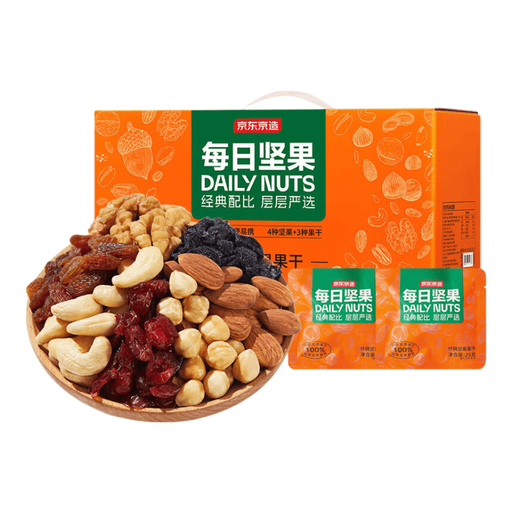
J.ZAO Classic Daily-Nut Mix, 750 g in 30 sachets

J.ZAO Classic Daily-Nut Mix, 750 g, 30 sachets

Thirty sachets provide a portioned nuts-and-dried-fruit format if you want a mixed snack rather than solely savoury nuts. Check the exact pack’s fat, sugar, ingredients and allergen information; individual sachets do not establish a low-fat product.

View on Joybuy

Questions about nut snacks

Does a small pack of nuts count as low fat?

No: a smaller pack defines the serving, not the fat content per 100 g. For a “low fat” claim on solid foods, the UK-retained nutrition-claims annex published by legislation.gov.uk specifies no more than 3 g of fat per 100 g; check the figure on the exact pack.

When might peanut powder suit a football snack?

Consider it if you are happy to prepare a dip, spread or mixed snack instead of eating whole nuts. Ocado’s PBfit listing describes a powder made after extracting about 85% of the oil from peanuts; check the powder’s label and everything you add to it when comparing the finished snack.

Should I choose plain, salted or dry-roasted nuts?

Choose according to the flavour you want and the exact pack’s nutrition and ingredients. Tesco lists these as distinct formats, so do not apply one variant’s salt or fat figures to another.

Are peanuts and tree nuts the same allergen?

No. The Food Standards Agency describes peanuts as legumes and distinguishes them from tree nuts, which include almonds and cashews. Check the exact product’s allergen information for the person who will eat it.

Is an online listing enough to check a snack for guests?

Use a listing to shortlist products, then check the ingredients, nutrition and allergen declaration on the pack received. That final check is particularly important when someone needs to avoid a specific allergen.