What should you check?
Choose the fish format that fits the recipe, then compare the current labels and cooking directions before deciding how to prepare it.
| Priority | What to check | Your needs |
|---|
| Fat and format |
Check fat per 100g and whether the fish is plain, breaded or battered. Compare values stated on the same preparation basis; oil and sauce also affect the finished dish. |
I want to add my own spices or sauce without starting with a coating. The NHS describes white fish as low in fat, but the particular product label still matters. |
| Recipe fit |
Check the species, cut, ingredients and any existing seasoning. A whole fish, a plain fillet and a flavoured fillet call for different preparation. |
For a curry or stir-fry, I want fish that works with the seasoning I have chosen. For a hot pot, I may need to check whether the cut and preparation suit the recipe. |
| Ingredients and bones |
Read the allergen declaration, particularly on coated fish, and check bone warnings even when a product is described as boneless. |
I need to know what is in the coating or seasoning and whether I should inspect portions carefully before serving. |
| Storage and cooking |
Follow the individual pack's thawing, storage and cooking directions. Check whether it says not to refreeze after thawing and cook the fish as directed. |
If I am preparing several dishes for the same meal, I need a fish product whose handling and cooking steps fit that plan. |
| Fish choice |
If considering oily fish as well as white fish, compare their current nutrition labels rather than assuming they meet the same lower-fat aim. |
I may want variety in the fish I serve, but for this meal my main question is how much fat the chosen product and preparation will contribute. |
Relevant brand and retailer ranges
These named products illustrate differences between plain and coated frozen fish; a brand name alone does not establish the nutrition of another product in its range.
Tesco
Tesco's checked cod fillets are a plain white-fish option for dishes where the cook supplies the seasoning.
- Tesco Groceries lists 0.6g fat per 100g for its skinless, boneless Cod Fillets.
- Check the current pack for nutrition and preparation directions; boneless fish can still carry a warning about occasional bones.
Sainsbury's
The checked frozen basa fillets provide a plain fish format for sauces and spice-led recipes.
- Sainsbury's lists 1.2g fat per 100g for its skinless, boneless Frozen Basa Fillets when oven cooked.
- Follow the cooking directions and check portions for occasional bones.
Asda
The checked Asda coley is another plain-fillet option to consider when the recipe calls for white fish.
- ASDA Groceries lists 1.7g fat per 100g for its skinless, boneless Coley Fillets on the stated pan-fried basis.
- Do not treat that figure as measured on the same basis as an oven-cooked product; fully cook the fish and check for bones.
M&S
The checked Wild Icelandic Cod Fillets offer a plain cod format for a dish seasoned at home.
- Marks & Spencer lists 1.2g fat per 100g for this product.
- M&S says the raw fish must be cooked and may contain bones; follow its frozen-storage directions.
Birds Eye
The checked Breaded Haddock Fillets suit a meal where a breadcrumb coating is wanted, rather than a plain fish base for seasoning.
- Sainsbury's describes the product as haddock in a breadcrumb coating.
- Its label lists 7.3g fat per 100g; the ingredients include fish and wheat, and the product may contain milk.
Young's
The checked Lemon & Herb Battered Basa comes with a flavour and batter already chosen.
- Its lemon-and-herb format may fit a recipe that calls for those flavours without a separate seasoning step.
- Sainsbury's lists 9.3g fat per 100g when oven baked; check the product's fish and wheat/gluten allergen information.
Frozen fish options on Joybuy
These Joybuy options include frozen fillets for dishes seasoned at home, a whole catfish and fillets presented for specific Asian dishes. Check each pack against your recipe and compare nutrition on a like-for-like basis rather than treating the list order as a fat ranking.
 No image available
Ocean Classic Pangasius Skinless & Boneless IQF Fillets, 170/200g, 1kg (800g net)
For a curry or sauce-led dish, these skinless, boneless pangasius fillets offer fish portions to season for the recipe. Check the current pack for its nutrition basis and thawing and cooking directions.
View on Joybuy
 No image available
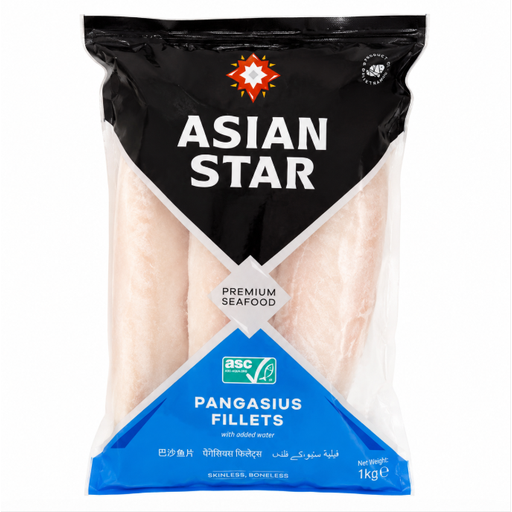
Asian Star White Pangasius Fillet, 1kg (800g net)
If pangasius fits your curry or stir-fry recipe, check the ingredients before adding your own seasoning. Compare the current pack's per-100g nutrition only after checking how its values are stated.
View on Joybuy
 No image available
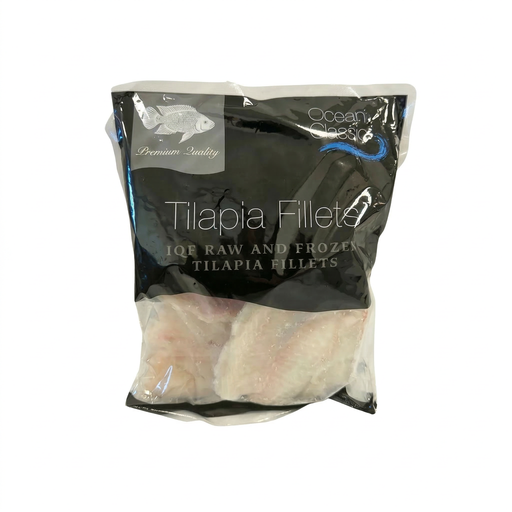
Ocean Classic Tilapia IQF Fillets, 1kg (800g net)
These tilapia fillets are an option to consider when choosing fish for your own seasoning. Check the current pack's ingredients, nutrition basis and cooking directions before settling on a preparation method.
View on Joybuy
 No image available
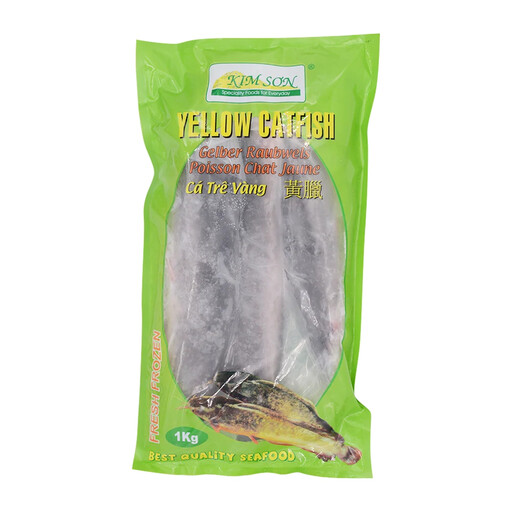
Kim Son Yellow Catfish, 1kg
Consider this catfish if it suits the cut and preparation your dish requires. Check the pack for its form, portioning, nutrition basis and cooking directions rather than assuming it can be used like a fillet.
View on Joybuy
 No image available
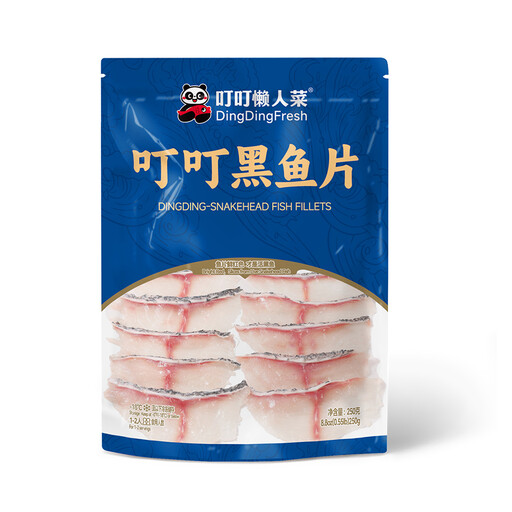
DingDingFresh Snakehead Fish Fillets, 250 g
Joybuy presents these fillets for Sichuan boiled fish, hot pot and stir-fry. Its product information lists 4g fat and 1.5g salt per 100g; check the current pack's seasoning, nutrition basis and cooking directions before using it in place of plain fish.
View on Joybuy
Frequently asked questions
Is plain frozen white fish a useful starting point for a lower-fat world-food meal?
Yes, if you want to choose the seasoning yourself. The NHS describes white fish as low in fat, while Tesco lists 0.6g fat per 100g for its cod fillets and Sainsbury's lists 1.2g per 100g for its oven-cooked basa fillets. Oil, butter or sauce can change the finished meal.
Can breaded or battered fish fit the meal?
Yes, when the coating suits the recipe, but do not assume it has the same fat content as a plain fillet. Sainsbury's lists 7.3g fat per 100g for Birds Eye Breaded Haddock and 9.3g per 100g for Young's Lemon & Herb Battered Basa on their stated preparation bases; check the current labels and allergens.
Should I choose oily fish or white fish when lower fat is the priority?
Plain white fish is a starting point for that particular aim: the NHS describes white fish as low in fat. If you are considering oily fish instead, compare the products' current per-100g labels and choose the species and preparation that suit your dish.
What should I check before cooking frozen fish?
Read the individual pack's allergen, bone, storage, thawing and cooking instructions. Coatings can add ingredients such as wheat, and occasional bones may remain even in fish described as boneless. Cook the fish as directed and follow any instruction not to refreeze it after thawing.


