Picnic planners comparing fat
If you are sharing pizza outdoors, comparing fat per 100g gives you a consistent starting point. The amount in your own portion matters too; a thin base or vegetable topping alone does not settle the comparison.


For a summer picnic, compare frozen pizzas by fat per 100g before choosing a portion: Tesco Groceries lists 6.5g for Tesco Finest Margherita, while Sainsbury's lists 6.9g for its Vegetable Pizza. Those figures are lower than the other two opened examples, but they do not make either pizza a regulated “low-fat” product. Check saturates and salt for the portion you plan to share, follow the pack's cooking instructions and keep cooked food cool if it would normally need refrigeration.
If you are sharing pizza outdoors, comparing fat per 100g gives you a consistent starting point. The amount in your own portion matters too; a thin base or vegetable topping alone does not settle the comparison.
A pizza can have less fat than another without qualifying for a “low-fat” claim. Check the exact wording on the pack as well as its nutrition panel.
Cooking before leaving home calls for a plan to carry and serve the pizza. Food Standards Agency and Food Standards Scotland picnic guidance addresses keeping foods cool when they would normally be refrigerated.
Start with the same weight basis across pizzas, then check what each person will actually eat and how the cooked food will be carried.
| Priority | What to check | Your needs |
|---|---|---|
| Total fat | Compare fat per 100g on the exact products' nutrition panels. Then check fat for the cooked portion you intend to serve. | I want a like-for-like comparison, rather than assuming a thin or vegetable pizza has less fat. |
| Label wording | Check whether the pack actually makes a “low-fat” or “reduced-fat” claim. Business Companion's UK food-labelling guidance permits a “low-fat” claim for solid food only at no more than 3g fat per 100g; a lower figure than another pizza is not itself that claim. | A comparatively lower number is useful to me, but I do not want to mistake it for a claim on the pack. |
| Sharing portion | Compare saturates and salt alongside total fat. Check whether the stated serving is half or a quarter of the pizza before using per-serving figures. | If fewer people share the pizza than the label's serving basis suggests, I need to look at the amount each person will eat. |
| Picnic handling | Follow the pack's cooking directions. If the cooked food would normally need refrigeration, plan how to keep it cool during transport and at the picnic, following the applicable food-safety guidance. | I may cook the pizza before leaving home, so I need a way to carry it and deal with any portions left over. |
Recipe descriptions do not establish a nutrition claim. Sainsbury's lists 11g fat per 100g for Dr. Oetker Ristorante Mozzarella, despite describing it as thin and crispy; its Vegetable Pizza is listed at 6.9g per 100g.
Read the fat-per-100g figure for the exact pizza and check any claim made on its pack.
The opened Tesco Finest Margherita and Sainsbury's Vegetable Pizza listings give half-pizza servings, while Tesco Groceries gives a quarter-pizza serving for Chicago Town Large Takeaway Pepperoni. Those portions are not equivalent.
Compare per 100g first, then use the stated serving information to assess the share you plan to eat.
Food Standards Agency picnic guidance for England, Northern Ireland and Wales says foods normally kept in the fridge need to stay cool at a picnic. Food Standards Scotland also gives time limits for ready-to-eat food taken from the fridge.
Follow the pizza's cooking instructions, use a cool box or cool bag with ice or frozen gel packs where chilling is needed, and return remaining portions promptly.
Sainsbury's lists 11g fat per 100g for Dr. Oetker Ristorante Mozzarella Pizza 335g, while the Joybuy listing for the same named pack lists 12.0g. The difference matters when comparing closely spaced figures.
Use the current nutrition panel on the pack you receive and check the listing for the product you intend to buy.
Tesco Finest Margherita provides one cheese-and-tomato reference for comparing declared nutrition.
Sainsbury's Vegetable Pizza is a vegetable-topped option with a stated half-pizza serving.
Ristorante Mozzarella is a thin-and-crispy branded option, but its nutrition figure needs checking on the specific listing or pack.
Large Takeaway Pepperoni offers a larger stuffed-crust format for sharing.
Goodfella's Margherita Stonebaked Thin 334g provides a stonebaked-thin option to assess by its own label.
These Joybuy pizza options include margherita, pepperoni and other styles for a summer picnic. Compare each exact pack's nutrition panel and cooking directions; the style name alone does not establish its fat content.
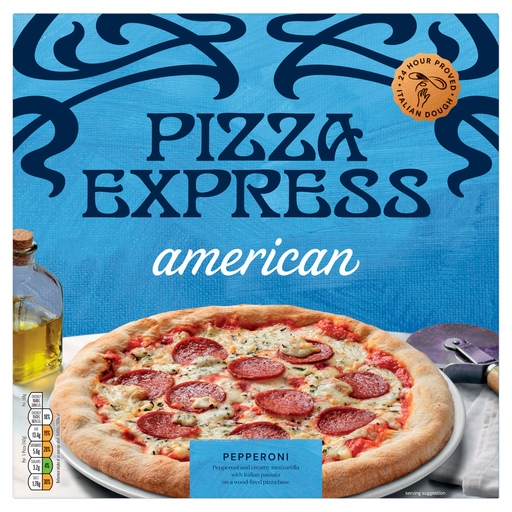 Image unavailable
For a shared picnic portion, compare the pack's fat per 100g with the amount each person will eat. Follow its cooking instructions before taking it outdoors.
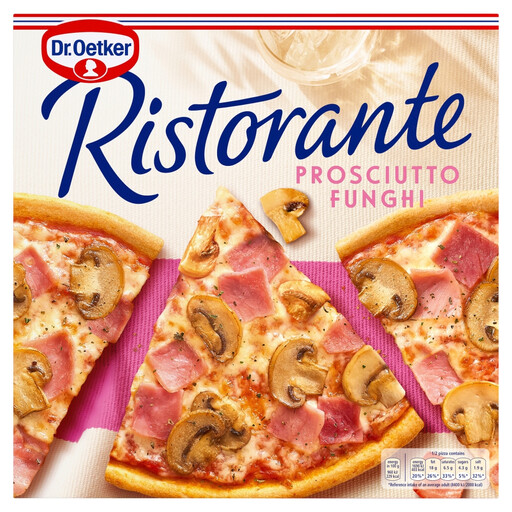 Image unavailable
Choose this Ristorante variant by its own nutrition panel rather than borrowing figures from the Mozzarella listing. Check fat, saturates and salt on the pack before deciding on a sharing portion.
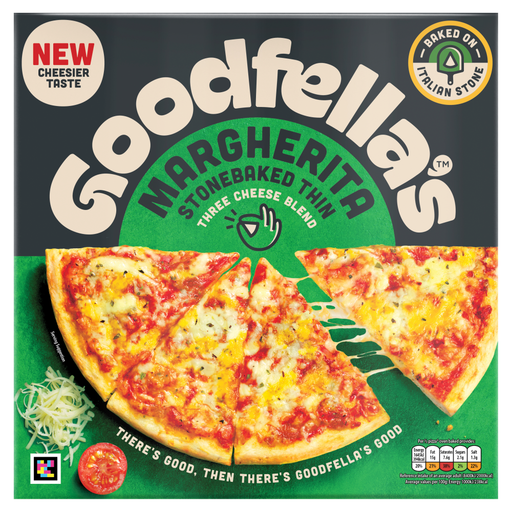 Image unavailable
Margherita and stonebaked thin describe this pizza's style, not a lower-fat claim. Compare the exact pack's fat per 100g and check its cooking directions before picnic preparation.
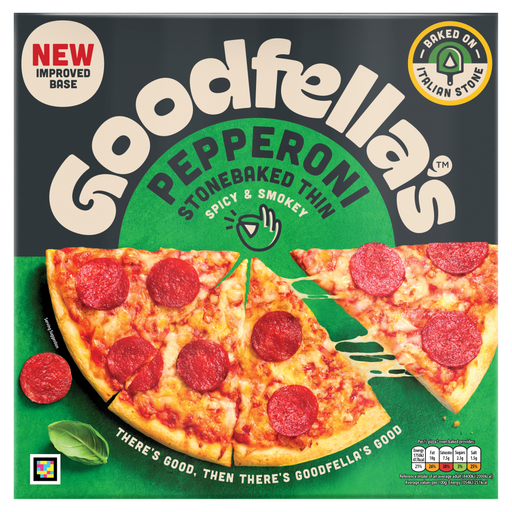 Image unavailable
If pepperoni is the preferred topping, compare this variant's own per-100g panel with the margherita options. Check the stated portion as well as total fat, saturates and salt.
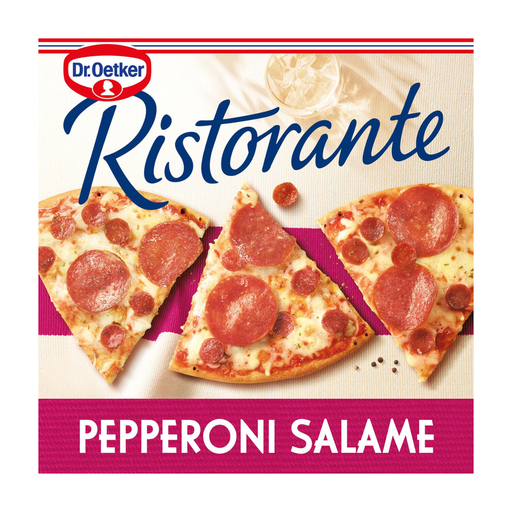 Image unavailable
For this Pepperoni Salame variant, use its own pack figures rather than assuming another Ristorante pizza has the same nutrition. Decide how much to share and follow the pack's cooking instructions.
No. Business Companion's UK food-labelling guidance says a solid food may make a “low-fat” claim only if it contains no more than 3g fat per 100g. The Tesco Finest Margherita and Sainsbury's Vegetable Pizza examples are comparatively lower in fat than the other opened examples, but their listed figures of 6.5g and 6.9g per 100g do not meet that threshold.
Use both: per 100g puts differently sized frozen pizzas on the same weight basis, while the portion figure helps you assess what you will eat. Tesco Groceries states a quarter-pizza serving for Chicago Town Large Takeaway Pepperoni, whereas the opened Tesco Finest Margherita and Sainsbury's Vegetable Pizza listings use half-pizza servings.
Yes, provided you follow that pizza's pack instructions and cook it thoroughly. If the cooked food would normally be refrigerated and will not be eaten immediately, follow the applicable Food Standards Agency or Food Standards Scotland picnic guidance for keeping it cool during transport and serving.
Keep food that would normally be refrigerated cool rather than planning to leave it out. For England, Northern Ireland and Wales, Food Standards Agency guidance warns that food may become unsafe after four hours or more at warm temperatures and advises using food that has been out of the fridge within two hours in extremely hot weather. Food Standards Scotland advises eating ready-to-eat foods within four hours of taking them from the fridge.