For a crunchy snack eaten straight from the pack, compare dry-roasted peanuts with other whole peanuts rather than assuming that dry-roasted means low fat: Marks & Spencer and Sainsbury's list 47.0 g and 47.4 g fat per 100 g for their reviewed dry-roasted products, against 51 g for KP Original Salted Peanuts. If lowering declared fat matters more than crunch, Tesco Marketplace lists PBfit peanut powder at 13 g per 100 g, but it needs preparing with food or drink. Check salt separately, especially on seasoned nuts.
Who might choose each format?
People who want whole-nut crunch
Dry-roasted peanuts keep the ready-to-eat format. The reviewed Marks & Spencer and Sainsbury's products declare around 47 g fat per 100 g, so they offer a modest difference from the reviewed KP Original Salted Peanuts, not a low-fat whole-nut snack.
Shoppers comparing salt
Roasting style alone will not settle this choice. Marks & Spencer lists 0.03 g salt per 100 g for its Roasted Peanuts, compared with 1.18 g for its Dry Roasted Peanuts; the reviewed Sainsbury's Dry Roasted Peanuts list 2.13 g.
People willing to prepare a peanut snack
Peanut powder offers a different format when declared fat takes priority over eating nuts by the handful. Tesco Marketplace lists PBfit Pure Peanut Powder at 13 g fat per 100 g, but powder does not provide whole-nut crunch.
What should you check before choosing?
Choose the eating format first, then compare nutrition figures per 100 g on the exact products you are considering. Fat and salt are separate comparisons.
| Priority |
What to check |
Your needs |
| Total fat |
Compare fat per 100 g between whole-peanut packs. Check whether a lower-fat peanut product is a powder rather than a ready-to-eat nut. |
I want to know whether a small difference between whole peanuts is enough for my choice, or whether I would use a prepared powder instead. |
| Salt |
Compare salt per 100 g independently of fat. Check the exact pack rather than treating dry-roasted or roasted as a salt description. |
If salt is my main concern, I would look at unsalted whole peanuts before choosing a seasoned pack for its roasting style. |
| Eating format |
Decide whether you want whole nuts that are ready to eat or peanut powder that needs preparing with food or drink. Check the pack format and serving instructions. |
A bowl of nuts suits eating during a session; I would choose powder only if preparing something beforehand works for me. |
| Ingredients and allergens |
Read the ingredient list and allergen or may-contain statement on the specific pack. Sainsbury's lists wheat gluten and barley gluten in its reviewed Dry Roasted Peanuts and warns customers allergic to other nuts. |
When an allergy or coeliac disease affects the choice, I need to check the actual product label, including seasonings and cross-contact warnings. |
| Portion |
Check the stated serving size alongside the per-100-g nutrition figures. For a large pack, decide how much to put in a bowl before play. |
With a sharing pack beside me, setting out a portion makes it easier to keep track of how much I have eaten. |
What is easy to overlook?
-
Assuming dry-roasted means low fat
Marks & Spencer and Sainsbury's list 47.0 g and 47.4 g fat per 100 g for the reviewed dry-roasted peanuts, compared with KP's 51 g for Original Salted Peanuts. That difference does not make the whole nuts low fat.
Compare fat and energy per 100 g on the packs. If a substantially different fat figure is the priority, consider whether a prepared peanut powder meets your snacking needs.
-
Choosing by roasting style without checking salt
The reviewed Sainsbury's Dry Roasted Peanuts list 2.13 g salt per 100 g, while Marks & Spencer lists 0.03 g for its Roasted Peanuts.
Start with the salt figure on each pack if salt matters more to you than the seasoning or roasting description.
-
Overlooking allergens in seasoned nuts
Sainsbury's lists peanuts, wheat gluten and barley gluten in its reviewed Dry Roasted Peanuts and states that they are not suitable for customers allergic to other nuts.
Check the ingredients and allergen statements on every product under consideration, including flavoured peanuts and mixed nuts.
-
Leaving a large pack open throughout a session
Repeated handfuls can make it difficult to keep track of the amount eaten.
Check the pack's serving information and put the portion you intend to eat into a bowl before playing.
Relevant brand references
These label examples illustrate choices between whole peanuts and peanut powder; figures belong to the named products, not every item from each brand.
M&S
The reviewed range includes dry-roasted and roasted whole peanuts with different fat and salt figures.
- Marks & Spencer lists 47.0 g fat and 1.18 g salt per 100 g for Dry Roasted Peanuts, versus 49.6 g fat and 0.03 g salt for Roasted Peanuts.
- The lower-salt example is not the lower-fat one. Read the current pack label before choosing.
Sainsbury's
Its reviewed Dry Roasted Peanuts are a whole-nut snack sold in a 900 g pack.
- Sainsbury's lists 47.4 g fat per 100 g for this product.
- The same label lists 2.13 g salt per 100 g, wheat gluten and barley gluten, and a warning for customers allergic to other nuts.
KP
The reviewed KP examples show why salted peanuts and a lightly salted nut mix need separate label comparisons.
- KP lists 1.3 g salt per 100 g for Original Salted Peanuts and 0.70 g for its Roasted With a Pinch of Salt mix.
- KP lists 51 g fat per 100 g for both examples; the mix's lower salt figure does not indicate lower total fat.
PBfit
PBfit Pure Peanut Powder is a peanut format for preparing food or drink rather than eating whole nuts from a pack.
- The reviewed Tesco Marketplace listing declares 13 g fat per 100 g and describes roasted peanuts pressed to remove most of their fat.
- Powder needs preparation and does not provide the crunch of whole peanuts. It still contains peanuts.
Joybuy snack options
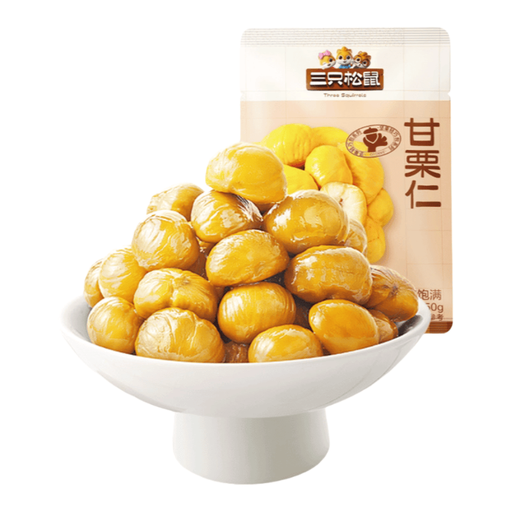
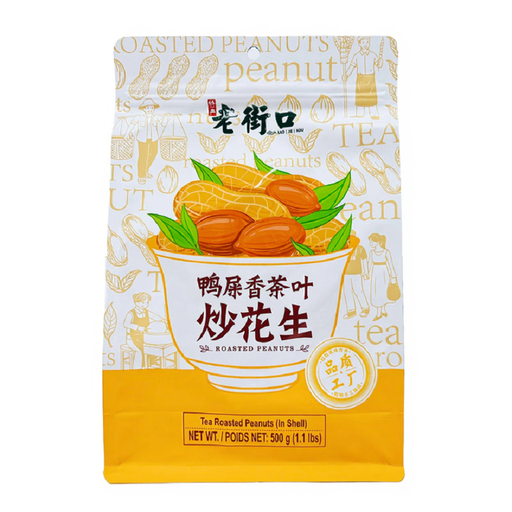
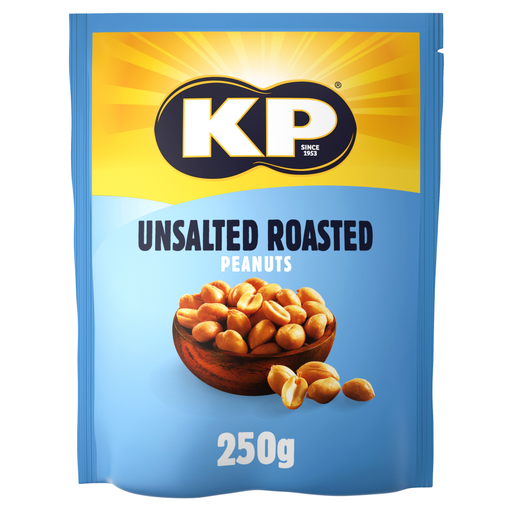
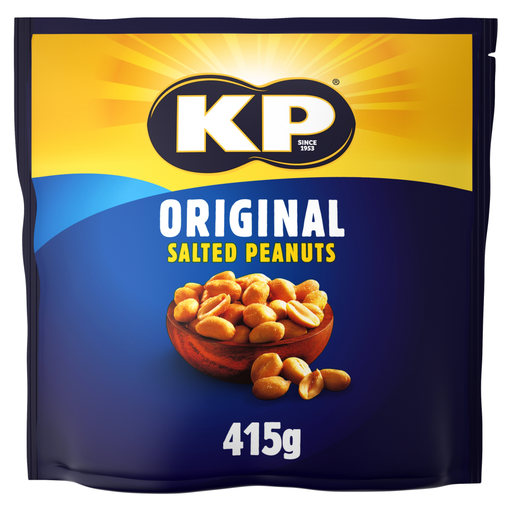
These Joybuy options include ready-to-eat chestnut kernels and several whole-peanut snacks. Chestnuts offer a different texture; for the peanuts, use each pack's fat, salt and ingredient information to decide whether it fits your priority.
 No image available
Three Squirrels Light Pack Sweet Chestnut Kernels 50 g
A 50 g pack of chestnut kernels for a snack during play; expect a softer texture than whole peanuts rather than the same crunch.
View on Joybuy
 No image available
Laojiekou Yashi Xiang Tea-Infused Roasted Peanuts 500 g
Tea-infused roasted peanuts in a 500 g pack for someone who wants a flavoured whole-peanut snack. Check the pack's fat and salt figures rather than relying on the roasting description.
View on Joybuy
 No image available
KP Snacks Unsalted Roasted Peanuts 250 g
Unsalted roasted whole peanuts in a 250 g pack for shoppers comparing salt while keeping a conventional peanut snack. Check total fat separately if that is also a priority.
View on Joybuy
 No image available
KP Snacks Original Salted Peanuts 415 g
Salted whole peanuts in a 415 g pack for someone choosing familiar peanut flavour and crunch. Compare the current pack's fat, salt and allergen information with any reduction-focused alternative.
View on Joybuy
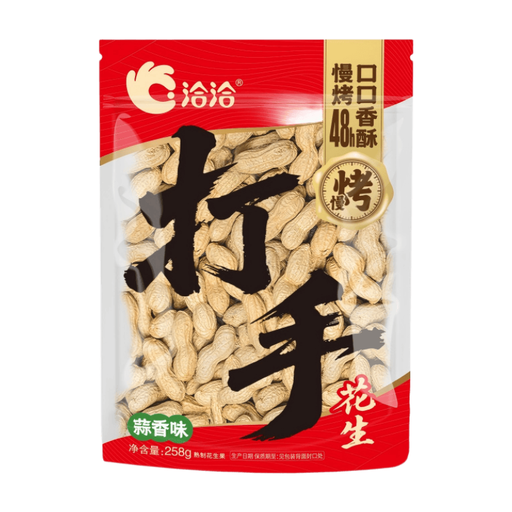 No image available
ChaCha Slow Roasted Peanuts, Garlic Flavour, 258 g
Garlic-flavoured roasted peanuts in a 258 g pack for a savoury whole-peanut snack. Check the seasoning ingredients, salt and total fat on the pack before choosing them for a reduction-focused snack.
View on Joybuy
Questions about nut-based gaming snacks
Are dry-roasted peanuts lower in fat?
The reviewed dry-roasted whole peanuts have modestly less declared fat than the reviewed KP Original Salted Peanuts: Marks & Spencer lists 47.0 g and Sainsbury's 47.4 g per 100 g, compared with KP's 51 g. Dry roasting alone is not a guarantee of a low-fat snack, so compare the exact labels.
How does peanut powder change the choice?
Peanut powder changes both the fat comparison and the way you eat the snack. Tesco Marketplace lists PBfit Pure Peanut Powder at 13 g fat per 100 g, but it needs preparing with food or drink and will not replace the crunch of whole peanuts.
How can I compare salt in peanut snacks?
Use the salt figure per 100 g on each pack, then consider how much you plan to eat. Marks & Spencer lists 0.03 g salt per 100 g for its Roasted Peanuts and 1.18 g for its Dry Roasted Peanuts; the reviewed Sainsbury's Dry Roasted Peanuts list 2.13 g.
What allergen information should I check?
Read the ingredients and allergen or may-contain statement on the exact pack, including for seasoned and mixed nuts. The reviewed Sainsbury's Dry Roasted Peanuts contain wheat gluten and barley gluten as well as peanuts, and carry a warning for customers allergic to other nuts.
Are whole peanuts suitable for young children?
Follow the warning on the specific pack. Marks & Spencer states that its reviewed Dry Roasted Peanuts are not suitable for children under 36 months because of a potential choking hazard.


