Travellers watching salt
If you want a savoury snack without choosing salted nuts, compare the salt figures on unsalted peanut and mixed-nut packs. The NHS suggests unsalted nuts as an alternative to salted nuts.


Compare fat, salt and energy per 100g before choosing nuts for a road trip; neither “dry roasted” nor “unsalted” tells you all three. In the packs listed by Sainsbury’s, KP Dry Roasted Peanuts have less fat per 100g than KP Unsalted Roasted Peanuts (48g versus 51g), but more salt (1.6g versus less than 0.5g). If salt matters more than that difference in fat, the unsalted pack is the more relevant choice; whichever you take, decide on a portion before setting off.
If you want a savoury snack without choosing salted nuts, compare the salt figures on unsalted peanut and mixed-nut packs. The NHS suggests unsalted nuts as an alternative to salted nuts.
If you would rather not eat straight from a sharing bag throughout the drive, set aside a portion before leaving. The British Heart Foundation describes a small handful as about 30g and notes that 30g of nuts can contain roughly 180–225kcal, depending on the type.
If fat is your main comparison, use the nutrition panel rather than the roasting description. Among three packs listed by Sainsbury’s, KP Dry Roasted Peanuts have the lowest stated fat figure at 48g per 100g, alongside 1.6g salt per 100g.
Start with like-for-like figures per 100g, then use the serving information to decide how much to take in the car.
| Priority | What to check | Your needs |
|---|---|---|
| Fat and energy | Compare fat and energy per 100g, then check the stated serving size. Sainsbury’s lists 48g fat per 100g for KP Dry Roasted Peanuts, 51g for KP Unsalted Roasted Peanuts and 59.7g for its Unsalted Mixed Nuts. | I want to compare packs on the same basis, rather than assume that “roasted” or “unsalted” means less fat. |
| Salt and ingredients | Read salt per 100g alongside fat, and check the ingredient list for seasoning. Sainsbury’s lists 1.6g salt per 100g for KP Dry Roasted Peanuts and less than 0.5g for KP Unsalted Roasted Peanuts. | Lower salt matters more to me than the difference in fat between these two KP packs. |
| Portion | Check the pack’s serving weight and energy figure. The British Heart Foundation says 30g of nuts can contain roughly 180–225kcal, depending on the type. | I would like to pack a defined amount instead of grazing from a larger bag during the journey. |
| Allergens | Read the exact pack’s ingredients and allergy advice. The Food Standards Agency distinguishes peanuts from tree nuts; Sainsbury’s Unsalted Mixed Nuts contain both peanuts and several tree nuts. | If someone travelling with me has a relevant allergy, I need to check the particular product before bringing it into the car. |
Of the two KP peanut packs listed by Sainsbury’s, the dry-roasted one has less fat per 100g but more salt, and its ingredients include a seasoning blend.
Compare both figures per 100g before deciding which difference matters to you.
Sainsbury’s Unsalted Mixed Nuts list less than 0.01g salt per 100g, alongside 660kcal and 59.7g fat per 100g.
Check the serving information and put the amount you intend to eat in a separate container before the trip.
A mixed pack may contain both peanuts and tree nuts, which the Food Standards Agency identifies as distinct allergen categories.
Check the ingredients and allergy advice on the exact pack, particularly when buying for somebody else.
KP’s unsalted roasted and dry-roasted peanut packs offer a direct comparison of fat and salt figures in listings from Sainsbury’s.
Sainsbury’s Unsalted Mixed Nuts are an option when a mix of nut types matters more than the lowest fat figure in this comparison.
M&S lists natural nuts as well as roasted and flavoured varieties, so the product format needs checking before purchase.
These options span roasted peanuts, chestnuts and chopped mixed nuts for the journey. Chestnuts are a different snack from roasted peanuts, so compare the nutrition panels of the particular packs rather than treating their names as equivalent.
 No image available
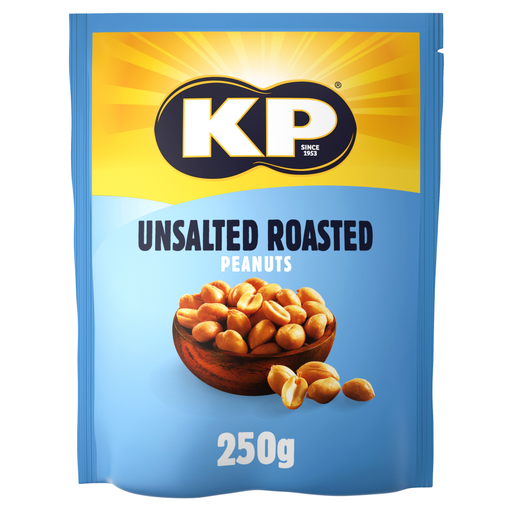
An unsalted roasted peanut option for a road trip. The corresponding KP pack listed by Sainsbury’s states 51g fat and less than 0.5g salt per 100g; check the pack’s serving information when deciding how much to take.
 No image available
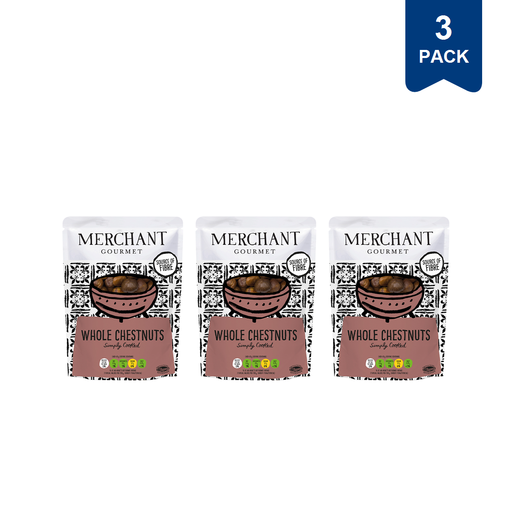
A three-pack chestnut option if you would rather take separate packs than a bag of roasted nuts. Check its nutrition and storage instructions against the peanut packs you are considering.
 No image available
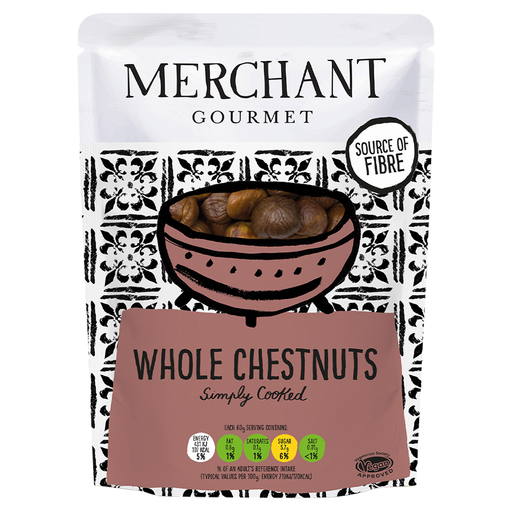
A single 180g chestnut pack rather than the three-pack listing above. If fat is your deciding factor, compare its per-100g nutrition panel with those of the roasted nut packs.
 No image available
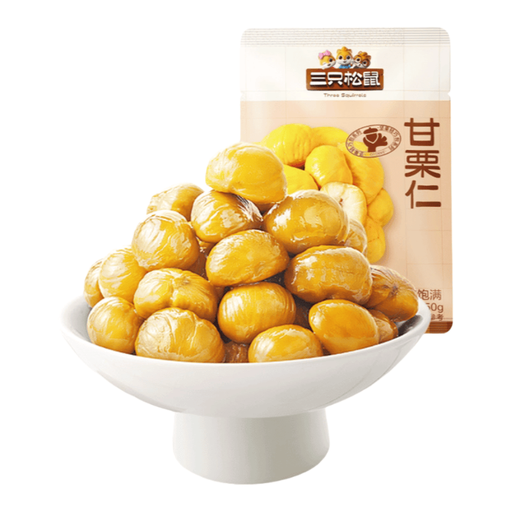
The 50 g pack gives you a defined amount of sweet chestnut kernels to take along. Check its ingredient, nutrition and allergy information if you are comparing it with plain nuts.
 No image available
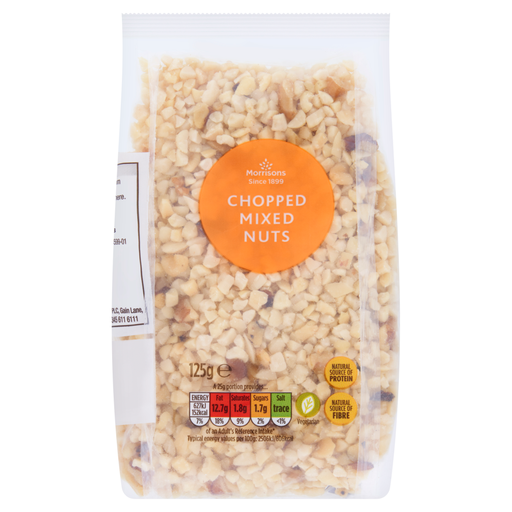
A chopped mixed-nut option if you want a mixture rather than peanuts alone. The chopped format may be less convenient to eat directly from the pack in a car; check the exact ingredients and allergy advice before sharing.
No: a comparison with another product does not tell you the pack’s fat content on its own. Read fat per 100g and the serving information on each pack you are choosing between, alongside energy and salt.
KP Dry Roasted Peanuts have the lower listed fat figure in Sainsbury’s product information: 48g per 100g versus 51g for KP Unsalted Roasted Peanuts. The dry-roasted pack also lists more salt, at 1.6g versus less than 0.5g per 100g, so the choice changes if salt is your priority.
Check the serving weight on your chosen pack and set aside the amount you intend to take before travelling. The British Heart Foundation describes a small handful as about 30g and says that, depending on the nut type, 30g can contain roughly 180–225kcal.
Do not judge suitability from “mixed nuts” on the front of the pack. Sainsbury’s Unsalted Mixed Nuts explicitly contain peanuts as well as tree nuts; check the exact product’s ingredients and allergy advice, and follow the person’s own allergy guidance when choosing food for them.