Commuters tracking fat intake
If breakfast has to fit in a bag as well as a chosen fat or saturates allowance, the figures for the exact bar matter more than its protein or sugar claims.


For a lower-fat grab-and-go breakfast, compare total fat and saturates on the nutrition panel for the exact flavour and bar size; a high-protein or low-sugar claim does not answer that question. Then check the protein, energy and ingredients against what else you plan to eat. A bar can be a convenient breakfast component, but it need not be the whole meal: the NHS Eatwell Guide considers dietary balance over a day or week.
If breakfast has to fit in a bag as well as a chosen fat or saturates allowance, the figures for the exact bar matter more than its protein or sugar claims.
A bar can cover an unexpected morning gap. Decide whether you want a snack or a more substantial breakfast before choosing what, if anything, to eat alongside it.
If you choose vegan food or avoid particular allergens, check each flavour’s ingredients and allergen information rather than relying on the range name.
Start with the serving you would actually eat, then decide whether the bar’s other details suit its role in your morning.
| Priority | What to check | Your needs |
|---|---|---|
| Fat and saturates | Compare both figures per bar for the exact flavour. Check bar sizes before comparing two products. | I’m keeping track of fat at breakfast, so I need the amount in the whole bar I’ll eat—not an assumption based on a low-sugar claim. |
| Protein and energy | Read protein and energy per bar separately from fat. Decide whether the portion is intended as a snack or part of breakfast. | A portable source of protein would help on a rushed morning, but I still want to know what the full bar contributes. |
| Breakfast role | Consider what else you will eat across the morning and day. The NHS Eatwell Guide looks at balance over a day or week, not at making every meal identical. | If a bar is my breakfast backup, I may also want fruit or a suitable wholegrain food when it’s practical. |
| Ingredients | Read the exact pack’s ingredients, emphasised allergens and any sweetener warnings. Check again when choosing a different flavour. | I need a bar that fits my ingredient restrictions; a vegan label alone does not tell me whether it contains wheat or soya. |
Those claims describe different parts of a bar’s nutrition. Barebells UK, for example, lists 8.8g fat and 3.6g saturates per 55g Hazelnut Nougat bar, and 9.0g fat and 4.1g saturates per 55g Vegan Fudge Brownie bar.
Compare total fat and saturates for the exact flavour and serving size before deciding whether either bar fits your own target.
Convenience and protein do not, by themselves, tell you how a bar fits into the variety of foods you eat. The NHS Eatwell Guide considers dietary balance over a day or week.
Use a bar as a practical backup or breakfast component, and consider another suitable food when you need a more substantial meal.
Barebells UK lists wheat and soya in its Vegan Fudge Brownie bar. Dietary suitability depends on the exact product, not just its vegan description.
Read the ingredients and allergen information on the pack you buy. The Food Standards Agency says allergens present in a prepacked food must be emphasised in its ingredients list.
These ranges offer different starting points for checking labels; a brand’s protein or sugar positioning does not establish that a particular flavour is lower in fat.
Myprotein UK has a category devoted to low-fat protein bars as well as a wider bar range.
PhD positions Smart Bar as a portable, high-protein, low-sugar snack.
Barebells UK publishes nutrition details for individual original and vegan bar flavours.
Grenade UK offers Carb Killa and Soft Core protein-bar ranges and describes its bars as high in protein and low in sugar.
Quest Nutrition’s own site positions its bars around protein and low sugar.
Tesco is a UK grocery retailer with a protein-bar browse category that includes different brands and styles.
These Grenade and PhD bars are options for a portable morning snack or breakfast component. Check the exact pack’s fat, saturates and ingredients before choosing one for a lower-fat breakfast.
 No image available
For a breakfast bar to take with you, compare the Double Chocolate flavour’s fat and saturates per 50g bar. This pack contains 12 bars.
 No image available
This 12-pack of 50g bars offers another flavour for a morning on the move. Check Golden Caramel’s own nutrition and ingredients rather than applying figures from another Soft Core flavour.
 No image available
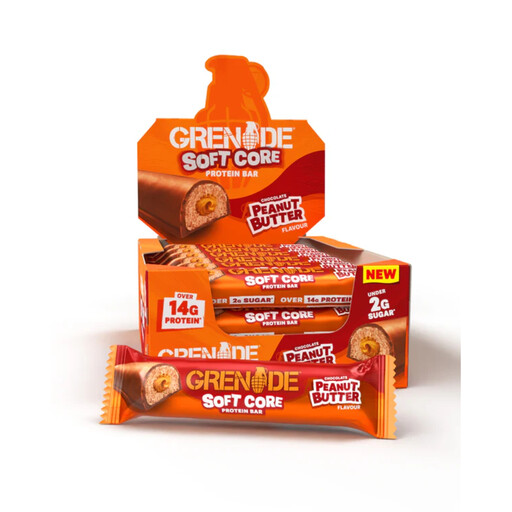
If Peanut Butter is the flavour you would take for breakfast, check its exact pack for fat, saturates and allergens. The listed bundle contains 12 × 50g bars.
 No image available
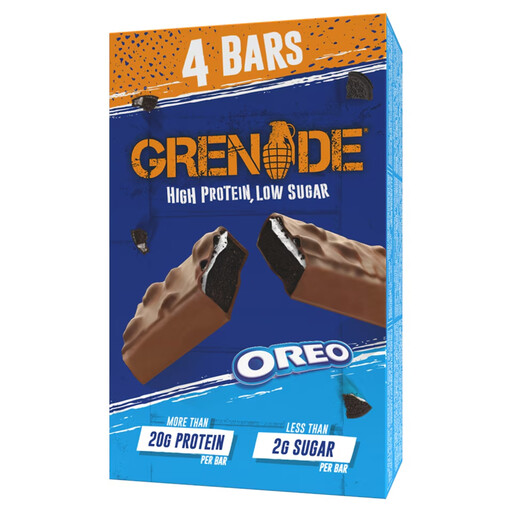
The 60g bar size differs from the 50g Soft Core options, so compare both per-bar figures and serving sizes for a quick breakfast. This bundle contains four bars; check the exact pack’s fat and allergen information.
 No image available
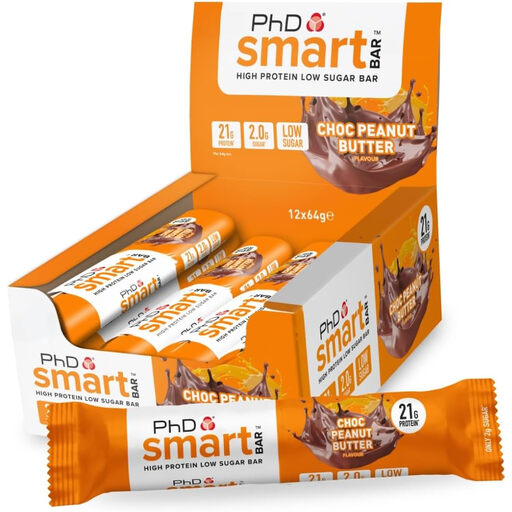
For a portable breakfast component, assess this Chocolate Peanut Butter flavour on its own 64g serving. The bundle contains 12 bars; check the pack’s fat, saturates and ingredients independently of the Smart Bar range’s protein and sugar claims.
No. Sugar and fat are separate nutrition figures, so check total fat and saturates for the exact bar. Barebells UK lists 8.8g fat per 55g Hazelnut Nougat bar and 9.0g per 55g Vegan Fudge Brownie bar; choose against your own requirement rather than the sugar wording.
It can be a convenient backup or one part of breakfast, but the bar alone does not establish how varied your food choices are. The NHS Eatwell Guide considers dietary balance over a day or week; add another suitable food, such as fruit or a wholegrain option, when you want a more substantial meal.
Check the ingredients and allergen information on the exact pack, including when you change flavours. Barebells UK lists wheat and soya in its Vegan Fudge Brownie bar, and the Food Standards Agency says allergens present in prepacked food must be emphasised in the ingredients list.
Yes, if sweeteners affect which bars you choose. Read the exact product’s ingredient list and any on-pack consumption warning, particularly if you expect to eat the bar regularly.