Mid-morning snackers comparing fat
If a bar needs to fit between breakfast and lunch, compare its fat and saturates rather than treating a high-protein or low-sugar claim as an answer to the fat question.


For a mid-morning protein bar, compare total fat and saturates per 100g, then check what the whole bar contributes alongside its protein and other nutrition values. A reduced-fat claim compares products; it does not mean the bar meets the NHS low-fat threshold of 3g fat or less per 100g. Low-sugar or no-added-sugar wording does not tell you its fat content.
If a bar needs to fit between breakfast and lunch, compare its fat and saturates rather than treating a high-protein or low-sugar claim as an answer to the fat question.
Bar weights and protein amounts differ. For example, Tesco Groceries lists 12g protein in a 44g TREK bar, while PhD lists 21g in a 64g Chocolate Peanut Butter Smart Bar. Compare the whole portions as well as the protein figures.
Flavour-specific allergen statements matter when choosing a bar. The checked product information includes milk, soya and peanut ingredients or precautions, while some bars carry warnings about excessive consumption of sweeteners.
Start with per-100g values to compare bars of different sizes, then use per-bar values to judge the portion you would eat.
| Priority | What to check | Your needs |
|---|---|---|
| Fat and saturates | Compare both values per 100g, then per whole bar. NHS guidance describes more than 17.5g total fat or more than 5g saturates per 100g as high. | I want to compare bars fairly without overlooking what I would eat in one serving. In a Food Standards Agency and Ipsos Northern Ireland survey of 611 food shoppers interviewed from September to November 2024, approximately 49% said they actively used traffic-light labels when shopping for food; that figure is not specific to protein bars. |
| Fat claims | Check the nutrition panel even when a pack says reduced fat, low sugar or no added sugar. For solid foods, the NHS low-fat threshold is 3g total fat or less per 100g. | If reducing fat is my aim, I need the fat figure itself, not a claim about a different nutrient. Where a reduced-fat comparison is given, I also want to know which similar product it uses. |
| Protein and portion | Read protein, energy and fat per bar alongside its weight. For example, Tesco Groceries lists 12g protein and 7.2g fat for a 44g TREK Choc Caramel bar; PhD lists 21g protein and 8.6g fat for its 64g Chocolate Peanut Butter Smart Bar. | A smaller bar may be enough for my break; on another day, the amount of protein in the whole bar may matter more. I can compare those choices without assuming either bar is low fat. |
| Ingredients | Check the exact flavour’s ingredients, allergen and ‘may contain’ statements, plus any sweetener warnings. Recheck the pack when buying a multipack. | I need a flavour that fits my ingredient requirements, and I want to see any warning that applies to repeated or excessive consumption. |
Low sugar and no added sugar describe sugar, not total fat. Tesco Groceries lists 9.1g fat in a 55g Barebells Caramel Choco bar and 9.3g in a 60g Grenade Chocolate Chip Salted Caramel bar, despite their differing sugar-related descriptions.
Read total fat and saturates per 100g first, then check the amounts per bar. Use the same approach when a pack makes a reduced-fat comparison.
A larger protein figure does not settle the portion decision. Tesco Groceries lists 12g protein and 7.2g fat for the 44g TREK Choc Caramel bar; PhD lists 21g protein and 8.6g fat for its 64g Chocolate Peanut Butter Smart Bar.
Compare weight, protein, fat, saturates and energy for the whole bar, as well as the per-100g fat figures.
PhD says nutrition varies by flavour. Checked bar information also includes differing allergen statements and warnings that excessive consumption may have laxative effects.
Check the exact flavour and pack for ingredients, precautionary allergen statements and warnings before buying.
These examples show why the exact bar and flavour matter more than a brand-wide description.
Tesco Groceries lists the 60g Carb Killa Chocolate Chip Salted Caramel bar with 21g protein and 1.3g sugars.
PhD presents its Smart Bar as a between-meals protein snack.
Barebells describes its bars as having no added sugar; Tesco Groceries lists the 55g Caramel Choco Soft Protein Bar with 16g protein.
Myprotein lists 30g protein and 23g carbohydrates per High-Protein Bar.
Quest Nutrition’s US listing for its 60g Chocolate Peanut Butter Protein Bar states 20g protein and 9g fat.
Tesco Groceries lists individual protein-bar flavours with pack and nutrition information that can be used for specific comparisons.
These multipacks offer different flavours and bar sizes for a mid-morning snack. Check the chosen flavour’s current nutrition panel—particularly fat and saturates per 100g and per bar—before deciding whether it fits your priorities.
 No image available
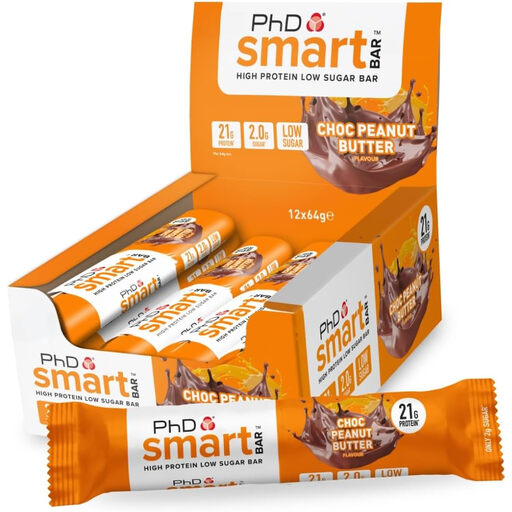
For a mid-morning portion where protein amount matters, PhD lists 21g protein, 8.6g fat and 3.3g saturates for a 64g Chocolate Peanut Butter Smart Bar. Check the current flavour label and its warning about excessive consumption.
 No image available
The 50g bar size gives you a defined portion to compare for a mid-morning snack. Check Double Chocolate’s current per-100g and per-bar fat and saturates before choosing the multipack.
 No image available
This is another 50g-bar multipack for comparing a whole mid-morning portion. Use Golden Caramel’s own nutrition and ingredient label rather than figures for another Grenade flavour.
 No image available
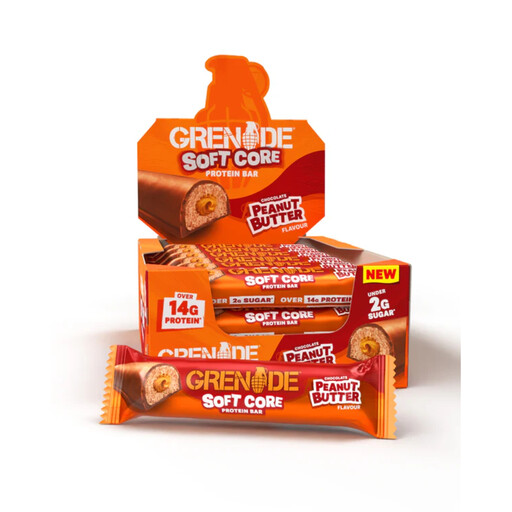
If you are considering the Peanut Butter flavour for a mid-morning snack, compare its 50g portion with other bars using the current fat, saturates and protein panel. Check its ingredient and allergen statements carefully.
 No image available
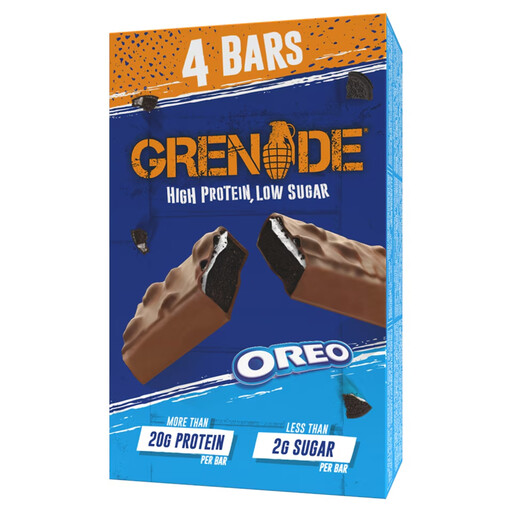
This pack contains four 60g bars. For a fat-focused mid-morning choice, compare the Oreo flavour’s own total fat and saturates per 100g and per bar; the low-sugar wording does not answer that question.
No. Reduced fat describes a comparison with a similar product, whereas the NHS low-fat threshold for solid foods is 3g fat or less per 100g. Check what the pack compares and read its per-100g total fat figure.
Compare total fat and saturates per 100g, then check both amounts for the whole bar you intend to eat. Bar weight, protein and energy help put that portion in context. NHS guidance describes more than 17.5g total fat or more than 5g saturates per 100g as high.
Not necessarily. Tesco Groceries lists 16g fat per 100g for Grenade Carb Killa Chocolate Chip Salted Caramel and 17g per 100g for Barebells Caramel Choco, whose product descriptions emphasise low sugar and no added sugar respectively. Compare fat separately from sugar wording.
Check the exact flavour’s ingredient list and any ‘may contain’ statement, then read the pack when it arrives. GOV.UK explains that regulated allergens used as ingredients in prepacked food must be clearly labelled; the checked bar examples include milk, soya, peanuts or nuts in their ingredient or precautionary information.
Check the whole-bar nutrition, ingredients and any consumption warning for that exact flavour rather than relying on its protein figure alone. PhD and the Tesco listing for Barebells Caramel Choco warn that excessive consumption may have laxative effects.