What should you check before choosing?
Start with the time since your last meal and the number of bars you plan to eat. Then compare carbohydrate, fat and ingredients for that portion—not just the description on the front of the pack.
| Priority | What to check | Your needs |
|---|
| Timing and portion |
Check when you last ate, whether the stated serving is one bar or two, and whether you have tried that portion before running. The UK Sports Institute says many runners eat one to three hours beforehand. |
“I want a small snack before setting off” is a different need from “I missed a meal.” One small bar need not answer both. |
| Carbohydrate |
Read the grams for the portion you would eat. Weetabix Cereals lists 11.4g per 19g Alpen Light Summer Fruit bar; Nature Valley lists 27.0g per two-bar, 42g Crunchy Variety portion. Those figures describe different portion sizes. |
If I want more than a small snack, I need to check what my planned portion provides rather than assuming every cereal bar is equivalent. |
| Fat |
Compare grams per planned portion alongside carbohydrate. Weetabix Cereals lists 0.8g fat for the Alpen bar, while Nature Valley lists 7.6g for its two-bar Crunchy portion. Neither figure alone establishes a formal “reduced fat” claim. |
When I eat close to a run, I would rather check the actual fat amount than take “light”, “oat” or “protein” as an answer. |
| Ingredients |
Read the exact flavour’s ingredient list, allergen information and any vegan, gluten-free or dairy-free statement. Check the current pack even if you have bought another variant from the range. |
A bar may meet my portion preference but still conflict with an ingredient or allergen requirement. |
| Pack claims |
Compare the nutrition table per serving and, where useful, per 100g. A protein, fibre, wholegrain or no-added-sugar description does not state the bar’s total fat and carbohydrate. |
I want to know what the bar I will eat contains, rather than choose on the strength of one claim on the wrapper. |
Brand ranges worth comparing
These ranges offer different bar formats; a brand name alone does not establish the fat, carbohydrate or allergen details of a particular flavour.
Alpen
Alpen Light includes a small cereal-bar format. Weetabix Cereals lists 0.8g fat and 11.4g carbohydrate per 19g Summer Fruit bar.
- The named Summer Fruit bar gives a concrete per-bar comparison for a small snack.
- That carbohydrate amount does not make one bar a meal replacement. The named variant contains cereals, milk and soya; check its current allergen information.
Nature Valley
Nature Valley sells oat-based Crunchy bars as well as protein-led formats. Its Crunchy Variety nutrition panel gives figures for a two-bar portion.
- The Crunchy Variety two-bar portion lists 27.0g carbohydrate, according to Nature Valley.
- The same portion lists 7.6g fat; an oat-based description does not establish a lower-fat choice.
nākd.
nākd. makes fruit-and-nut bars and protein variants. Check each product’s dietary statements and ingredients rather than extending range claims to every flavour.
- A fruit-and-nut format offers a different ingredient choice from a cereal bar.
- Tesco lists 9.5g fat and 15g carbohydrate per 45g nākd. Peanut Butter Protein bar, making its portion worth comparing with a smaller cereal bar.
TREK
TREK’s range includes plant-protein bars and Protein Flapjacks; TREK states that its Protein Flapjacks provide 9g plant protein per bar.
- The range gives shoppers seeking a plant-protein format a specific type of bar to inspect.
- Protein content does not establish that a flapjack is lower in fat. Compare the exact pack’s fat, carbohydrate and allergen information.
Eat Natural
Eat Natural’s UK range includes fruit-and-nut and other bar formats, including products with peanuts or almonds.
- The different formats allow a comparison of ingredients and serving sizes.
- Check nutrition and allergens for the chosen variant before treating it as a lower-fat pre-run snack.
Graze
Graze offers snacks using ingredients such as wholegrains, fruit and nuts, including Oat Boost flapjacks.
- Its formats give shoppers different ingredients and portions to compare.
- Graze’s statement about reducing saturated fat in its Oat Boost flapjacks does not specify the total fat or carbohydrate in a particular current flavour. Read that pack’s nutrition table.
Snack-bar options on Joybuy
These options include small cereal bars and larger cereal or oat-bar portions to compare for a 5k routine. Their pack sizes are identifiable, but use each current nutrition label to decide whether its fat and carbohydrate suit the portion you plan to eat.
 No image available
Special K Red Berry Cereal Bar, 6 × 21.5g
The 21.5g bar size is a starting point if you want a small pre-run snack. Check the current per-bar carbohydrate and fat, and read the ingredients if you need to avoid allergens; do not count a small bar as a replacement for a missed meal without considering the rest of your food.
 No image available
Special K Dark Chocolate Snack, 6 × 21.5g
This is another 21.5g-bar option for someone considering a small portion before a run. Compare its own per-bar carbohydrate and fat with the Red Berry variant rather than assuming the flavours have identical nutrition or ingredients.
 No image available
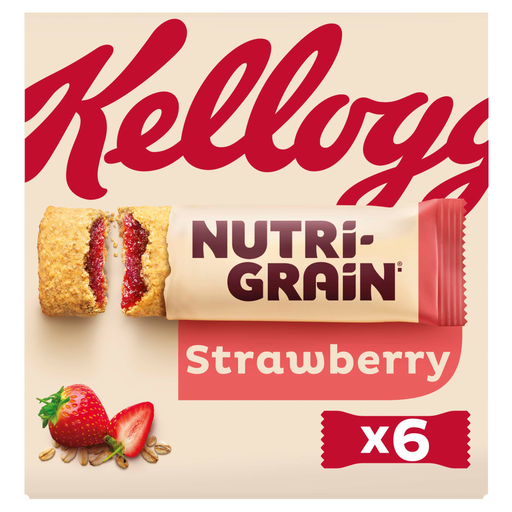
Kellogg’s Strawberry Nutri Grain Bars, six-pack, 222g
Consider this pack if you are comparing a larger bar portion with the smaller cereal-bar packs. Check the stated serving and its carbohydrate and fat before deciding how many bars fit your usual pre-run routine; check the current allergen statement too.
 No image available
Cadbury Brunch Light Orange Cereal Bar, four-pack, 104g
“Light” is part of this bar’s name, not a substitute for checking its nutrition. The four-pack weighs 104g; check the current serving size and label when comparing carbohydrate and fat with other bars, and read the allergen information for this flavour.
 No image available
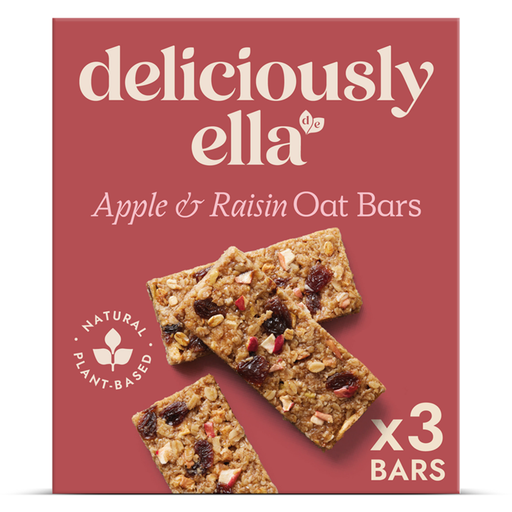
Deliciously Ella Apple, Raisin & Cinnamon Oat Bars, 3 × 50g
Each stated 50g oat bar is larger than the small cereal bars above. Compare the exact bar’s carbohydrate and fat if portion size or minimal fat matters before your 5k, and check the current ingredients and precautionary allergen statement against your requirements.
Questions about bars before a 5k
Do I need a snack bar before a 5k?
Not necessarily. Consider when you last ate, whether you are hungry and what has worked in your running routine. The UK Sports Institute cautions against fuelling a short run as though it were a marathon; a bar is an option, not an automatic requirement.
What should I check if I eat a bar 60–90 minutes before running?
Check carbohydrate, fat and the portion you intend to eat, then choose a flavour and timing you have tried before. University College London Hospitals NHS Foundation Trust advises that an exercise snack in this window include carbohydrate and protein with minimal fat when you have not eaten a meal two to three hours beforehand.
Does “light” on a wrapper tell me how much fat a bar contains?
No. Read the exact product’s fat figure and stated serving size; a small bar can contain little fat per bar simply because the portion is small. Check the pack’s specific wording rather than treating “light” and “reduced fat” as interchangeable.
Is a protein bar necessarily a lower-fat pre-run option?
No. Protein and fat are separate figures to check. Tesco lists 9.5g fat and 15g carbohydrate per 45g nākd. Peanut Butter Protein bar, so compare the nutrition for the portion you would eat instead of choosing on protein content alone.
How do I check whether a bar meets my ingredient requirements?
Read the current ingredient list and any precautionary allergen statement on the exact flavour. Check any vegan, gluten-free or dairy-free statement on that product too; another bar from the same brand may use different ingredients.


