Who is this decision for?
The useful starting point is whether low fat is a firm requirement, or one consideration alongside the type of snack and its ingredients.
Shoppers specifically limiting fat
If you want a snack before exercise and need it to be low fat, compare total fat per 100g with the NHS guide of 3g or less. Then check the amount in the portion you plan to eat. A protein, oat or no-added-sugar description does not answer that question.
People weighing carbohydrates against protein
The British Dietetic Association identifies carbohydrate as the main fuel source for exercising muscles and advises a low-fat, high-carbohydrate snack or light meal two to three hours before exercise. If you prefer a protein bar, check its carbohydrate and fat values too, rather than choosing from the protein figure alone.
Shoppers checking dietary suitability
Vegan or gluten-free wording cannot stand in for the full ingredient and allergen statement. Check the current pack for the exact flavour, particularly if peanuts, tree nuts, soy or milk matter to you. The Food Standards Agency explains that precautionary allergen wording signals possible unintended presence.
What should you check first?
Start with fat per 100g to compare different-sized snacks on the same basis. Then use the per-portion figures, timing and ingredient list to decide whether the particular product fits.
| Priority |
What to check |
Your needs |
| Total fat |
Read total fat per 100g, then fat in the bar or portion. The NHS guide calls a food low fat at 3g or less per 100g; a smaller portion does not change its per-100g classification. |
I want to distinguish a genuinely low-fat snack from a bar that merely has less fat than another bar. |
| Timing and carbohydrates |
Check carbohydrate per portion and when you intend to eat. The British Dietetic Association advises a low-fat, high-carbohydrate snack or light meal two to three hours before exercise. |
If I am eating before a session, I want the snack and portion to fit my timing and what I know I tolerate. |
| Protein alongside fat |
Compare protein per bar with fat on both the per-bar and per-100g panels. For example, Tesco Groceries lists 12g protein and 7.2g fat per 44g TREK High Protein Choc Caramel bar; Nature Valley UK lists 10.2g protein and 11.3g fat per 40g Protein Peanut & Chocolate bar. |
Protein matters to me, but I do not want its prominence on the pack to obscure the bar’s fat content. |
| Ingredients and allergens |
Read the current pack for the exact flavour, including its ingredients and any precautionary allergen wording. A dietary claim does not replace these checks. |
I need to know whether the particular snack fits my ingredient or allergen restrictions before I buy it. |
How do the named brands compare?
These references concern the specific products and ranges described, not every bar a brand makes or the Joybuy selection below.
nākd.
Fruit-and-nut bars include Cocoa Delight, a useful comparison when you want a bar rather than a different type of snack.
- nākd. lists 14g fat per 100g, 4.9g fat and 19g carbohydrate per 35g Cocoa Delight bar. It has the lowest declared fat per 100g of the five bars compared here.
- Cocoa Delight is still above the NHS low-fat guide of 3g or less per 100g. It contains cashews; check the current pack for the full allergen statement.
TREK
Its protein bars and flapjacks address a protein-focused snack preference rather than establishing a low-fat choice.
- Tesco Groceries lists 12g protein and 12g fibre per 44g High Protein Choc Caramel bar.
- The same listing gives 16g fat per 100g and 7.2g per bar. Tesco Groceries lists 11g fat per 50g Smooth Lemon Protein Flapjack, so check the exact product rather than treating the ranges alike.
Graze
Peanut Butter Oat Boost is an oat flapjack; its sugar positioning should not be read as a fat classification.
- The ASDA Groceries listing identifies a 30g portion, making it possible to check both the portion and per-100g nutrition figures.
- ASDA Groceries lists 23g fat per 100g and 6.8g per 30g flapjack. Its listed ingredients include oats, peanut butter, roasted peanuts and soya flour.
Nature Valley
Protein Peanut & Chocolate is a protein-bar example, not a low-fat example.
- Nature Valley UK lists 10.2g protein and 4.4g fibre per 40g bar.
- It also lists 28.3g fat per 100g and 11.3g per bar. Check the current pack for peanut, soy, milk and precautionary allergen information.
Eat Natural
Dark Chocolate & Peanut Protein Bar is a nut-led option for comparison with lower-fat snacks.
- Eat Natural UK lists 7.8g protein per 40g bar.
- It lists 36.3g fat per 100g and 14.5g per bar. Its listed ingredients include peanuts and soya crispies; check the pack for complete allergen information.
Alpen
Check the exact product name before looking for an Alpen bar: Alpen Muesli names several former bar varieties in its list of products no longer made.
- A former Alpen bar name is not enough to establish the nutrition or ingredients of any different product you find. Use that product’s own current label for this decision.
Joybuy snack options to consider
These options include a fruit snack, fruit-and-nut bars and protein bars. They serve different preferences before exercise; check each current nutrition label rather than assuming that every option meets the NHS low-fat guide.
 No image available
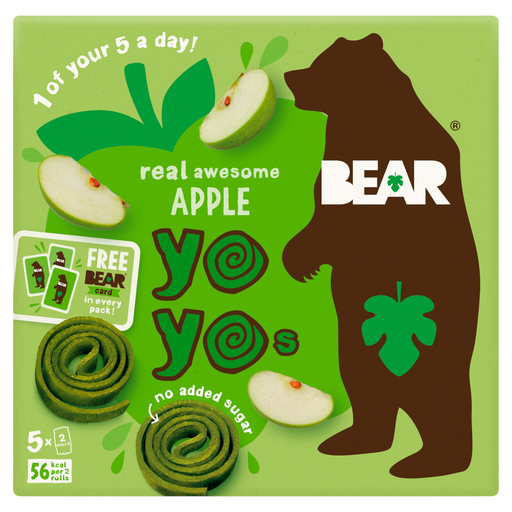
BEAR Apple Fruit Yoyos 100g
A fruit snack rather than a snack bar. If low fat is your priority before exercise, check its current fat and carbohydrate figures per 100g and for the portion you intend to eat.
View on Joybuy
 No image available
nākd. Blueberry Muffin Raw Fruit & Nut Bars, 4 x 35g
A fruit-and-nut bar for shoppers who specifically want a bar. Compare this Blueberry Muffin variant’s own fat per 100g and per bar with your requirement; the Cocoa Delight figures elsewhere in this article describe a different product. Check the current allergen statement too.
View on Joybuy
 No image available
Grenade Soft Core Double Chocolate Protein Bars, 12 x 50g
A protein-bar option if that is your preference. Before choosing it for a low-fat pre-workout snack, compare this flavour’s total fat per 100g with the NHS guide, then check carbohydrate, fat per bar and allergens on the current pack.
View on Joybuy
 No image available
Grenade Soft Core Golden Caramel Protein Bars, 12 x 50g
This Golden Caramel protein-bar multipack is a separate flavour and variant. Check its own per-100g and per-bar fat figures alongside carbohydrate and protein; do not transfer nutrition or allergen details from another Grenade flavour.
View on Joybuy
 No image available
Grenade Soft Core Peanut Butter Protein Bars, 12 x 50g
A Peanut Butter protein-bar variant. If you are limiting fat, check this product’s per-100g figure before weighing its protein content; read its current ingredients and allergen statement for the exact flavour.
View on Joybuy
Common questions
What counts as a low-fat snack bar?
The NHS food-label guide defines low fat as 3g fat or less per 100g of food. Use that figure to compare bars of different sizes, then check the fat in the bar or portion you would actually eat.
Are the five named-brand bars compared here low fat?
No. Manufacturer and retailer nutrition figures put these five specific bars between 14g and 36.3g fat per 100g, above the NHS guide of 3g or less. nākd. Cocoa Delight has the lowest declared per-100g fat value within this five-bar comparison, at 14g, but is not a low-fat food under that guide.
When does the pre-exercise snack advice apply?
The British Dietetic Association advises a low-fat, high-carbohydrate snack or light meal two to three hours before exercise. Consider the timing and the foods you tolerate alongside the type and demands of your session; the advice does not make every snack bar suitable.
Does a protein bar meet a low-fat requirement?
Not on the strength of its protein claim. Tesco Groceries lists 16g fat per 100g for TREK High Protein Choc Caramel, and Nature Valley UK lists 28.3g per 100g for Protein Peanut & Chocolate. Compare the exact bar’s total fat per 100g with the NHS guide if low fat is your requirement.
What does “may contain” mean on an allergen label?
It signals possible unintended presence of an allergen, not an assurance that the food is free from it. The Food Standards Agency describes this as the purpose of precautionary allergen labelling. Check the current pack’s ingredients and allergen wording for the exact product, particularly when an allergy is involved.


