Parents planning a mixed children's party
Compare the fat and sugars on the nutrition label, check what counts as one serving, and keep the allergen information available when handing out packaged snacks.


For a children's party, compare snack bars by total fat per 100g rather than assuming an oat, fibre or protein description means lower fat. Nature Valley UK lists 17.9g fat per 100g for Crunchy Apple & Cinnamon, compared with 28.3g for Protein Peanut & Chocolate and 29.5g for Protein Salted Caramel Nut; those figures do not establish a reduced-fat claim. Check sugars, the portion each child would receive and the exact pack's allergen information before choosing for the group.
Compare the fat and sugars on the nutrition label, check what counts as one serving, and keep the allergen information available when handing out packaged snacks.
Compare total fat and saturates per 100g. An oat-based recipe or a protein description answers a different question from how much fat the bar contains.
Check each child's requirements against the exact pack, including ingredients and precautionary warnings. Bars in the ranges considered here identify or warn about allergens such as peanuts, tree nuts, milk, soya and cereals containing gluten.
Start with a like-for-like nutrition comparison, then work out the portion you intend to serve and whether its allergen information fits the children attending.
| Priority | What to check | Your needs |
|---|---|---|
| Total fat | Compare total fat and saturates per 100g, then check the amount per serving. GOV.UK's nutrition-labelling guidance uses a per-100g basis for comparing declared nutrients. | I want to compare bars fairly, even when their serving sizes differ. |
| Sugars and portions | Read sugars per 100g and the stated serving size; check whether a serving is one bar or two. Where present, traffic-light labelling shows categories for fat, saturates, sugars and salt, as GOV.UK explains. | A lower-fat figure alone would not tell me how much sugar or how many bars I'm handing out. |
| Allergens | Read the current ingredients and any 'may contain' warning. Keep individual wrappers available if different products will be served. | Before offering a bar, I need to know whether its ingredients and warnings fit each child's allergy requirements. |
Graze says it has reduced saturated fat in its Oat Boost flapjacks since launch, but that statement does not give the total-fat figure for a particular flavour.
Use the exact pack's nutrition table to compare total fat and saturates per 100g, followed by the per-bar amounts.
Nature Valley UK identifies peanuts, soya and milk in the protein bars considered here, alongside tree-nut ingredients or warnings. Their format does not make them suitable for every party guest.
Ask about allergy requirements before buying, check the exact wrappers and keep those wrappers with the products while serving.
The Nature Valley Crunchy Apple & Cinnamon serving is two bars weighing 42g, while the protein-bar servings considered here are one 40g bar. Different serving sizes make the figures harder to compare directly.
Compare fat, saturates and sugars per 100g first, then use the serving information to decide how much to offer each child.
Weetabix Cereals' January 2020 product FAQ lists several Alpen Light bar lines as no longer made, so an older product reference may not identify a current choice.
Check the specific product and its current wrapper before including it in a party plan.
Its Oat Boost flapjacks are an option to examine if you want an oat-based packaged snack.
Its crunchy bars and protein-and-nut bars illustrate why the exact product matters more than the brand name when comparing fat.
Older Alpen Light references need a product-specific check before they become part of a party plan.
These options include oat bars and a Raspberry Yoyo fruit roll. Compare the exact pack's nutrition, serving size and allergens before deciding what to offer at a children's party.
 No image available
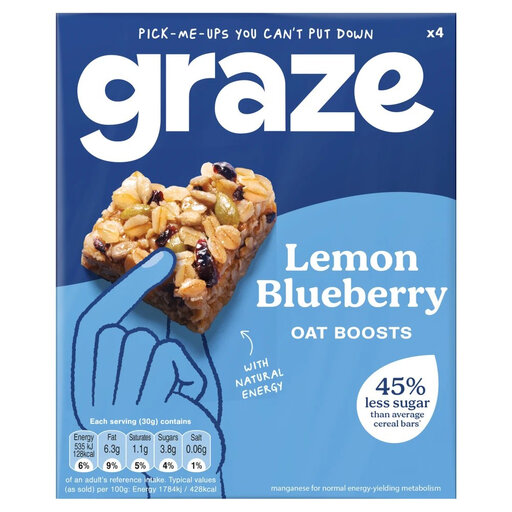
The four individually sized 30g oat bars offer a defined portion for a party. Compare the flavour's total fat and sugars on the pack, and check its precautionary allergen warnings before serving.
 No image available
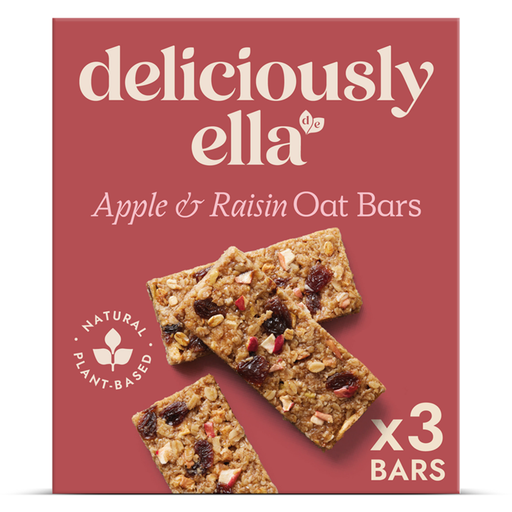
Each oat bar is listed as 50g, so check that portion alongside the per-100g fat and sugars figures. Review the current pack's nut, peanut, milk and soya warnings against the guests' requirements.
 No image available
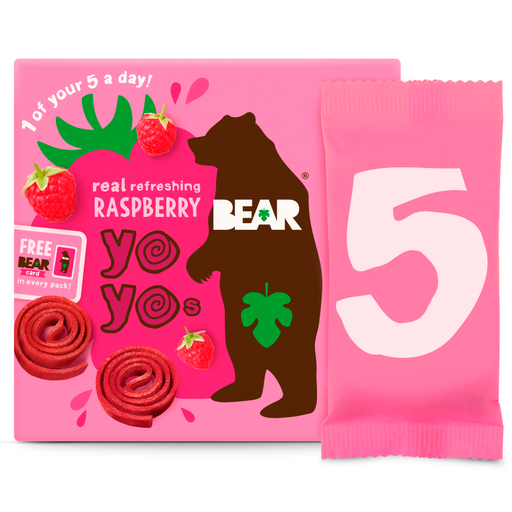
This Raspberry Yoyo is a fruit roll rather than a cereal bar, supplied as five 20g pieces. If you are comparing it with bars, read its sugars and serving information as well as its ingredients and allergen statement.
 No image available
These oat squares come in a four-pack of 30g portions. The protein wording does not answer whether they meet a lower-total-fat preference; compare the nutrition table and check the pack's allergen warnings.
No image available
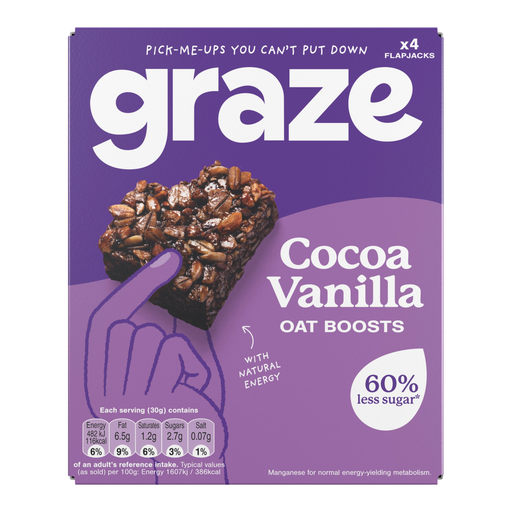
This four-pack contains 30g oat bars. Almond ingredients and additional nut warnings matter for a mixed group: check the current wrapper and each child's allergy requirements before offering this flavour.
No. Those descriptions do not state the bar's total-fat content or establish a reduced-fat claim. Compare total fat and saturates per 100g, then check the portion: Nature Valley UK lists 17.9g fat per 100g for Crunchy Apple & Cinnamon, versus 28.3g for Protein Peanut & Chocolate and 29.5g for Protein Salted Caramel Nut.
Check each child's allergy requirements against the exact pack's ingredients, highlighted allergens and precautionary warnings, and keep the wrappers available while serving. The Nature Valley products considered here identify or warn about allergens including peanuts, tree nuts, milk and soya.
No. Compare sugars and the portion you plan to serve as well as fat, and rule out any product that does not fit a child's allergy requirements. NHS snack guidance also favours fruit and vegetables over packaged snacks for children, so a bar need not be the only snack offered.