For an afternoon snack, compare total fat per 100g first, then check the amount in the bar you would eat; a protein, fibre or no-added-sugar claim does not establish that a bar is reduced fat. Business Companion’s February 2025 guidance sets the UK low-fat claim limit for solid foods at no more than 3g fat per 100g. The specific Eat Natural, Nature Valley, Graze and nākd. bars described below all exceed that limit, so choosing between them is different from finding a bar labelled low fat.
Who is this choice for?
Shoppers comparing fat content
If reducing fat is the main aim, compare the finished bars per 100g rather than relying on a small serving size or a claim about one ingredient. Check the amount per bar as well when deciding what to have in the afternoon.
Snackers also interested in fibre or protein
A bar may offer fibre, wholegrains or protein, but those features answer a different question from how much fat it contains. Compare the nutrition figures separately.
People avoiding particular ingredients
Check the exact pack’s ingredients and allergen statements before eating. Snack-bar recipes may include cereals containing gluten, peanuts, tree nuts or soya, and formulations can change.
What should you check first?
Start with the finished product’s fat figure on a common per-100g basis. Then use the portion, other nutrition information and ingredients to decide whether that particular bar fits your afternoon snack.
| Priority |
What to check |
Your needs |
| Total fat |
Compare fat per 100g for the finished bar. Business Companion’s February 2025 guidance permits a low-fat claim for solid food only at no more than 3g fat per 100g. Check what product a reduced-fat claim uses for comparison. |
I’m looking specifically for less fat, so a claim about sugar, protein or an individual ingredient is not enough to make that decision. |
| Portion |
After comparing per 100g, read the fat amount per bar or stated serving. Check the pack if one serving differs from the amount you plan to eat. |
A smaller bar may have a smaller per-bar total, but I still want to know how bars of different sizes compare. |
| Other nutrition |
Read sugar, fibre and protein figures separately where they matter to you. Use the ingredient list to understand what is in the recipe; do not treat those details as substitutes for total fat. |
I may want a fruit-and-nut, cereal or protein bar, while keeping fat content as a separate part of the choice. |
| Ingredients |
Check the current pack’s ingredient list, highlighted allergens and precautionary statements. GOV.UK allergen guidance, updated July 2026, includes cereals containing gluten, peanuts, soybeans and tree nuts among allergens that must be declared when present as ingredients. |
If I avoid an ingredient, I need the details for the exact bar and flavour I’m considering, not a general description of its brand. |
What can make a bar misleading to compare?
-
Treating no-added-sugar, fibre or protein claims as fat claims
These describe different attributes. Tesco lists 22g fat per 100g for its nākd. Cocoa Hazelnut Protein Bar despite its no-added-sugar description; Nature Valley lists 18.4g per 100g for its Cocoa & Hazelnut Crunchy bar.
If fat is your priority, read total fat per 100g first and assess the other nutrition information separately.
-
Comparing only the amount per bar
The reviewed products have different serving sizes, from a 25g Eat Natural bar to a 45g nākd. bar. A per-bar figure alone does not put those recipes on the same basis.
Compare per 100g, then check the amount in the portion you intend to eat.
-
Applying an ingredient claim to the whole bar
Nature Valley lists fat-reduced cocoa powder as an ingredient in its Cocoa & Hazelnut Crunchy bar, while listing 18.4g total fat per 100g for the finished product.
Use the finished bar’s nutrition table and check the wording of any claim made about the complete product.
-
Relying on an earlier allergen check
Ingredients and precautionary statements can differ between bars and may change when a recipe is reformulated.
For an allergy or intolerance, read the current pack for the exact product before eating it.
Which brand ranges are relevant?
A brand name does not tell you whether every bar in its range has the same fat content. These examples show why the exact product and nutrition panel matter.
Eat Natural
Its range includes soft fruit, fruit-and-nut and protein bars.
- Sainsbury’s lists 6.4g fat per 100g and 1.6g per 25g bar for Eat Natural Red Fruits Soft Fruit Bars.
- That Red Fruits bar exceeds the UK low-fat claim limit of 3g per 100g. Check its almond ingredient if you avoid tree nuts.
Nature Valley
Its UK range includes Crunchy, Sweet & Salty Nut and Protein bars.
- The range offers different bar formats for shoppers comparing cereal and nut-based recipes.
- Nature Valley lists 18.4g fat per 100g for its Cocoa & Hazelnut Crunchy bar. Its fat-reduced cocoa powder ingredient does not make that figure a whole-bar reduced-fat claim.
Graze
Its snack range includes Oat Boost flapjacks.
- Shoppers interested in the flapjack format can compare individual Oat Boost varieties by their pack nutrition panels.
- Tesco lists 19g fat per 100g and 5.8g per 30g portion for Sticky Toffee Oat Boost. Graze’s lower-sugar comparison is a separate claim, not evidence that this bar is low fat.
nākd.
The range includes fruit-and-nut and protein bars.
- Tesco describes the Cocoa Hazelnut Protein Bar as containing no added sugar and lists dates, peanuts and hazelnuts among its ingredients.
- Tesco lists 22g fat per 100g and 9.8g per 45g bar for that product. Its no-added-sugar description does not establish lower fat.
Trek
Trek offers a plant-based protein flapjack format.
- Tesco describes the Biscoff Protein Flapjack as vegan, with 9g plant protein per bar.
- For a fat-focused choice, compare the exact flapjack’s current fat-per-100g figure with other products before deciding.
Alpen
Alpen’s official UK product page presents Original and No Added Sugar mueslis.
- Those muesli descriptions do not establish the ingredients or fat content of an Alpen snack bar. If you encounter a bar, check its own current pack.
Joybuy afternoon snack options
These options include fruit-and-nut, cereal and protein bars, plus a savoury cracker pack as a different afternoon-snack format. Compare each exact product’s current nutrition panel if reducing fat is your priority; none should be treated as low fat on the basis of its format or name alone.
 No image available
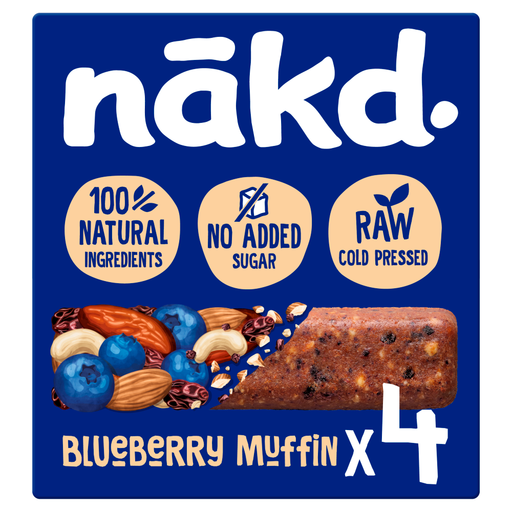
Nakd Blueberry Muffin Raw Fruit & Nut Bars, 4 x 35g
A fruit-and-nut bar in individual 35g portions. Compare its fat per 100g with other bars before using the per-bar figure to assess your afternoon portion; check the current ingredients if you avoid nuts.
View on Joybuy
 No image available
Special K Dark Chocolate Snack, 6 x 21.5g
A cereal snack bar in 21.5g portions. Its portion size makes the per-100g fat figure particularly useful when comparing it with larger bars; read the current pack for ingredients and allergens.
View on Joybuy
 No image available
Grenade Soft Core Double Chocolate Protein Bars, 12 x 50g
A protein-bar option supplied as twelve 50g bars. If protein matters alongside fat content, compare both figures on the current pack rather than assuming one determines the other.
View on Joybuy
 No image available
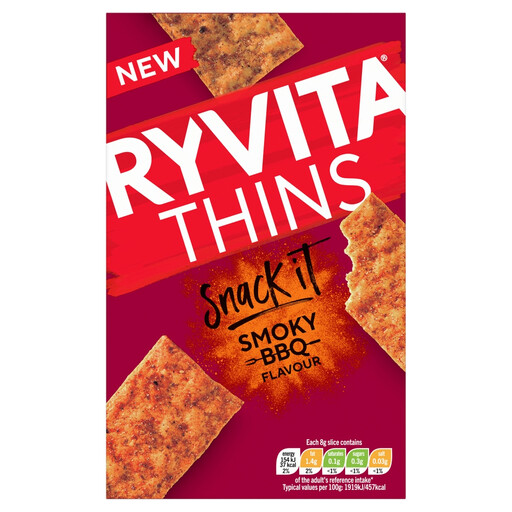
Ryvita Snack It Thins Smoky BBQ Flavour, 125g
A savoury cracker pack rather than an individual snack bar. Decide how much you would serve, then compare the pack’s fat-per-100g figure and ingredient list with the bar options.
View on Joybuy
 No image available
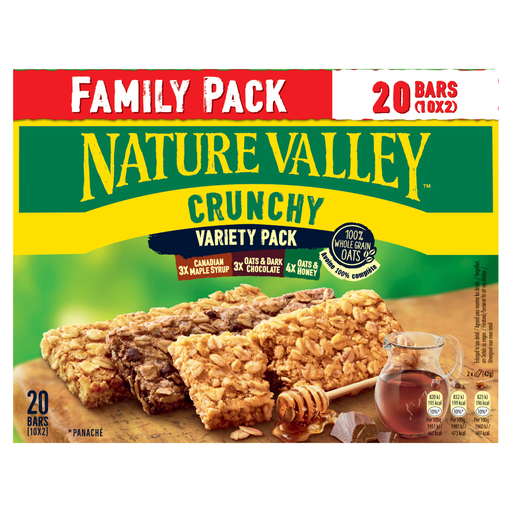
Nature Valley Crunchy Family Variety Pack, 10 x 42g
A variety pack of crunchy bars in 42g portions. Check the nutrition and allergens for each flavour you intend to eat rather than applying one variety’s figures to the whole pack.
View on Joybuy
Questions about fat and snack bars
What does “low fat” mean for a snack bar in the UK?
For solid food, Business Companion’s February 2025 guidance says a low-fat claim can be made only when the product contains no more than 3g fat per 100g. Check the finished bar’s nutrition table; a small portion does not change its per-100g value.
Should I compare fat per bar or per 100g?
Use fat per 100g to compare different-sized bars on the same basis, then check fat per bar for the portion you would eat. Both figures matter when a 25g bar and a 45g bar are being considered for the same afternoon snack.
Does fat-reduced cocoa powder make a whole bar reduced fat?
Not necessarily: the description applies to the ingredient. Nature Valley lists fat-reduced cocoa powder in its Cocoa & Hazelnut Crunchy bar but gives the finished bar a total fat value of 18.4g per 100g.
Is a no-added-sugar bar also lower in fat?
A no-added-sugar description does not establish the bar’s fat content. Tesco describes its nākd. Cocoa Hazelnut Protein Bar as having no added sugar and lists 22g fat per 100g, so check each figure separately.
Which allergen information should I check?
Read the current pack’s highlighted ingredients and any precautionary statements for the exact flavour. GOV.UK allergen guidance, updated July 2026, identifies cereals containing gluten, peanuts, soybeans and tree nuts among allergens that must be declared when present as ingredients.


