Parents comparing fat content
If you need a bar for a holiday outing, compare fat per 100g as well as per bar. A smaller serving or a ‘light’ name cannot tell you how bars of different sizes compare.


Compare total fat per 100g before choosing a bar for a school holiday outing: a small portion, a ‘light’ name or a lower-sugar claim does not establish that it is low or reduced in fat. Weetabix Cereals lists Alpen Light Summer Fruit at 4.3g fat per 100g, below the other named bars compared here but above the NHS low-fat guideline of 3g or less per 100g. Check the amount per bar and the current pack’s ingredients and allergen warnings before deciding what to pack for a child.
If you need a bar for a holiday outing, compare fat per 100g as well as per bar. A smaller serving or a ‘light’ name cannot tell you how bars of different sizes compare.
Ingredients and may-contain warnings differ between the named bars. Check the exact wrapper against the child’s requirements and any rules set by the activity provider.
A small cereal bar and a larger flapjack provide different portions. Compare the amount per bar and any protein or fibre figures you care about without assuming those features mean less fat.
Start with a like-for-like comparison per 100g, then check the portion you would pack and whether the ingredients suit the child.
| Priority | What to check | Your needs |
|---|---|---|
| Total fat | Compare total fat per 100g across bars. The NHS describes 3g or less per 100g as low fat; check any reduced-fat claim on the exact pack rather than inferring one from its name. | I’m looking for a lower-fat option, not just a bar with a small number of grams of fat because its portion is small. |
| Portion and label | Check the bar’s weight and its per-bar figures alongside the per-100g panel. Compare sugars, saturated fat, salt and energy as well as total fat. | For an outing, I want to know what is in the bar I will actually pack, without treating ‘no added sugar’ as a claim about total sugars or fat. |
| Allergens | Read the current ingredients, highlighted allergens and may-contain statement. Check dietary wording against the exact variety, not another bar from the same brand. | A suitable portion or fat figure is no use to my child if the bar conflicts with their allergy requirements or the activity provider’s food rules. |
A small bar can have little fat per serving while exceeding the NHS low-fat guideline when measured per 100g. Weetabix Cereals lists Alpen Light Summer Fruit at 0.8g per 19g bar but 4.3g per 100g.
Compare per 100g first, then use the per-bar figure for the portion you plan to pack. Check any reduced-fat wording on the current pack separately.
The named examples show why these are separate label questions: Tesco Groceries lists 22g fat per 100g for Graze Cocoa Vanilla Oat Boosts and 23g for Nakd Peanut Delight, despite their respective lower-sugar and no-added-sugar positioning.
Read total fat, saturated fat and sugars from the same nutrition panel rather than using a front-of-pack claim to answer a different question.
The checked ranges include bars with nuts, peanuts, milk, soya or gluten-containing ingredients, and some carry additional may-contain warnings. A bar chosen for its nutrition figures may therefore be unsuitable for a particular child.
Check the current wrapper against the child’s allergy requirements and any food rules for the outing before packing it.
These figures describe the named varieties, not every bar made by each brand; compare the current pack when choosing a flavour or size.
Weetabix Cereals lists Alpen Light Summer Fruit at 4.3g fat per 100g and 0.8g per 19g bar.
Graze Cocoa Vanilla Oat Boosts are presented with a lower-sugar comparison; Tesco Groceries lists 22g fat per 100g for this variety.
Nakd describes its fruit-and-nut bars as having no added sugar. Tesco Groceries lists 23g fat and 35g total sugars per 100g for Peanut Delight.
Nature Valley lists 25.7g fat per 100g for its Protein + Fibre Coconut & Almond Flavour bar.
The Myprotein UK listing for Trek Original Oat Protein Flapjack gives 19.6g fat per 100g.
Tesco Groceries lists Eat Natural Peanuts, Almonds & Cocoa at 37.9g fat per 100g and 15.2g per 40g bar.
These options include a strawberry cereal bar and a fruit-and-nut bar for school holiday snacks. Compare their exact nutrition panels and allergen statements; neither product name establishes a reduced-fat claim.
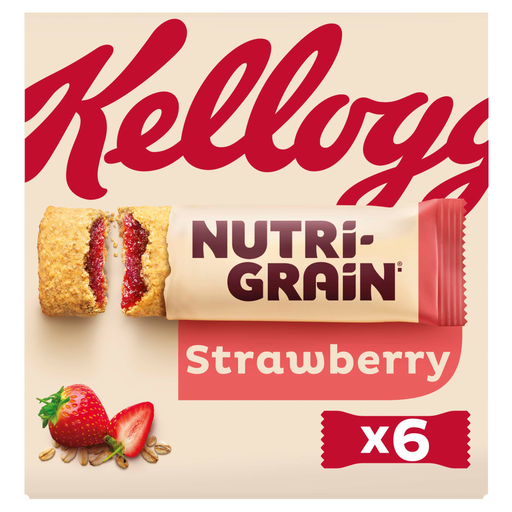 No image available
A strawberry cereal-bar option for packing on an outing. Compare fat and sugars on the exact pack, and check its wheat, soya and milk ingredients and tree-nut may-contain wording against the child’s requirements.
 No image available
A fruit-and-nut format in four 35g bars. Check total fat and sugars on this variety’s pack rather than applying Peanut Delight’s figures; its listed cashew and almond ingredients and may-contain nut and peanut warnings matter for allergy suitability.
No. The NHS low-fat guideline is 3g fat or less per 100g. Weetabix Cereals lists Alpen Light Summer Fruit at 0.8g per 19g bar but 4.3g per 100g, so check the per-100g panel rather than relying on the name or portion size.
No. Tesco Groceries lists 23g fat and 35g total sugars per 100g for Nakd Peanut Delight. ‘No added sugar’ answers a different question from total fat or total sugars, so compare those figures on the exact bar you are considering.
Read the current wrapper’s ingredients, highlighted allergens and may-contain statement against the child’s requirements. The named examples differ in their nut, peanut, milk, soya and gluten-containing ingredients; also check any food rules set by the activity provider.
Not on the strength of its protein label. Nature Valley lists 25.7g fat per 100g for Protein + Fibre Coconut & Almond Flavour, while the Myprotein UK listing gives 19.6g per 100g for Trek Original Oat Protein Flapjack. Compare fat per 100g and the allergens of the exact bar before choosing it for an outing.