Desk workers comparing fat content
If you want a quick bar to keep at work, compare total fat and saturates per 100g before deciding which pack size suits your break.


Compare total fat and saturates per 100g first, then check the amount you would actually eat. Weetabix Cereals lists 4.3g fat per 100g for Alpen Light Summer Fruit, compared with 18.1g for Nature Valley UK’s Crunchy Oats & Honey and 36.3g for Eat Natural UK’s Dark Chocolate & Peanut bar; even the Alpen bar exceeds the NHS low-fat guide of 3g or less per 100g. For a desk lunch, check sugars, allergens and whether the portion fits what you plan to eat.
If you want a quick bar to keep at work, compare total fat and saturates per 100g before deciding which pack size suits your break.
A small single bar and a two-bar serving can look quite different on a per-portion label. Check both the per-100g figures and the amount you expect to eat.
Fruit, oat and nut bars can have different ingredients and cross-contact statements. Read the current label for the exact flavour, particularly for nuts, peanuts, milk, soya and cereals containing gluten.
Start with the per-100g panel so different bar sizes are comparable, then look at the portion and ingredients for the bar you would eat at your desk.
| Priority | What to check | Your needs |
|---|---|---|
| Total fat and saturates | Compare both figures per 100g. The NHS describes 3g fat or less per 100g as low fat for solid foods; check saturates separately rather than relying on a “light”, wholegrain or protein description. | I want to compare bars of different sizes without mistaking a small bar’s per-portion figure for lower fat content. |
| Portion size | Check the weight of one bar, how many bars make up the labelled serving and the figures for the amount you expect to eat. | A single bar may suit my break, but I might eat both bars in a twin pack. I need the figures for that actual portion. |
| Sugars and energy | Read sugars per 100g and per serving alongside fat. Check the energy figure for your likely portion; where traffic-light labelling appears, use it with the full nutrition panel. | Reducing fat is one consideration for my desk lunch; I also want to see the sugars and energy in what I will eat. |
| Ingredients and allergens | Read the exact flavour’s ingredients, emphasised allergens and any “may contain” statement. Check dietary descriptions against that product rather than the wider brand. | If I need to avoid an ingredient, an oat- or fruit-based name alone will not tell me whether this pack is suitable. |
Those descriptions do not tell you the total fat content. Manufacturer figures for the Alpen Light Summer Fruit, Nature Valley Crunchy Oats & Honey and Eat Natural Dark Chocolate & Peanut examples are 4.3g, 18.1g and 36.3g fat per 100g respectively.
Compare total fat and saturates on the nutrition panels before using flavour or other product descriptions to make your choice.
A 19g Alpen bar, a 40g Eat Natural bar and Nature Valley’s two-bar 42g serving are different-sized portions. Their per-serving figures alone cannot show which has less fat per 100g.
Compare per 100g first, then read the figures for the number of bars you expect to eat.
The named product examples have differing ingredient and possible cross-contact statements, including for nuts, milk, soya and cereals containing gluten.
Check the current label of the exact flavour and pack, especially when buying for someone with an allergy.
Alpen Light Summer Fruit is a 19g multigrain bar to consider when comparing smaller portions.
Crunchy Oats & Honey is an oat-bar option with two bars in a 42g serving.
Dark Chocolate & Peanut Protein Bar is a nut-based option for shoppers comparing protein as well as fat.
Graze’s Oat Boost range provides an oat-flapjack reference, but a product’s name or range does not establish its total fat content.
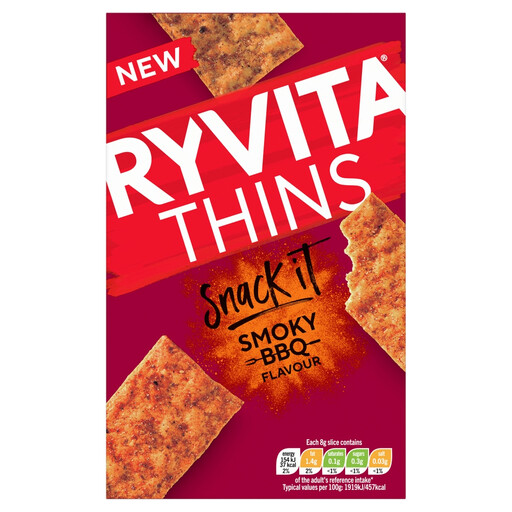
These options include cereal and fruit-and-nut bars, plus savoury Ryvita thins as an alternative desk snack. Compare their current nutrition panels and the portion you plan to eat when choosing for a lower-fat desk lunch.
 No image available
This is a savoury cracker-style desk snack rather than a bar. If you prefer an individually portioned snack, consider how much of the 125g pack you would eat; compare the fat and saturates for that amount.
 No image available
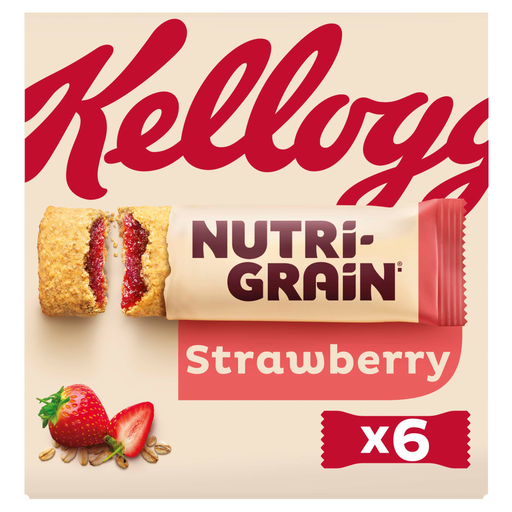
The six-bar format offers separate bars to take to a desk. Compare sugars alongside total fat on the current panel, and check the exact pack’s allergen information if needed.
 No image available
This fruit-and-nut bar format may suit a desk snack if nuts are suitable for you. Check sugars alongside total fat, and read the current pack’s nut and other allergen statements.
 No image available
The “Light” name does not replace a check of total fat, saturates and sugars on the current panel. Its chocolate coating may soften at a warm desk; check the pack’s allergen information too.
 No image available
The 21.5g bar size makes it worth checking both per-bar and per-100g figures before choosing a desk portion. Compare sugars as well as fat, and bear in mind that the chocolate coating may soften in warmth.
No: a comparison with another product does not, by itself, show that a bar meets the NHS low-fat guide of 3g fat or less per 100g for solid foods. Read the current nutrition panel rather than relying on “light” or similar wording in a product name.
Compare total fat and saturates per 100g so differently sized bars are on the same basis. Then check sugars, energy and the figures for the number of bars you expect to eat.
It depends on the particular bar: a protein description does not establish its fat content. Eat Natural UK lists 19.5g protein and 36.3g fat per 100g for its Dark Chocolate & Peanut Protein Bar, so compare the full panel if reducing fat is your priority.
Read the ingredients, emphasised allergens and any “may contain” statement on the current pack of the exact flavour. Do not assume that another flavour or a fruit- or oat-based name has the same allergen information.