Hosts comparing fat on the label
For a shared snack table, compare total fat and saturates rather than assuming an oat or fibre description means a bar is lower in fat. Individual wrappers also make portions and ingredients easier to identify.


For a board game night, compare snack bars’ total fat and saturated fat per 100g, then check the amount in each bar and the allergens on its wrapper. An oat or protein description does not establish that a bar is reduced fat: the NHS classifies foods with more than 17.5g fat or more than 5g saturates per 100g as high on those respective measures, and the two figures can point to different trade-offs.
For a shared snack table, compare total fat and saturates rather than assuming an oat or fibre description means a bar is lower in fat. Individual wrappers also make portions and ingredients easier to identify.
If protein matters more than reducing fat, compare both figures separately. Check the exact bar for nuts, milk and soya before putting it out for other guests.
Keep packaging available so guests can check ingredients, allergen and may-contain statements, and any vegan or gluten-free claim for the specific bar being served.
Start with per-100g figures to compare bars of different sizes; use per-bar figures to see what each wrapped portion contains. Falling below an NHS high-fat threshold does not, by itself, establish a reduced-fat claim.
| Priority | What to check | Your needs |
|---|---|---|
| Total fat and saturates | Compare both per 100g. The NHS classifies more than 17.5g total fat or more than 5g saturates per 100g as high for foods; check each measure independently. | I want to reduce fat in the snacks I put out, without mistaking a protein, oat or fibre description for a fat comparison. |
| Portion size | Check the weight of one bar and its per-bar nutrition alongside the per-100g values. Check how many bars are inside each wrapper. | Guests may take another bar during a long game, so I want to know what one wrapped portion contains. |
| Ingredients and allergens | Read the exact pack’s ingredients, allergen and may-contain statements. Check vegan or gluten-free wording on the particular variant, not just the brand. | With several people sharing a table, I need guests to be able to identify which bar they can choose. |
| Other nutrition details | Compare protein, fibre and sugars separately from fat, using the same per-100g basis where possible. | If someone wants a protein bar, I still want to check its fat and saturates rather than treating protein as an answer to every requirement. |
Those attributes describe different aspects of a bar. Nature Valley UK lists 29.5g fat and 7.1g saturates per 100g for its Protein Salted Caramel Nut bar, despite its protein and fibre content.
Check total fat and saturates on the nutrition panel before comparing protein, fibre or sugars.
A 30g bar and a 50g bar are different-sized portions, so their per-bar figures do not provide a like-for-like product comparison.
Use per-100g figures to compare products, then use per-bar figures to plan what to serve.
Relevant bars contain or may contain ingredients such as peanuts, tree nuts, soya, milk and wheat. Without the pack, guests have less information about a particular bar.
Keep bars in their wrappers or leave the corresponding packaging beside them, and identify any separate alternative clearly.
Recipes and packaging can change, so an online description may differ from the bar you buy.
Read the current pack for nutrition, ingredients, allergens and portion size before serving it.
These figures describe the named products, not every bar made by each brand.
Its Crunchy and Protein bars illustrate why oat, fibre and protein descriptions need separate fat comparisons.
The 30g Cocoa Vanilla Oat Boost is an example where the per-bar portion and per-100g comparison answer different questions.
The TREK Protein Flapjacks Variety Pack offers a different dietary format, rather than a lower-fat comparison point.
These cereal and protein bars offer different starting points for a board game snack table. Compare the current pack’s fat, saturates, portion size and allergens before deciding which suits your guests.
 No image available
For a table of smaller cereal-bar portions, compare the current pack’s total fat and saturates per 100g. Keep wrappers available so guests can check the ingredients.
 No image available
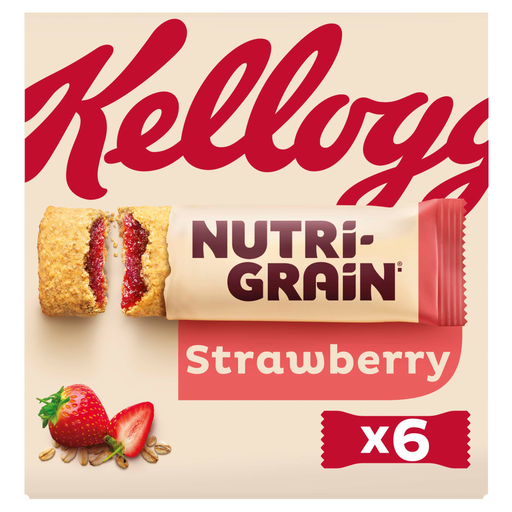
A strawberry cereal-bar option for sharing. Check the weight and nutrition of one bar as well as the per-100g figures, and read the current allergen statement before serving.
 No image available
If a guest is choosing a protein bar, compare saturated fat as well as total fat on the current pack. Check its milk and soya allergen information before sharing.
 No image available
For guests considering a caramel protein bar, read its per-100g saturated-fat figure separately from total fat. Keep the wrapper available for the milk and soya declaration.
 No image available
This peanut-butter variant needs particular attention on a shared table: check its peanut, milk and soya information on the current pack. Compare both total fat and saturates per 100g if reducing fat is the priority.
Not on that description alone. Compare total fat and saturates on the nutrition panel, and check what any reduced-fat claim is comparing; GOV.UK notes that nutrition claims are subject to rules. An NHS high-fat threshold is a label-reading reference, not proof that a product has reduced fat compared with another bar.
Use per-100g figures to compare bars of different sizes, then check per-bar figures for the portion you plan to serve. The NHS classifies foods with more than 17.5g total fat or more than 5g saturates per 100g as high on the respective measure.
Check the exact wrapper before serving them. Nature Valley UK identifies peanut, soya, almond and milk ingredients in its Protein Salted Caramel Nut bar; ingredient and allergen details must be checked for each different product and variant.
Use it to compare possible bars, then read the current pack before purchase and serving. Confirm the portion size, nutrition, ingredients and allergen statements for the bar your guests will actually receive.