Players looking for a low-fat bar
If fat content is the deciding factor for a gaming snack, compare the nutrition panels rather than using a protein, fibre or lower-sugar claim as a shortcut.


For a low-fat snack bar, compare total fat per 100g before looking at protein, fibre or sugar claims: the NHS defines low fat for solid foods as 3g of fat or less per 100g. Then check the amount in the bar you would eat during a gaming break, along with saturated fat and any relevant allergens. A bar labelled lower in sugar or higher in protein is not necessarily lower in fat.
If fat content is the deciding factor for a gaming snack, compare the nutrition panels rather than using a protein, fibre or lower-sugar claim as a shortcut.
If another feature matters more to you than low fat, use it to narrow the options, then check fat, saturates, sugars and the serving size on the particular bar.
Check the ingredients and precautionary statements for the exact flavour. Eat Natural’s Dark Chocolate & Peanut Protein Bar, for example, declares peanuts and soya and carries warnings for milk and several tree nuts.
Start with the per-100g nutrition panel to compare bars of different sizes, then use the per-bar figures and ingredients to decide whether a particular pack suits your gaming break.
| Priority | What to check | Your needs |
|---|---|---|
| Total fat | Compare fat per 100g. The NHS describes 3g or less per 100g as low and more than 17.5g per 100g as high for solid foods; check fat per bar separately. | I want fat content to guide the choice, even if another bar highlights protein, fibre or less sugar. |
| Saturated fat | Read saturates separately from total fat. The NHS describes 1.5g or less per 100g as low and more than 5g per 100g as high. | A bar’s total-fat figure alone does not tell me how much saturated fat is in it. |
| Serving and other nutrients | Compare per-100g and per-bar values for sugars and energy as well as fat. If protein or fibre matters to you, check the amount for the exact variant. | I want to know what is in the whole bar I might eat, not just how its front-of-pack claim sounds. |
| Ingredients and allergens | Read the exact flavour’s ingredient list, highlighted allergens and any “may contain” statement; do not rely on a range-wide description. | For me, a suitable ingredient and allergen profile matters as much as the nutrition figures. |
These describe different properties. Tesco lists 22g fat per 100g for Graze Honey Oat Boost, despite Graze’s lower-sugar positioning for its Oat Boost range. Eat Natural lists 36.3g fat per 100g for its Dark Chocolate & Peanut Protein Bar.
If fat is your priority, compare total fat and saturates per 100g before using other claims to distinguish between bars.
Different bar sizes make per-bar figures a poor starting point for a like-for-like comparison.
Compare per 100g first, then check the figures for the full bar you expect to eat.
Ingredients and precautionary warnings can differ between bars, including those within a protein or fruit-and-nut range.
Read the ingredients and “may contain” statement on the particular pack, even if you have checked another flavour before.
These ranges illustrate different features to check; a brand’s protein, fibre or ingredient positioning does not establish that every bar in its range is low in fat.
Oat Boost flapjacks may appeal if you are comparing fibre or sugar claims, but assess fat on the exact flavour.
Its range includes bars presented around oats, protein or fibre, depending on the product.
Fruit-and-nut bars offer an ingredient-led option for shoppers who prefer that format.
A plant-based range to compare when protein content is a more important selection criterion than low fat.
Nut-led bars call for particular attention to both fat content and allergens.
These fruit-and-nut and protein-bar options cover different priorities for a gaming snack. Compare the exact pack’s nutrition and allergens before choosing one for a lower-fat goal.
 No image available
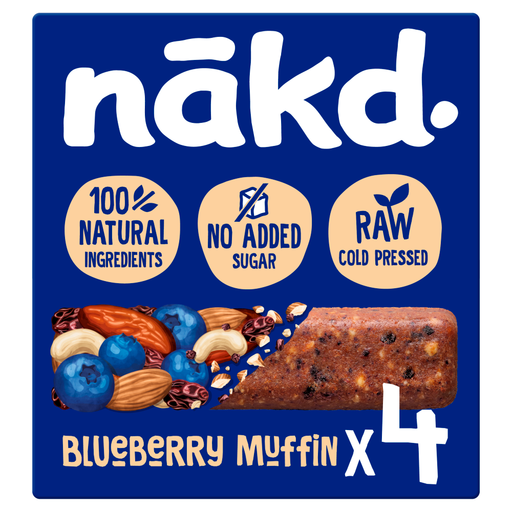
The fruit-and-nut format offers a different choice from the protein bars below; compare its fat and sugars per 100g rather than assuming it is low in either. Check the pack for cashews, almonds and any precautionary nut warning.
 No image available
A protein-bar option if that feature matters more to you than a low-fat label. Compare total fat and saturates on the Double Chocolate pack, and check its milk and soya declarations.
 No image available
If you prefer the Golden Caramel variant, use its own per-100g and per-bar figures for the fat comparison. Check the pack’s milk and soya information rather than assuming another flavour has the same ingredients.
 No image available
Compare fat and saturates on this Peanut Butter variant if you are considering it for gaming breaks. Check the exact pack for peanut, milk and soya declarations and precautionary warnings.
 No image available
The Low Sugar wording describes sugar, not fat. Compare the Oreo Flavour bar’s total fat and saturates per 100g and per 60g bar, and check the pack for milk, soya and gluten information.
For a solid food, the NHS defines low fat as 3g of total fat or less per 100g and high fat as more than 17.5g per 100g. Compare that figure first, then check how much fat is in the bar you would actually eat.
No. Sugar and fat are separate nutrition measures. For example, Graze positions its Oat Boost range around a lower-sugar comparison, while Tesco lists 22g fat per 100g for Graze Honey Oat Boost. Check both figures on the particular product.
Use both when they are available. GOV.UK explains that traffic-light labelling indicates high, medium or low amounts of fat, saturates, sugars and salt; the nutrition table gives the per-100g figures needed to compare different bar sizes and may also show values per bar.
Read the ingredients and precautionary allergen statement on the exact flavour’s pack each time you buy. Eat Natural’s Dark Chocolate & Peanut Protein Bar, for example, declares peanuts and soya and warns that it may contain milk and several tree nuts; do not apply one bar’s statement to an entire range.