Someone reducing fat intake
Make fat and saturated fat on the exact bar’s nutrition label the starting point. A protein, fibre or no-added-sugar claim does not establish that it meets a lower-fat preference.


For a Father’s Day gift for someone reducing fat intake, compare fat and saturated fat per bar and per 100g, and check whether the exact pack makes a low-fat or reduced-fat claim. Protein, fibre and lower-sugar wording address different priorities; check sugars, portion size and allergens separately.
Make fat and saturated fat on the exact bar’s nutrition label the starting point. A protein, fibre or no-added-sugar claim does not establish that it meets a lower-fat preference.
If protein matters more than reducing fat, compare protein per bar alongside fat, sugars and portion size. A protein bar should not be assumed to meet both priorities.
Check the claim on the particular flavour and pack, then read its ingredients and allergen information before giving it as a gift. Suitability can differ between bars from the same brand.
Start with the recipient’s main requirement, then compare the complete labels of bars that could meet it.
| Priority | What to check | Your needs |
|---|---|---|
| Fat and saturates | Read fat and saturated fat per bar and per 100g. Check any low-fat or reduced-fat wording on the exact pack rather than relying on a product name. | I’m buying for someone who wants to reduce fat intake, so a protein or lower-sugar claim alone will not settle the choice. |
| Sugars and portion | Compare sugars, energy and serving weight as well as fat; use the same basis when comparing different bar sizes. Action on Sugar reported that, under UK front-of-pack thresholds, 37% of the supermarket snack bars in its November 2025 review would be high in sugars and 55% high in saturated fat. | A multipack needs to suit the recipient’s usual snack portion, not just display one appealing claim on the front. |
| Protein and dietary fit | Read protein per bar if it matters to the recipient. Check vegan or gluten-free wording on the variant, plus its ingredient and allergen information. | For a dad who wants a portable protein snack or has dietary restrictions, I need to check those requirements separately from fat content. |
Protein, high-fibre and lower-sugar wording describe different characteristics. Graze Honey Oat Boost, for example, has a lower-sugar comparison claim, while Tesco lists 6.7g fat in its 30g bar.
Compare fat, saturates, sugars and serving size on the same pack before choosing it for someone whose priority is reducing fat.
Nut-based options can be unsuitable regardless of their protein content. Eat Natural lists peanuts and soya in its Dark Chocolate & Peanut Protein Bar.
Ask about allergies before gifting and read the current ingredient and allergen information for the exact variant.
Alpen identifies Alpen Light Bars Chocolate & Orange among products it no longer makes. An older listing does not establish the formulation of a current alternative.
Check the manufacturer’s current product range and the pack’s nutrition information before choosing a substitute.
These examples illustrate different snack-bar priorities; a brand name or product-line description does not establish that every bar in the range is reduced fat.
Oat-based snacks include the Honey Oat Boost flapjack.
Its UK range includes oat and protein-bar varieties.
Its range includes fruit, nut and plant-protein bars.
Its Cocoa Oat protein flapjack is an oat-based option labelled vegan and gluten-free.
Its Dark Chocolate & Peanut Protein Bar combines nuts and chocolate.
Check current products rather than assuming a previously listed “light” bar is still made.
These options include cereal bars, a protein bar and a savoury crispbread alternative. Check each current pack against the recipient’s fat, sugar and allergen requirements; a “Light” name or protein-bar format does not establish a reduced-fat claim.
 No image available
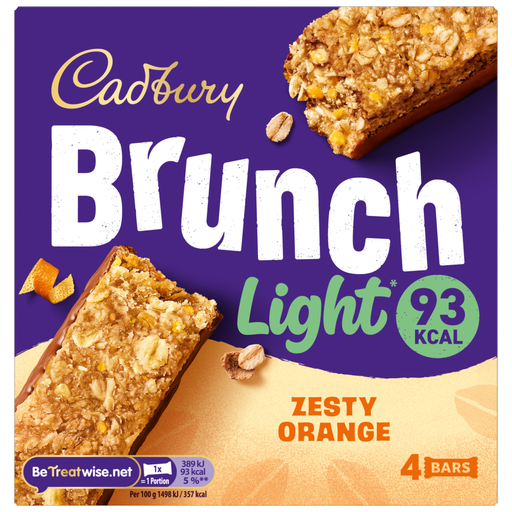
A cereal-bar multipack to consider if the recipient likes orange flavour; check its fat and saturated fat values rather than interpreting “Light” as a reduced-fat claim.
The supplied product information flags milk, soya, wheat and barley, with a possible nut warning. Read the current pack if allergies matter.
 No image available
The individually sized bars may suit a recipient who wants a berry-flavoured cereal snack; compare fat and sugars on the current label before choosing the multipack.
Sugar is a consideration for this variant. Check its ingredients and allergen information before gifting.
 No image available
For someone who prefers a small chocolate-flavoured bar, compare its per-bar and per-100g fat values with other options.
Sugar is a consideration for this variant, and its ingredients include milk, soya and cereals containing gluten; check the current pack for allergy details.
 No image available
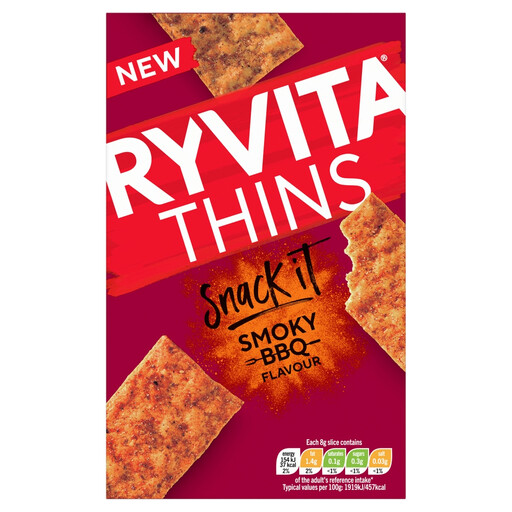
This savoury crispbread is an alternative for someone who does not want a sweet bar; it is a different snack format, so compare the labelled serving sizes.
The supplied product information identifies wheat, rye and barley. Check the current pack for gluten-related dietary needs.
 No image available
Consider this multipack when the recipient specifically wants protein bars, rather than assuming a protein claim meets a reduced-fat goal.
Saturated fat is a relevant trade-off for this variant. The supplied product information also identifies milk and soya; check the current pack before gifting.
No. Tesco lists 6.7g fat in a 30g Graze Honey Oat Boost bar despite its lower-sugar comparison claim. Check fat and saturated fat on the exact pack if those are the recipient’s priorities.
Yes. GOV.UK says nutrition claims, including “low fat”, must follow specific rules. A claim about fat does not answer separate questions about sugars, portion size or allergens, so read the rest of the label too.
Check the exact variant’s ingredients and allergen information before buying. GOV.UK identifies allergens that food businesses must declare when they are ingredients; peanut and soya ingredients appear in some of the named protein-bar examples.
Alpen lists that bar among products it no longer makes. If an older listing appeals, look for a current product and check its own pack rather than assuming it has the same formulation.
It can only be judged from the particular bar’s label; protein content does not establish fat content. For example, Eat Natural lists 7.8g protein alongside 14.5g fat per 40g Dark Chocolate & Peanut Protein Bar, so compare both values before choosing.