What should you compare?
Start with comparable per-100g figures, then use the per-bar values to assess your intended tea-break portion. In the Food Standards Agency and Ipsos Northern Ireland’s Making Food Better Tracker Survey 2024, 611 interviews took place between 16 September and 23 November 2024; its findings describe food shopping in Northern Ireland, not snack-bar preferences across the UK.
| Priority | What to check | Your needs |
|---|
| Total fat and saturates |
Compare both values per 100g. Then read the values per bar, checking its weight and how many bars you intend to eat. |
I want to know what one tea-break portion contains, not just how the recipes compare. In that Northern Ireland survey, 49% of respondents said they actively used traffic-light labels when shopping for food; the figure does not measure demand for lower-fat snack bars. |
| Sugar messages |
Read the sugar and fat figures separately. A no-added-sugar statement or a comparison about less sugar does not establish the bar’s fat content. |
A sugar message might catch my eye, but I still want to check whether the bar fits my reason for choosing it. |
| Protein and fibre |
Compare protein and fibre per bar alongside fat, saturates and energy for that same portion. Do not use one nutrient as a substitute for the full panel. |
If protein or fibre matters more to me than minimising fat, I can weigh those figures against what the whole bar contains. |
| Ingredients and allergens |
Check the current pack’s ingredients, highlighted allergens and any precautionary allergen statement. Check the particular flavour and pack you are buying. |
For an ingredient I need to avoid, the exact bar’s labelling matters more than a general description of its range. |
Brand and product-line references
These examples show why it helps to compare exact bars rather than choosing by brand or range description alone.
nākd.
Fruit-and-nut bars include Cocoa Delight, which Tesco Groceries lists at 14g fat per 100g and 4.9g per 35g bar.
- Its listed per-bar fat figure offers a concrete portion comparison for a tea break.
- The same Tesco listing gives 15g sugars per bar. No added sugar is not a statement about fat or total sugars.
Graze
Honeycomb Oat Boost is an oat-based bar with a sugar comparison against a defined set of cereal bars.
- Tesco Groceries lists 7.4g fibre per 50g bar.
- The same listing gives 9.1g fat per bar; its less-sugar message does not establish lower fat.
TREK
The Salted Caramel Protein Flapjack is an example for shoppers comparing protein with fat in the same portion.
- TREK lists 9.5g protein per 50g bar.
- TREK also lists 10g fat and 4.8g saturates per bar, and says it may contain peanuts, nuts and milk.
Nature Valley
Its range includes different bar formats; the Protein Salted Caramel Nut bar is a protein-focused example, not a stand-in for every Nature Valley bar.
- Nature Valley UK lists 10.4g protein and 4.3g fibre per 40g bar for this product.
- Its official panel also lists 11.8g fat per bar. Check the current pack, as Nature Valley notes that products can be reformulated.
Eat Natural
Dark Chocolate Fruit & Nut is a fruit-, nut- and chocolate-based option to compare by its own nutrition panel.
- The Sainsbury’s listing provides figures both per 100g and per 40g serving.
- It lists 25.4g fat and 16.3g saturates per 100g, or 10.2g fat and 6.5g saturates per bar.
Alpen
Alpen is a relevant name to check carefully when looking at snack bars, rather than assuming an older bar line remains current.
- Alpen Muesli’s product FAQ lists several former bars, including Alpen Light Bars Chocolate & Orange, as no longer being made. Check the identity and nutrition panel of any particular bar before comparing it.
Joybuy snack-bar options
These options include fruit-and-nut and cereal bars for a morning break, followed by protein-focused bars for shoppers considering that trade-off. Use each exact pack’s nutrition and ingredient information to decide whether it meets your fat and allergen requirements.
 No image available
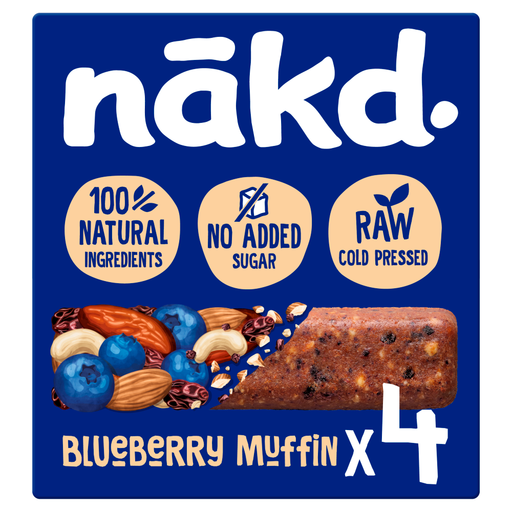
Nakd Blueberry Muffin Fruit & Nut Bars, 4 × 35g
A fruit-and-nut option for a tea break. Compare the fat and saturates on the exact pack per 100g and per 35g bar, and check its ingredients if you avoid nuts.
View on Joybuy
 No image available
Special K Dark Chocolate Snack Bars, 6 × 21.5g
This 21.5g cereal-bar portion gives you a different pack size to compare with larger bars. Read both per-100g and per-bar fat figures, and check the current ingredient and allergen information.
View on Joybuy
 No image available
Grenade Soft Core Double Chocolate Protein Bars, 12 × 50g
A protein-focused option for a 50g tea-break portion. Compare its protein figure with fat and saturates for the same bar; the protein-bar description alone does not establish a lower-fat choice.
View on Joybuy
 No image available
Grenade Soft Core Golden Caramel Protein Bars, 12 × 50g
Choose this 50g format to compare protein with the fat and saturates in one bar, rather than assuming all Soft Core flavours have identical nutrition or ingredients. Check the Golden Caramel pack itself.
View on Joybuy
 No image available
Grenade Soft Core Peanut Butter Protein Bars, 12 × 50g
This peanut-butter variant is a protein-focused 50g bar, not an automatic lower-fat choice. Compare its full nutrition panel with the other flavours and check the exact pack’s allergen wording before eating it.
View on Joybuy
Questions about snack-bar labels
Does “no added sugar” mean a snack bar has less fat?
No: sugar and fat are separate figures on the nutrition panel. Tesco Groceries lists nākd. Cocoa Delight as no added sugar, while its panel gives 14g fat per 100g and 4.9g per 35g bar. Check total sugars as well as fat for the portion you intend to eat.
Can I use a “less sugar” message to choose a lower-fat oat bar?
Not without checking its fat figures. The Tesco Groceries listing says Graze Honeycomb Oat Boost has 50% less sugar than a comparison set of over 80 cereal bars, but lists 18g fat per 100g and 9.1g per 50g bar. The sugar comparison does not describe its fat content.
What if I want protein from my tea-break bar?
Compare protein and fat for the same serving before choosing. TREK lists 9.5g protein and 10g fat per 50g Salted Caramel Protein Flapjack; Nature Valley UK lists 10.4g protein and 11.8g fat per 40g Protein Salted Caramel Nut bar. Those examples make protein a separate priority, not proof of lower fat.
How should I check a snack bar for allergens?
Read the current pack’s ingredient list, highlighted allergens and any precautionary statement for the exact flavour. The cited bars have differing nut, soya and milk information, so a general range description is not enough for an ingredient you need to avoid.
Why check the pack when an online nutrition panel is available?
The pack lets you check the nutrition and ingredients for the bar you are buying. Nature Valley UK notes that its products can be reformulated, and its Protein Salted Caramel Nut panel gives a different fat figure from the Joybuy listing for the same named product. Do not carry a figure from one listing over to a different pack without checking it.


