Hosts offering a low-fat choice
Compare total fat per 100g on each bar’s current pack, then check the portion size when deciding how many to put out.


For guests seeking a low-fat snack bar, compare total fat per 100g on the current pack: UK government guidance says a solid food claiming to be low fat must contain no more than 3g per 100g. Protein, fibre or vegan labelling does not establish that a bar meets this threshold. At a street party, keep the original packaging available so guests can check ingredients and allergens.
Compare total fat per 100g on each bar’s current pack, then check the portion size when deciding how many to put out.
Keep ingredient and allergen information accessible when offering bars with different recipes or dietary labels.
Check those nutrients alongside total fat and allergens rather than assuming a protein or fibre claim means lower fat.
Compare bars per 100g first, then use the per-bar figures and the exact pack to decide what to serve.
| Priority | What to check | Your needs |
|---|---|---|
| Low-fat choice | Check total fat per 100g. UK government guidance sets the threshold for a solid food claiming to be low fat at no more than 3g per 100g; check saturates separately. | I want a bar that meets the low-fat threshold, not just one labelled with a different nutrition claim. |
| Label comparison | Compare per-100g values across bars before reading per-bar figures. Check what the traffic-light colours refer to rather than relying on the front of the pack alone. | When shopping for a group, I want to compare different-sized bars consistently. In the Food Standards Agency’s Northern Ireland Making Food Better survey, 49% of 611 adults interviewed between September and November 2024 said they actively used traffic-light labelling when shopping for food; this was not a measure of street-party purchases. |
| Allergen information | Read the ingredients and allergen statement for each variety. Keep its original wrapper or outer pack available when serving. | Guests need to be able to check the exact bar before taking it, particularly when the selection includes nuts, milk or soya. |
| Protein or fibre | Check the stated protein or fibre amount and its serving size, then compare total fat per 100g and read the allergen information. | I may want a protein or fibre bar, but that is a separate choice from meeting the low-fat threshold. |
These describe different attributes. Nature Valley UK lists 27.1g fat per 100g for its Protein + Fibre Chocolate & Orange bar, while nākd. lists 14g per 100g for Cocoa Delight; neither figure meets the 3g-per-100g low-fat threshold stated in UK government guidance.
If low fat is the requirement, check total fat per 100g on the exact pack before considering its other attributes.
Different bar sizes make per-portion figures a poor like-for-like comparison. The NHS explains that nutrition information is provided per 100g and may also be shown per portion.
Compare per-100g values first, then use per-bar figures to plan what you will serve.
Guests may need the exact ingredient and allergen information before choosing. Food Standards Agency community-event guidance recommends keeping packaging for prepacked food so people with food hypersensitivities can check it.
Leave wrappers accessible and retain an outer pack for each variety.
Alpen Muesli lists Alpen Light Bars Chocolate & Orange among products it no longer makes. An older listing or label does not establish the details of a bar being offered now.
Check the exact product and its current nutrition panel before including it as a low-fat choice.
Graze describes its snack range using nutrition criteria and makes a separate saturated-fat claim about its Oat Boost flapjacks.
Its oat and protein-bar formats serve different selection needs.
Its Cocoa Delight fruit-and-nut bar is listed by nākd. as vegan, gluten-free and dairy-free.
Its Dark Chocolate & Peanut Protein Bar is an example of a peanut-and-soya protein-bar format.
Alpen Muesli’s product information is useful when checking whether an older bar name still refers to a current product.
These fruit-and-nut, oat and protein-bar options cover different guest preferences. Check each current pack against the low-fat threshold and any dietary or allergen requirements before serving.
 No image available
A fruit-and-nut option for a mixed snack selection. Check the current pack for its total fat per 100g, dietary labels and nut allergens before serving.
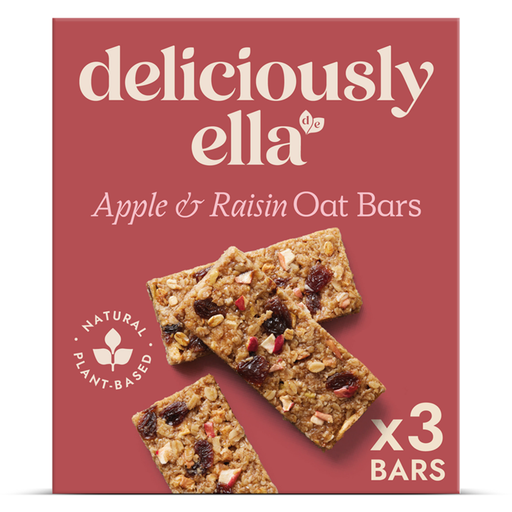 No image available
An oat-bar format in 50g portions. Compare its total fat per 100g with other bars, and check the exact pack if a guest needs a particular dietary or allergen status.
 No image available
Consider this named peanut variety only after checking the exact bar: the listing and accompanying product description identify different varieties. Confirm the pack’s ingredients, allergens and nutrition before putting it out for guests.
 No image available
A protein-bar option for guests choosing that format rather than assuming it is low fat. Check total fat per 100g and the current ingredient label; the product information identifies milk and soya as allergens.
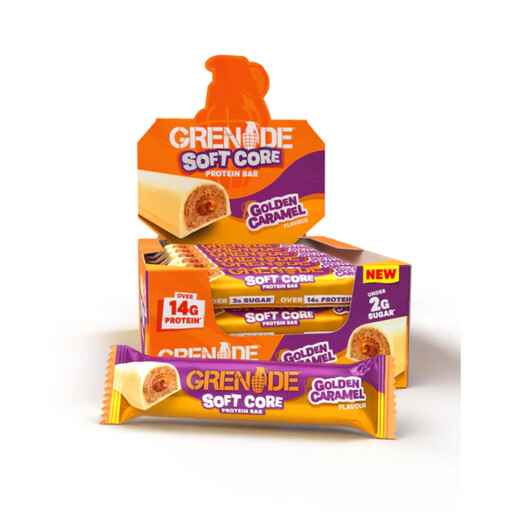 No image available
Another 50g protein-bar format for the party selection. Check its total fat per 100g separately from its protein content; the product information identifies milk and soya as allergens.
No. A comparison with another product does not establish that the bar meets the low-fat threshold. UK government guidance says a solid food claiming to be low fat must contain no more than 3g fat per 100g, so check total fat on the current pack.
Only if the specific bar meets the low-fat threshold. Nature Valley UK lists 27.1g fat per 100g for its Protein + Fibre Chocolate & Orange bar and 28.3g per 100g for its Peanut & Chocolate protein bar; protein content alone does not answer the fat question.
Yes, keep the original packaging accessible so guests can inspect ingredients and allergens. Food Standards Agency guidance for community events recommends retaining packaging for prepacked food when people with food hypersensitivities may need to check it.
Not as the only way for guests to identify them. Keep each variety’s original packaging available so people can check which bar they are taking and read its ingredients before choosing.