Packed-lunch shoppers comparing fat
If a bar is an addition to your ploughman's lunch, compare total fat and saturates per 100g across the bars you are considering. Then check the amount in one bar, since pack sizes and portions differ.


For a ploughman's lunch, compare snack bars by total fat and saturates per 100g, then check the figures for the bar you would actually pack. A lower-sugar or high-protein message does not establish that a bar is lower in fat; portion size, ingredients and allergens also matter when choosing between options.
If a bar is an addition to your ploughman's lunch, compare total fat and saturates per 100g across the bars you are considering. Then check the amount in one bar, since pack sizes and portions differ.
A sugar claim can help you compare sugar, but it cannot answer a separate question about fat. Read both figures on the nutrition panel before deciding whether an oat or cereal bar meets your main priority.
When an allergy or a vegan, gluten-free or dairy-free requirement affects the choice, check the exact flavour and current pack. Suitability can differ between products from the same brand.
Compare the nutrition panels on the same per-100g basis first. Use the per-bar figures to judge the portion going into your lunch, then check ingredients and allergens for the exact product.
| Priority | What to check | Your needs |
|---|---|---|
| Total fat and saturates | Compare both figures per 100g across bars. Check the per-bar amounts as well; the Food Standards Agency says traffic-light labels can help compare fat and other nutrients where provided. | I want to assess what the bar adds to a lunch that may already contain other fat-bearing foods, rather than relying on a front-of-pack message. |
| Claims and full nutrition | Read sugar, protein or fibre information for the attribute it describes, then check total fat separately. Graze Cocoa Vanilla Oat Boosts, for example, are listed by Tesco at 6.5g fat per 30g bar despite the range's lower-sugar positioning. | A lower-sugar or protein-focused bar interests me, but I do not want that claim to settle the fat comparison. |
| Portion size | Note the weight of one bar and the nutrition per bar. Use per-100g figures for like-for-like comparisons: a 30g bar and a 40g bar are different-sized portions. | I want to know what one packed portion contains, not just how two products compare at equal weights. |
| Ingredients and allergens | Read the ingredient list, emphasised allergens and any precautionary statements on the exact pack. Recheck when changing flavour or pack format. | The bar must fit the dietary requirements of whoever will eat the lunch; a general brand description is not enough. |
These describe different parts of a bar's nutrition. Nature Valley lists 11.8g fat alongside 10.4g protein per 40g Protein Salted Caramel Nut bar, so the protein figure does not answer a lower-fat buying question.
Compare total fat and saturates on the current label independently of sugar, protein and fibre claims.
A smaller portion can show less fat per bar without having less fat at an equal weight. Per-100g and per-bar figures answer different questions.
Use per 100g to compare products, then use the serving figure to assess the bar you plan to pack.
Ingredients vary by product. Nature Valley's Protein Salted Caramel Nut bar, for example, lists peanut, almond, soy and milk ingredients.
Check the ingredient and allergen information on the exact current pack, including when choosing another flavour.
An Alpen promotion referring to Alpen Light bars does not establish the formulation or fat content of a bar offered now.
Base a lower-fat comparison on the nutrition declaration for the exact product you intend to buy.
Brand ranges can point you towards formats to consider, but a fat comparison needs the figures for an individual bar. These references are separate from the Joybuy products below.
Graze sells Oat Boost flapjacks with lower-sugar positioning.
The range includes crunchy cereal bars and protein bars with different nutrition profiles.
Eat Natural lists fruit-and-nut, cereal and protein bars, including gluten-free and vegan options.
Nakd describes its fruit-and-nut bars as containing no added sugar or syrups and as suitable for vegans.
Alpen Light bars appear in the brand's historical promotional material.
These options include cereal bars that can be packed alongside a ploughman's lunch and a savoury pack of thins as a different format. Compare their current nutrition panels before calling any option reduced fat; the product name or a small portion alone does not establish that claim.
 No image available
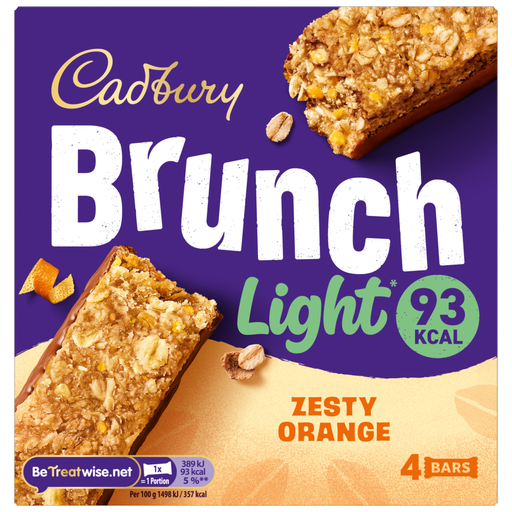
A four-pack to consider if you want to pack one cereal bar with lunch. Check total fat, saturates and sugars on the current pack rather than treating 'Light' as a complete nutrition comparison; check its allergen information too.
 No image available
The stated 21.5g bar size helps you identify the portion you would pack. Compare fat and saturates per 100g as well as per bar, and check sugars and allergens on the exact pack.
 No image available
This six-pack offers a stated 21.5g portion for a packed lunch. Check the current per-100g and per-bar fat figures before comparing it with the Red Berry variant; also read the sugar and allergen information.
 No image available
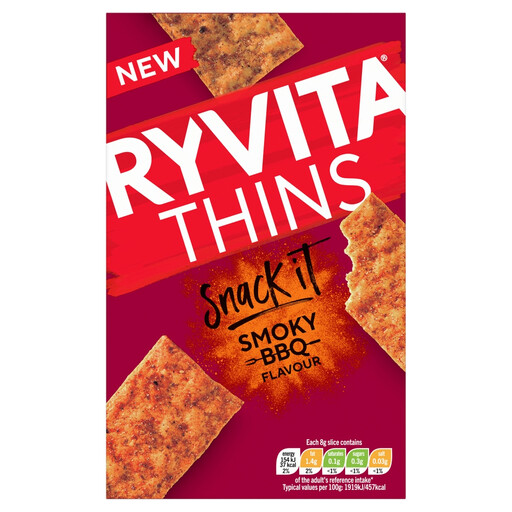
A savoury pack of thins rather than individually portioned bars. Decide how much you would take from the 125g pack, then use the current nutrition panel to assess that portion and check the ingredients for allergens.
No. A sugar claim describes sugar, not total fat. Tesco lists Graze Cocoa Vanilla Oat Boosts at 6.5g fat per 30g bar and 22g per 100g; compare fat and saturates separately when assessing a lower-sugar bar.
Start with total fat and saturates per 100g to compare different-sized bars, then read the per-bar figures and serving size for the portion you would pack. The Food Standards Agency says traffic-light labels can help compare nutrients where provided; read the full nutrition panel for the figures you need.
No. Nature Valley lists 10.4g protein and 11.8g fat per 40g Protein Salted Caramel Nut bar. If total fat is your deciding factor, compare its fat declaration with other bars rather than using its protein figure as a substitute.
Read the ingredient and allergen information on the exact current pack, including any precautionary statement. Ingredients can differ by variant: Nature Valley's Protein Salted Caramel Nut bar lists peanut, almond, soy and milk ingredients.
Use a product page to compare candidates, then check the pack you are buying for its nutrition, ingredients and allergens. Nature Valley advises checking the pack because products may be reformulated; that check matters especially when a specific nutrient figure or dietary requirement determines your choice.