Snackers comparing total fat
If you want a portioned sweet snack for the film, compare fat per 100g as well as per bar. A small bar can have a small per-bar figure without telling you how it compares with a larger one.


If total fat is your main criterion, compare bars per 100g before choosing a portion: Weetabix Cereals lists Alpen Light Chocolate & Fudge at 6.5g fat per 100g and 1.2g per 19g bar. A fruit-and-nut bar or protein flapjack may suit a different preference, but those descriptions do not tell you its fat content. For a movie night, also check how many bars you expect to eat, the sugars and saturates figures, and the current allergen label before sharing.
If you want a portioned sweet snack for the film, compare fat per 100g as well as per bar. A small bar can have a small per-bar figure without telling you how it compares with a larger one.
If guests have dietary restrictions or allergies, check each bar’s current ingredients and allergen statement. Vegan or gluten-free wording answers a different question from whether a product contains nuts, milk or soya.
If you prefer a protein bar, compare its total fat, saturates, sugars and bar weight separately. Protein positioning does not establish that a flapjack is lower in fat.
Start with the per-100g nutrition figures to compare different bars, then use the per-bar figures and pack label to decide what works for the amount you plan to serve.
| Priority | What to check | Your needs |
|---|---|---|
| Total fat | Compare declared fat per 100g on the same basis. Then check fat per bar and the number of bars you expect to eat. | I’m looking for a lower-fat choice, not relying on words such as “protein” or “natural” to tell me its fat content. |
| Portion size | Check the bar weight, servings in the pack and per-bar nutrition. For more than one bar, add the stated per-bar amounts together. | One small bar might suit me, but I may want more than one during a film. |
| Sugars and saturates | Read both figures per 100g and per bar; total fat alone does not describe the rest of the nutrition panel. Check the current pack’s traffic-light labelling where provided. | Lower total fat is my starting point, but I also want to compare sugars and saturates before choosing. |
| Sharing and allergies | Read the current ingredients, named allergens and any “may contain” statement. Assess vegan or gluten-free wording separately from allergy information. | I’m sharing the pack, so I need to check whether each guest can have that exact bar. |
Weetabix Cereals lists Alpen Light Chocolate & Fudge at 1.2g fat per 19g bar. Eating several bars changes the total even though the figure printed for one bar stays the same.
Decide how many bars you are likely to have, then use the per-bar fat, sugars and energy figures to assess that amount.
The product panels list 22g fat per 100g for TREK Cocoa Oat, 27.1g for Nature Valley Protein + Fibre Chocolate & Orange and 36.3g for Eat Natural Dark Chocolate & Peanut Protein Bar. Their positioning does not replace a fat comparison.
Choose for protein or dietary suitability if those features matter to you, but compare total fat and the other nutrition figures separately.
The bars discussed here include nut, peanut, milk, soya, oat or wheat ingredients or warnings. The Food Standards Agency explains that precautionary allergen labelling communicates possible unintended allergen presence.
Check the label on the pack you are buying for every guest with a relevant allergy; do not use vegan or gluten-free wording as a substitute.
A comparison of declared fat figures tells you how these particular bars differ; it does not establish what claim appears on an individual product’s pack.
For shopping comparisons, state the fat figures and their basis. Check the current pack if its “reduced fat” wording matters to your choice.
These figures describe the named bars, not every product made by each brand. Compare the exact variety and serving size on its current pack.
Alpen Light Chocolate & Fudge is a small cereal-bar example for comparing total fat.
Cocoa Delight is a fruit-and-nut cocoa bar for shoppers considering vegan or gluten-free options.
Cocoa Vanilla Oat Boosts offer a 30g oat-based portion.
Cocoa Oat is a protein flapjack for shoppers who want to compare protein-bar features with fat content.
Protein + Fibre Chocolate & Orange is a protein-and-fibre bar, rather than a shortcut to choosing by fat content.
Dark Chocolate & Peanut Protein Bar is a nut-and-chocolate option for shoppers considering a protein bar.
These cereal bars and one peanut-butter oat bar offer movie-night snack options. Compare their current nutrition and allergen labels against your own priorities; inclusion here does not establish a “reduced fat” claim.
 No image available
Consider this orange cereal bar if you want individually portioned snacks for the film. Check the current per-100g and per-bar nutrition figures rather than using “Light” in the name as a fat comparison, and read the allergen label before sharing.
 No image available
The 6 × 21.5g format lets you plan how many red-berry cereal bars to serve. Compare the pack’s fat and sugars figures on both a per-100g and per-bar basis, and check its allergen declaration for guests.
 No image available
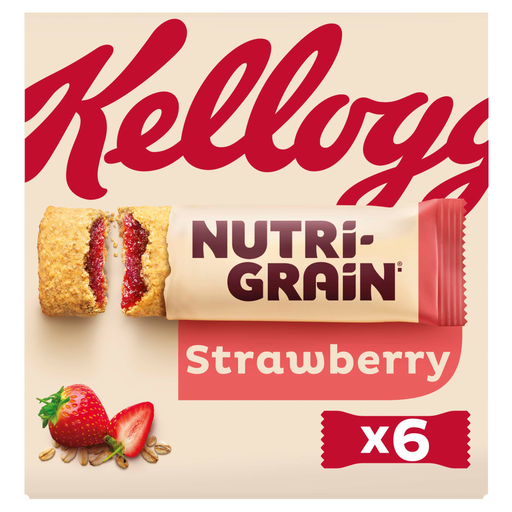
This strawberry bar comes in a six-pack with a stated total weight of 222g. Check the current nutrition panel for fat, sugars and the serving weight before comparing it with smaller cereal bars; review allergens if the pack is for sharing.
 No image available
If you want a chocolate-flavoured snack in a 6 × 21.5g format, compare this bar’s current fat, saturates and sugars figures with the other options. Use the number of bars you plan to eat when considering the per-bar values, and check allergens before sharing.
 No image available
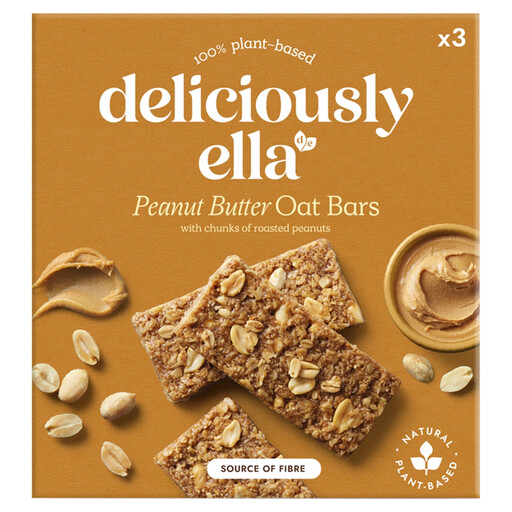
This 3 × 50g peanut-butter oat-bar format suits someone choosing that flavour and bar size rather than a small cereal bar. Compare its current fat figures before treating it as a lower-fat option, and check the full allergen statement before offering it to guests.
It is a useful starting point if reducing total fat is your main aim, but also check the bar weight and how many you plan to eat. Compare sugars, saturates and allergens before choosing a pack to share.
No: those descriptions do not give you a comparable fat figure. The named product panels list 14g fat per 100g for nākd. Cocoa Delight, 22g for TREK Cocoa Oat and 27.1g for Nature Valley Protein + Fibre Chocolate & Orange. Check the exact variety’s nutrition panel instead.
Total fat describes only one part of a bar’s nutrition panel. Action on Salt & Sugar’s November 2025 analysis of 458 snack bars across 10 major UK retailers reported that 55% were high in saturated fat and 37% were high in sugars under UK front-of-pack thresholds; those are proportions of products reviewed, not of shoppers. Check the figures for the bar you are considering.
Read the current pack’s ingredients, named allergens and any “may contain” statement for the exact variety. The Food Standards Agency explains that precautionary allergen labelling communicates possible unintended presence of regulated allergens; vegan or gluten-free wording does not replace that check.