TV snackers comparing fat
If you want a small bar alongside a TV dinner, compare total fat per 100g as well as the amount in the bar. Protein, fibre and natural-ingredient wording answer different questions.


For a lower-fat snack while watching TV, compare total fat per 100g first, then the amount in the bar you would eat. Sainsbury's listings give 6.4g fat per 100g for Eat Natural Red Fruits Soft Fruit Bar and 19g per 100g for TREK Original Oat Protein Flapjack; their bar sizes differ too. Check sugars, saturated fat and ingredients before choosing, and do not treat either product's place in this comparison as a reduced-fat claim.
If you want a small bar alongside a TV dinner, compare total fat per 100g as well as the amount in the bar. Protein, fibre and natural-ingredient wording answer different questions.
If vegan, gluten-free or dairy-free suitability matters, check the individual bar's ingredients and allergen information alongside its nutrition panel. A dietary label does not tell you its total fat.
If you usually pick a protein flapjack, compare its weight and fat per 100g with a smaller fruit bar. The protein description alone does not settle a lower-fat choice.
Start with like-for-like nutrition values, then look at the portion you would eat and any other requirements the bar needs to meet.
| Priority | What to check | Your needs |
|---|---|---|
| Total fat | Compare total fat per 100g across bars. Then check fat per bar and the bar's weight; different portion sizes can change a per-bar comparison. | I want to compare bars fairly before deciding how much of one to have while watching TV. Sainsbury's lists Eat Natural Red Fruits Soft Fruit Bar at 6.4g fat per 100g and 1.6g per 25g bar, versus 19g per 100g and 9.4g per 50g bar for TREK Original Oat Protein Flapjack. |
| Other nutrition values | Read sugars and saturated fat as well as total fat. Use the per-bar values to understand the portion; check calories per bar if they matter to your choice. | A lower total-fat figure is not my only consideration after dinner. In its 2025 assessment of UK supermarket snack bars, Action on Salt and Sugar reported that 37% were high in sugars and 55% high in saturated fat under UK front-of-pack traffic-light thresholds. These figures describe products, not shoppers' preferences. |
| Dietary suitability | Check the exact flavour's ingredient list, allergen declaration and any precautionary statements. Review dietary claims on that product rather than assuming they apply to a whole range. | I need the bar's ingredients to fit my requirements, whether I am looking for a vegan product or avoiding a particular allergen. The UK Food Standards Agency's allergen guidance includes cereals containing gluten, milk, peanuts, tree nuts and soybeans among ingredients that must be declared when present. |
| Pack claims | Identify which nutrient a claim describes. Check the current pack's total-fat value instead of treating protein, fibre, no-added-sugar or reduced-saturated-fat wording as a total-fat comparison. | If lower total fat is my priority, I want the nutrition table to answer that question. A claim about sugar or saturated fat does not give me the bar's total-fat figure. |
Protein, fibre or natural-ingredient wording does not describe every nutrient in a bar. Action on Salt and Sugar's 2025 assessment of UK supermarket snack bars found products classified as high in sugars or saturated fat under front-of-pack traffic-light thresholds.
Read the nutrition panel for total fat, sugars and saturated fat, and check the values for the portion you would eat.
Graze's statements about its Oat Boost flapjacks concern sugar compared with a cereal-bar set and a change in saturated fat since launch. Neither statement establishes the total fat of every current flavour.
Check total fat on the exact flavour's current pack if that is your deciding factor.
Sainsbury's listings describe the Eat Natural Red Fruits Soft Fruit Bar as 25g and the TREK Original Oat Protein Flapjack as 50g. Their per-bar fat figures therefore describe different-sized portions.
Use fat per 100g to compare the products, then fat and calories per bar to assess the portion you plan to have.
Bars can have different recipes and precautionary allergen statements, even within a brand range. Vegan or gluten-free wording does not replace a check for the particular ingredients you need to avoid.
Read the ingredients, declared allergens and precautionary wording on the individual pack.
These brand ranges offer different kinds of bars or useful points of comparison; inclusion here does not establish that a particular product is reduced fat.
Graze's range includes Oat Boost flapjacks.
Nature Valley UK lists Crunchy, Protein and Oaty & Crispy bars.
Alpen's cited UK product page presents Original and No Added Sugar mueslis.
Eat Natural makes fruit-and-nut bars and other cereal products.
nākd. presents fruit-and-nut bars with vegan and free-from positioning.
TREK's range includes plant-based protein flapjacks and protein bars.
These options include fruit bars and a crunchy oat-bar variety pack for a TV-time snack. Compare the current nutrition and ingredient information for each one against your own priorities; the selection does not represent every type of snack bar discussed above.
 No image available
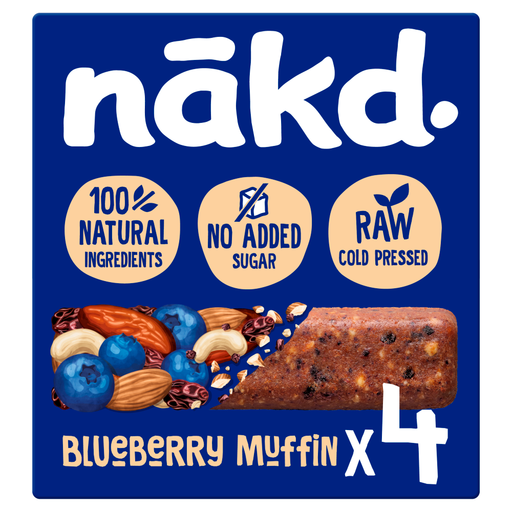
For a small TV-time bar, compare its total fat and sugars with other options using the current nutrition panel. The pack contains four 35g fruit-and-nut bars; check the ingredients for cashews and almonds and review any precautionary nut statement if relevant.
 No image available
If you prefer a one-bite fruit bar while watching TV, check both total fat and sugars on the current pack. This is the 80g Orange Sparkling Flavor variant; review its ingredients and sulphite declaration if those affect your choice.
 No image available
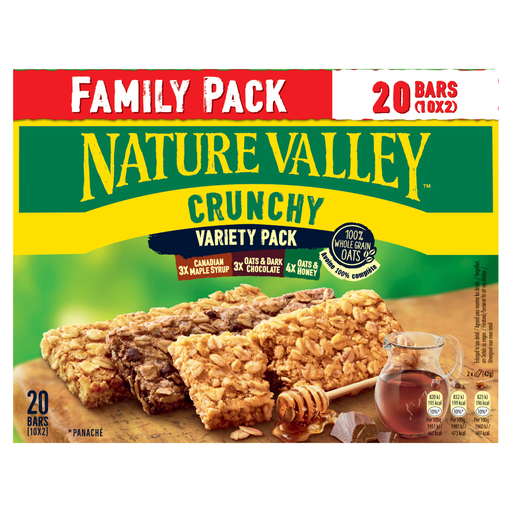
If a crunchy oat bar appeals for TV time, compare its total fat per 100g and per 42g pack unit with the fruit-bar options. This variety pack is listed as 10 x 42g; check each flavour's current nutrition and ingredient information rather than assuming they are identical.
No. Those descriptions concern other characteristics, so check total fat per 100g and per bar separately. Sugars and saturated fat merit their own look: Action on Salt and Sugar's 2025 assessment of UK supermarket snack bars found that 31% of bars carrying a high-fibre claim were also high in sugars under front-of-pack traffic-light thresholds.
Compare fat per 100g first, then fat and calories for the whole bar you might eat. Sainsbury's lists Eat Natural Red Fruits Soft Fruit Bar at 6.4g fat per 100g and 1.6g per 25g bar, compared with 19g per 100g and 9.4g per 50g bar for TREK Original Oat Protein Flapjack.
Read the individual bar's ingredient list, allergen declaration and precautionary statements. The UK Food Standards Agency identifies cereals containing gluten, milk, peanuts, tree nuts and soybeans among allergens that must be declared when used as ingredients. A vegan or gluten-free description is not a substitute for checking the particular allergen you need to avoid.
Not necessarily: a sugar claim does not state the bar's total-fat value. GOV.UK says nutrition claims must follow applicable rules, but for this buying comparison you still need to read total fat per 100g and per bar on the exact product. Do not read a reduced-sugar or reduced-saturated-fat statement as a reduced-total-fat claim.