Students with a firm low-fat requirement
Check total fat for the exact bar. The NHS guide for a low-fat food is 3g of fat or less per 100g; a smaller serving or a “reduced fat” claim does not establish that it meets this guide.


For a lecture-lunch snack, compare total fat per 100g before deciding whether a smaller bar is genuinely lower in fat. Eat Natural Red Fruits Soft Fruit Bar has the lowest declared fat among five named UK bars compared here, at 6.4g per 100g according to Sainsbury’s, but that exceeds the NHS low-fat guide of 3g or less per 100g; its label also declares 48.1g sugars per 100g. Check the portion you would eat, sugars and allergens rather than treating “reduced fat” or “no added sugar” as another way of saying “low fat”.
Check total fat for the exact bar. The NHS guide for a low-fat food is 3g of fat or less per 100g; a smaller serving or a “reduced fat” claim does not establish that it meets this guide.
Compare bars on a per-100g basis, then look at the weight of the bar you would eat. Sugars, fibre and the pack format may also matter when choosing what to take with you.
Vegan, gluten-free and dairy-free descriptions apply to particular products, not every bar from a brand. Check the current ingredients and allergen statement for the exact flavour.
Start with the per-100g nutrition panel to compare different bar sizes, then check the portion and ingredients of the bar you might buy.
| Priority | What to check | Your needs |
|---|---|---|
| Fat and label wording | Read total fat per 100g. The NHS low-fat guide is 3g or less per 100g; a reduced-fat claim compares a product with a similar one rather than stating that its fat content is low. Traffic-light colours can be a starting point, but read the figures too. | I want to know what the fat figure actually means, rather than choosing by the front of the pack. In a 2024 Northern Ireland survey of 611 interviewees, the Food Standards Agency and Ipsos Northern Ireland reported that 49% actively used traffic-light labelling when shopping for food; that figure is not specific to students or snack bars. |
| Portion and other nutrients | Compare total fat, saturates, sugars and salt per 100g, then read the per-bar values and bar weight. Check fibre on the same basis if it matters to your choice. | When bars come in different sizes, I want to compare like with like and then see the figures for the whole bar I plan to eat. |
| Ingredients and carrying | Check the exact flavour’s dietary description, ingredients and precautionary allergen statement. Look at the pack format and bar weight for carrying between lectures. | A bar needs to fit my dietary requirements and be practical to take to campus; its fat figure alone cannot answer either question. |
A reduced-fat claim is a comparison with a similar product. UK legislation describes a reduced-nutrient claim as a reduction of at least 30%, whereas the NHS low-fat guide for food is 3g of fat or less per 100g. “No added sugar” concerns a different nutrient.
If low fat is a firm requirement, check the exact bar’s total fat per 100g against the NHS guide instead of relying on a claim on the front.
A 25g bar and a 50g bar have different serving weights, so their per-bar figures do not give a like-for-like comparison of fat content.
Compare total fat per 100g first. Then check the per-bar figure for the portion you would actually eat.
Nature Valley UK declares 29.5g fat per 100g for its Protein Salted Caramel Nut bar, while Tesco lists 21g per 100g for TREK Smooth Lemon Protein Flapjack. Their protein positioning does not establish a lower-fat choice.
If protein or fibre is your priority, compare those figures alongside total fat rather than treating the product type as a fat claim.
Sainsbury’s lists 48.1g sugars per 100g for Eat Natural Red Fruits Soft Fruit Bar, despite its lower fat figure within the five-bar comparison. Ingredients and allergens can also rule out a bar that otherwise meets a nutrition preference.
After comparing fat, read sugars and fibre per 100g and check the current ingredients and allergen statement for the exact product.
A brand’s range can contain different types of bar; use the figures and ingredients for the particular product, not the brand name, to make the final comparison.
Its Oat Boost range includes flapjack-style bars.
The range includes oat, nut, protein and protein-and-fibre bars.
TREK offers plant-based protein bars and flapjacks.
Its range includes fruit-and-nut bars as well as other snack-bar formats.
The range includes fruit-and-nut and soft-fruit bars.
Alpen is associated with muesli, but an old bar name is not enough to identify a current snack-bar option.
These fruit-and-nut, oat and protein-bar listings offer different formats to consider for a lecture-lunch snack. Check each current pack’s nutrition and ingredients before treating any of them as a low-fat choice.
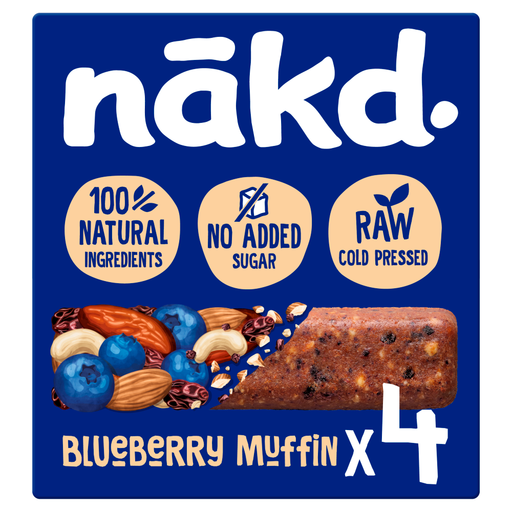 No image available
The four 35g bars offer a defined portion to carry between lectures. Compare total fat and sugars on the current pack, and check the nut ingredients against your requirements.
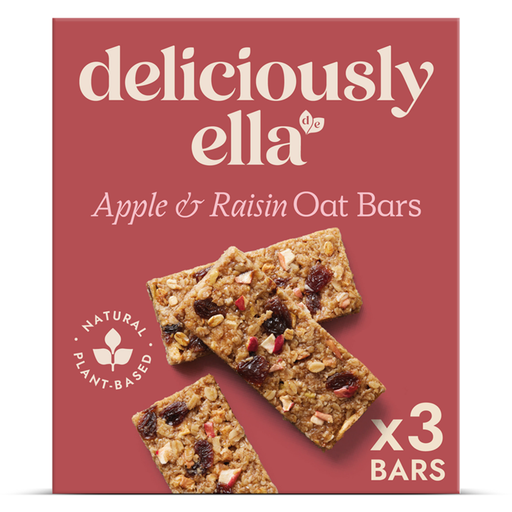 No image available
For an oat-bar option, this pack contains three 50g bars. Compare per-100g nutrition with other formats before looking at the figure for one bar, and read any precautionary allergen wording on the current pack.
 No image available
If a protein-bar format appeals for a lecture break, compare its fat, sugars and fibre per 100g as well as the portion in one 50g bar. Check milk and soya information and any pack suitability warnings, particularly for children or during pregnancy or breastfeeding.
 No image available
This pack contains twelve 50g protein bars. Use the current pack’s per-100g figures to compare fat and sugars with other bars, and check milk and soya information and any suitability warnings before choosing this flavour.
 No image available
For this twelve-pack of 50g protein bars, compare fat per 100g before deciding whether the portion suits your lecture-lunch plan. Check the current ingredient and allergen statement for peanuts, milk and soya, along with any suitability warnings.
No. UK legislation describes a reduced-nutrient claim as a reduction of at least 30% compared with a similar product, while the NHS low-fat guide for food is no more than 3g fat per 100g. Read the exact bar’s total fat per 100g to check the latter.
Compare fat, saturates, sugars and salt per 100g first so the bar weights do not distort the comparison. Then check the per-bar figures for the portion you expect to eat.
No. Tesco lists nākd. Peanut Delight as no added sugar but declares 23g fat per 100g for that product. Check total fat separately, as well as total sugars if they matter to your choice.
Read the ingredients and precautionary allergen statement on the current pack for the exact flavour. Nature Valley UK lists peanut, soya, almond and milk ingredients for its Protein Salted Caramel Nut bar; other bars and flavours need their own checks.