Families watching salt at tea time
You want to consider the salt in the pasta, cooking water and sauce separately, rather than judging the meal by the pasta packet alone.


For a lower-salt pasta tea, use plain pasta as the base, decide how much salt to add to the cooking water and compare sauces by the salt on their current labels. A jarred sauce can save preparation time, but ‘low fat’ and ‘no added sugar’ do not mean reduced salt; if a child needs to avoid wheat or gluten, check the exact pasta and sauce as well as any school allergy arrangements.
You want to consider the salt in the pasta, cooking water and sauce separately, rather than judging the meal by the pasta packet alone.
You need a quick tea and want to compare salt for the amount of sauce you will serve. A low-fat or no-added-sugar label answers a different question.
If a child needs to avoid wheat or gluten, check the exact pasta and sauce labels. Before packing the meal, check the school’s current allergy arrangements too.
For a child’s pasta tea, choose how you will manage sauce and cooking salt, then check any allergen requirements that apply.
| Concern | What to check | Who this matters to |
|---|---|---|
| Salt in the meal | Compare sauce salt per 100g and for the portion you plan to serve; decide how much salt to add to the pasta water. | If I’m trying to keep tea lower in salt, I want control over both the sauce and cooking water; about 46% of consumers put meal salt first. |
| Preparation time | Check the sauce’s heating instructions, serving size and storage directions for an opened jar. | When tea needs to be quick, I want a ready-made sauce that works for the portions I’m making. About 36% of consumers prioritise speed. |
| Allergens and school | Read the current ingredients and allergen information on both products; check the school’s arrangements before packing food. | For a child who must avoid wheat or gluten, I need suitable pasta and sauce, as well as a meal that fits the school’s arrangements; about 18% of consumers put these checks first. |
ASDA Groceries lists 0.67g salt per 100g for Dolmio Low Fat Bolognese, while Tesco lists 0.64g per 100g for its No Added Sugar Bolognese. Neither product name establishes that the sauce is reduced in salt.
Compare the salt line per 100g and the amount you intend to serve.
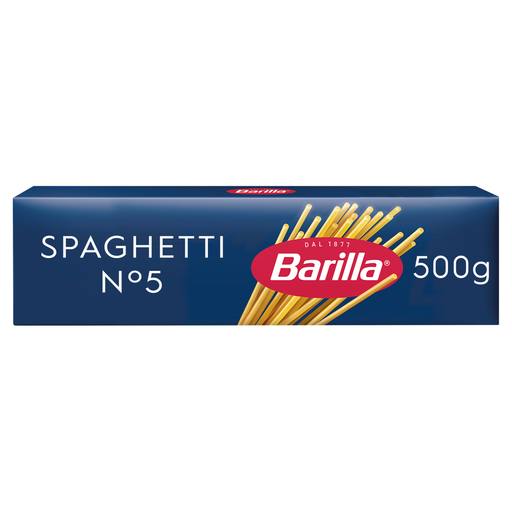
Barilla lists 0.013g salt per 100g dry for Spaghetti N°5, before seasoning. Its suggested cooking method adds salt to the water, and sauce is another part of the finished meal.
Make a separate decision about cooking salt, then check the sauce label for your planned portion.
Ordinary durum-wheat pasta contains wheat. Marks & Spencer says its Tomato and Basil Pasta Sauce is not suitable for people with a milk or egg allergy.
Where an allergy or coeliac disease applies, check the current labels and relevant cross-contact information for both products before serving or packing them.
An opened sauce jar may have storage instructions that affect whether the remainder can be used for another tea.
Follow the refrigeration and use-after-opening directions on the jar you buy rather than applying another product’s instructions.
If the remainder cannot be used within those directions, you may need to discard it.
Jarred Bolognese-style sauce for a meal with less sauce preparation.
Dried pasta and sauce that can be chosen separately.
Own-label jarred sauces with product-specific nutrition information.
Own-label Tomato & Herb Bolognese sauce for a jar-based pasta tea.
Own-label Bolognese sauce for a ready-made sauce route.
Pasta and sauce ranges that include Made Without Wheat pasta.
These selections include plain pasta to pair with a sauce, a gluten-free lasagne option and prepared pasta meals labelled for younger children. For a lower-salt tea, check the current salt and allergen information for the complete meal, not just the pasta product.
 No image available
Use this plain spaghetti when you want to choose the sauce and cooking salt separately. It contains durum wheat; check the current pack for allergens, cooking directions and salt information.
 No image available
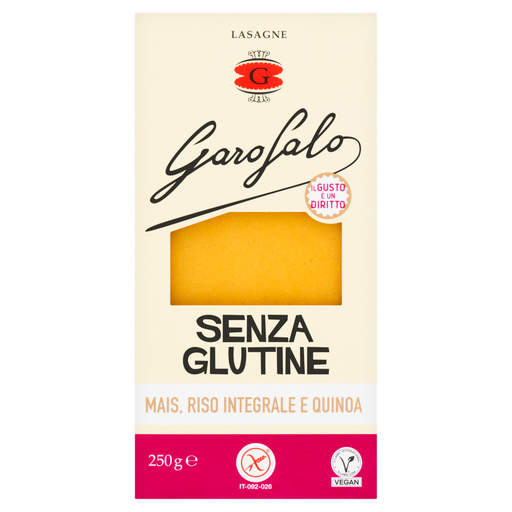
Consider this lasagne format when gluten-free pasta is needed. Check the current pack for allergen and cross-contact information, preparation directions and whether the planned sauce is suitable too.
 No image available
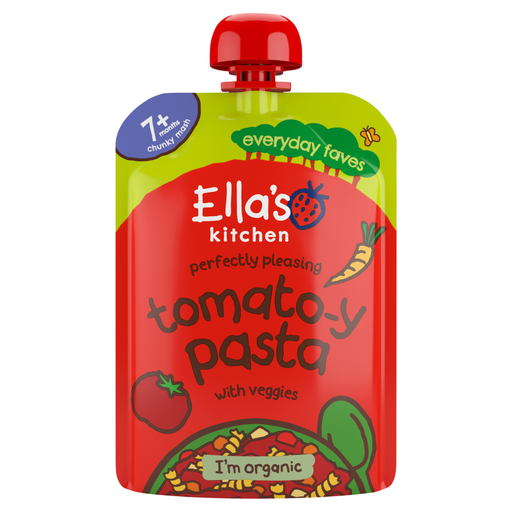
This prepared pasta is labelled for children from 7 months, rather than as a general school-age tea. Check its current salt and allergen information and whether the portion and texture suit the child.
 No image available
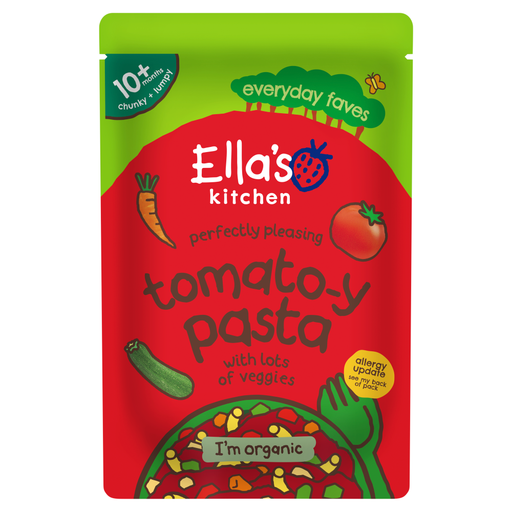
This prepared pasta-and-vegetable meal is labelled for children from 10 months. Check the current pack for salt and allergens; its stated age range alone does not establish that the portion suits an older child.
 No image available
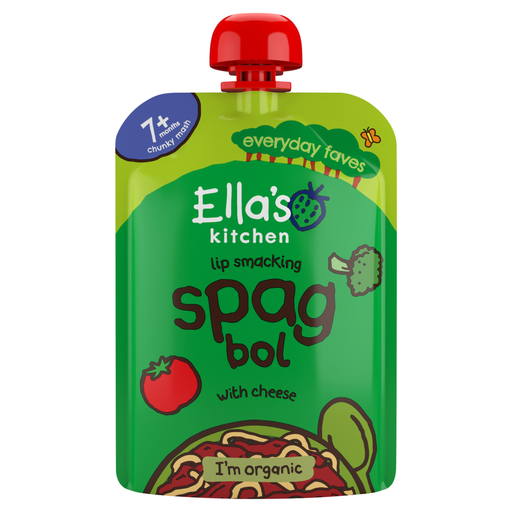
This prepared pasta meal is labelled for children from 7 months. Check its current salt information and whether its portion suits the child; the product information identifies wheat, egg and milk allergens.
Consider the sauce portion and any salt added during cooking alongside the pasta. The NHS lists maximum daily salt amounts of 3g for children aged 4–6 and 5g for ages 7–10; those figures apply to the whole day, not to one pasta meal.
No: those labels describe different properties. ASDA Groceries lists 0.67g salt per 100g for Dolmio Low Fat Bolognese, while Tesco lists 0.64g per 100g for No Added Sugar Bolognese. Compare the salt line on the exact sauce you intend to use.
You can reduce or omit cooking-water salt when making a lower-salt pasta tea. Barilla’s suggested method for Spaghetti N°5 adds salt to the cooking water, so treat that instruction as a separate choice and assess the sauce as well.
Check the current ingredients and allergen information for both pasta and sauce, especially if a child needs to avoid wheat or gluten. In England, Department for Education guidance requires schools to publish an allergy safety policy; check the individual school’s arrangements for food brought from home.
Follow the refrigeration and use-after-opening instructions on that particular jar. Storage directions can differ between sauces, so plan the next meal around the product you bought rather than another jar’s instructions.