Lower-salt recipe planners
If you are making the dish yourself, compare the dry pasta and sauce labels, then decide whether to salt the cooking water. NHS advice also suggests using less salt in cooking and adding flavour with herbs and spices.


For a pasta-based bake-sale dish, choose the pasta and sauce separately: check the pasta label, decide how much salt to add during cooking, and compare sauces by their salt values per 100g and the amount you will use. Conventional wheat pasta is unsuitable where gluten must be avoided; confirm the school’s allergen and packing requirements before preparing the dish.
If you are making the dish yourself, compare the dry pasta and sauce labels, then decide whether to salt the cooking water. NHS advice also suggests using less salt in cooking and adding flavour with herbs and spices.
If you are responsible for ingredient information or packing, check the school’s procedure before making a wheat-pasta dish. The Food Standards Agency identifies pasta as a food that can contain cereals containing gluten.
A prepared sauce may suit a shorter preparation window, but its current salt declaration, allergen information and storage instructions still matter. Check the pack you will use, especially if the sauce needs refrigeration.
For a school bake sale, settle the ingredient and handling requirements before choosing a pasta format or sauce for convenience.
| Concern | What to check | Who this matters to |
|---|---|---|
| Salt in the finished dish | Compare sauce salt per 100g and the amount you plan to use. Check the pasta label and decide whether to add salt to the cooking water. | If I am making the dish, I want to control salt across the pasta, cooking water and sauce rather than judge it from the dry pasta alone. About 39% of consumers put that salt control first. |
| Allergens and school rules | Check every ingredient’s current allergen information and ask the school about packing, ingredient information and cross-contact. | Before I prepare food for the event, I need to know whether the pasta and everything added to it fit the school’s allergen procedure. For about 38% of consumers, this is the primary concern. |
| Preparation and storage | Check whether the sauce needs chilling and follow its pack instructions for storage and use after opening. | When preparation and transport are tight, I need a sauce I can store and handle as its label directs. That practical need comes first for about 23% of consumers. |
Barilla lists 0.013g salt per 100g for its Spaghetti N°5, while its cooking instructions suggest adding salt to the water. Sauce and toppings are separate ingredients with their own salt declarations.
Check the quantities you will actually use, including any cooking salt, sauce, cheese and toppings, before assessing the dish.
Dolmio lists 0.67g salt per 100g for its Low Fat Bolognese Sauce, while M&S lists 0.73g per 100g for its Tomato and Hidden Veg Pasta Sauce. Those descriptions alone do not tell you whether a sauce meets your salt preference.
Compare the current nutrition panels on the same per-100g basis, then account for the amount going into the dish.
Barilla Spaghetti N°5 contains durum wheat semolina. A sauce choice does not change the wheat ingredient in conventional pasta.
If gluten avoidance is required, check the exact pasta and every addition, and follow the school’s instructions for allergen information and cross-contact.
M&S instructs shoppers to keep its Arrabbiata Sauce at 0°C to +5°C and eat it within 24 hours of opening. Those conditions may affect preparation and transport.
Match the sauce’s current pack instructions to the event timetable and your storage arrangements.
A sauce that cannot be stored or used within its labelled conditions may go to waste.
For a dry-pasta starting point, Barilla lists 0.013g salt per 100g for Spaghetti N°5, made with durum wheat semolina.
Dolmio’s Low Fat Bolognese Sauce is a prepared sauce to use with separately chosen pasta. Dolmio lists 0.67g salt per 100g and 0.75g per 112g portion.
The M&S sauces considered here include Tomato and Hidden Veg Pasta Sauce, listed at 0.73g salt per 100g, and Tomato and Mascarpone Pasta Sauce, listed at 0.90g per 100g.
These dry-pasta options cover wheat spaghetti for a separately planned sauce and a lasagne format labelled gluten-free. Check the current pack and the school’s requirements before using either route for a bake sale.
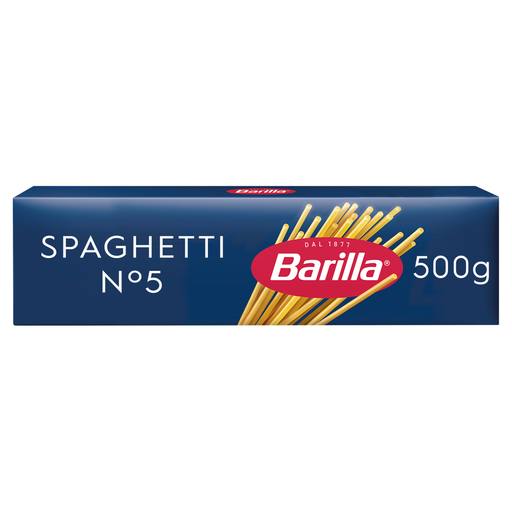 Image unavailable
A single pack of dry spaghetti suits a dish where you plan the sauce and cooking salt separately.
Check the current pack’s ingredients and allergen information, and confirm the school’s requirements before preparing wheat pasta.
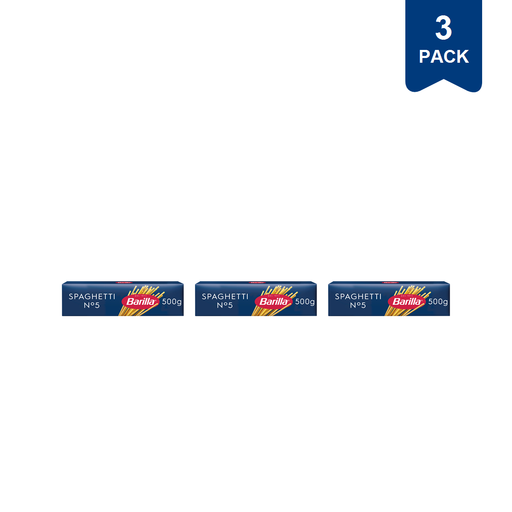 Image unavailable
This dry-spaghetti listing may suit a larger planned contribution if its pack count meets your needs.
The title identifies three packs, but confirm the total quantity on the listing and current packaging. Check the wheat-allergen information and plan the sauce and cooking salt separately.
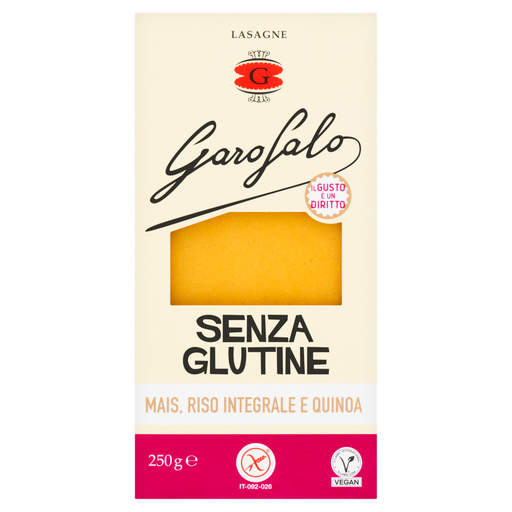 Image unavailable
This lasagne-format pasta is labelled gluten-free and offers a different recipe route from the wheat spaghetti above.
Check the current pack, preparation directions and every sauce or topping separately. The label alone does not establish that the finished dish meets the school’s allergen procedure.
Some dry pasta has a small listed salt value: Barilla states 0.013g per 100g for Spaghetti N°5. That figure is for the pasta product, not a finished dish made with cooking salt, sauce or toppings.
Using less or no added salt in the water is one way to control an addition to the recipe. Barilla’s Spaghetti N°5 instructions suggest salting the water, whereas NHS advice recommends using less salt in cooking and flavouring food with herbs and spices.
Not on the strength of that description alone. Compare the current labels per 100g and the amount you will use: Dolmio lists 0.67g salt per 100g for its Low Fat Bolognese Sauce, and M&S lists 0.73g per 100g for its Tomato and Hidden Veg Pasta Sauce.