Salt-conscious picnic planners
If salt is your main concern, consider the whole serving: cooking water, pasta, sauce, dressing and toppings. A claim on one component does not describe the finished dish.


Start with plain pasta cooked without added salt, then compare the sauce, dressing and toppings for the amount you plan to serve. Changing the pasta alone may make little difference to the finished dish if those additions contribute more salt. If you prepare a cold pasta salad ahead of the picnic, choose it only when you can keep it chilled until serving.
If salt is your main concern, consider the whole serving: cooking water, pasta, sauce, dressing and toppings. A claim on one component does not describe the finished dish.
If you prepare the dish before travelling, plan how to keep it cold. Food Standards Agency picnic guidance says foods normally kept in the fridge at home also need to be kept cool at a picnic.
If you also need a gluten-free or other specialist pasta, check the exact pack for dietary suitability and salt separately. A range name does not establish the salt content of an individual product.
| Concern | What to check | Who this matters to |
|---|---|---|
| Salt in the finished dish | Check whether the pasta figure assumes cooking without salt. Compare the sauce or dressing per 100g and for the amount you will use. | If I am trying to limit salt, I need to account for seasoning and toppings as well as the pasta itself. About 36% of consumers put direct control of the dish's salt first. |
| Cold transport | Check which prepared ingredients need refrigeration and whether you can carry them in a cool bag or box with ice or frozen gel packs. | A made-ahead pasta salad is practical for me only if I can keep it cold on the journey and at the picnic. Keeping prepared food chilled is the primary concern for about 29% of consumers. |
| Dietary and serving fit | Read the exact ingredient and allergen information; choose a pasta format suitable for the dish you intend to make. | If I need a particular dietary option or pasta format, it must work for the people eating the dish; I still need a separate salt check. This fit comes first for about 21% of consumers. |
| Portions and storage | Use the pack's stated serving basis to plan quantities, and follow storage instructions after preparation or opening. | When I am feeding a group, I want enough pasta without preparing more chilled food than I can manage. Portion and storage planning leads the choice for about 14% of consumers. |
“Low fat”, vegetarian and preservative-free describe different characteristics; none establishes that a sauce contains less salt.
Compare salt on the exact product label per 100g and for the quantity you will put in the dish.
Sainsbury's lists less than 0.01g salt for a 200g serving of its spaghetti cooked without salt. ASDA lists 0.73g for a quarter-jar serving of its Tomato & Garlic Pasta Sauce. These are different components with different serving bases.
Work out what each component contributes to the portion you intend to serve, including any added seasoning or toppings.
A prepared pasta salad that normally needs refrigeration also needs to be kept cool at a picnic, according to Food Standards Agency guidance.
Plan chilled transport before preparing it, and keep the container closed and out of direct sunlight where possible.
A cool bag or box and ice or frozen gel packs add equipment to carry.
Tesco warns that food ingredients, nutrition information and allergens can change through reformulation. An earlier listing may not describe the pack you buy.
Read the current pack label, particularly when salt content or an allergen affects your choice.
Ready-to-use pasta sauces, including a Bolognese Original Low Fat sauce listed by Tesco.
Dry pasta and red sauces, including Arrabbiata, Basilico and Pomodoro in Barilla's UK range.
A retailer where shoppers can compare branded and own-label pasta-sauce listings.
Own-label dried pasta with nutrition information that states its cooking basis.
Own-label dried pasta and pasta sauce with separately stated serving information.
A pasta range that includes high-protein and gluten-free options, according to Marks & Spencer.
These selections cover a gluten-free dried pasta and a konjac noodle alternative. Check how each fits the picnic dish you plan to make, alongside the salt contribution of any sauce or toppings.
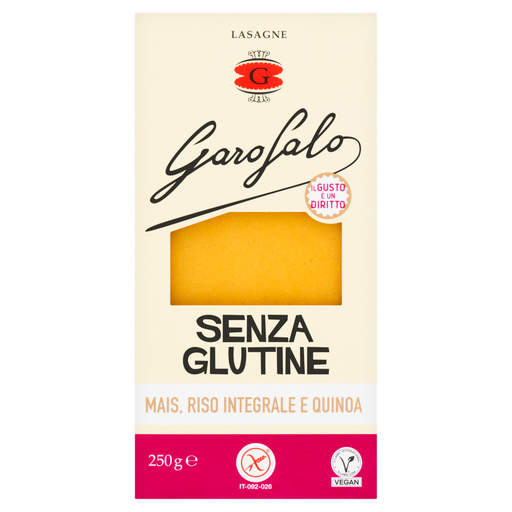 Image unavailable
Consider these lasagne sheets if you need a gluten-free pasta format and have a dish in mind that uses them. Check the current pack's salt serving basis and preparation directions; a lasagne format should not be assumed to suit a cold pasta salad.
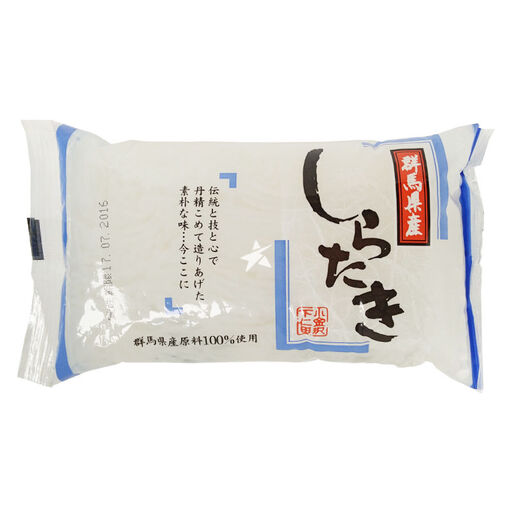 Image unavailable
Consider this konjac noodle alternative if you want a different base rather than conventional dried pasta. Check the current pack for the salt figure's serving basis and follow its refrigeration instructions after opening; keep any prepared picnic portion chilled.
No. Check the pasta, sauce, dressing and toppings for the amounts you will serve. Where a UK traffic-light label is present, its salt colour can help you compare that product, but it does not describe the complete dish.
No; if controlling added salt is your priority, you can cook the pasta without it and use herbs, spices, garlic, chilli or lemon for flavour. Check the preparation basis when comparing a pack's stated salt figure with your dish.
Yes, if you can keep ingredients that normally need refrigeration cool until serving. The Food Standards Agency advises keeping such picnic foods cool; Food Standards Scotland recommends a cool bag or box with ice or frozen gel packs distributed through it.
It can be considered after you compare its salt label and decide how much to use; do not assume an ordinary tomato sauce is reduced salt. ASDA lists 0.73g salt per quarter-jar serving of its Tomato & Garlic Pasta Sauce, so include the sauce portion when assessing the finished dish.
Use it to shortlist products, then check the current pack's ingredients and allergen information. Tesco warns that these details can change when a product is reformulated.