Salt-first Christmas meal planners
If the sauce’s salt contribution is your main concern, compare the figures per 100g and for the amount you expect to serve rather than choosing by brand or pack format.


For a Christmas pasta meal where salt is the priority, compare sauces and tomato bases by salt per 100g, then check how much you plan to use. A plain tomato base gives you more control over added seasoning, while a ready-made sauce or stir-in pot saves preparation; neither its flavour name nor its pack size tells you how much salt it contains.
If the sauce’s salt contribution is your main concern, compare the figures per 100g and for the amount you expect to serve rather than choosing by brand or pack format.
A ready-to-heat jar or stir-in pot can simplify a busy meal. Check its salt panel separately: quicker preparation does not establish a lower salt content.
Match the pack and serving count to your meal, then check how the sauce must be stored and used after opening.
Start with salt per 100g for a like-for-like label comparison, then consider the portion, preparation and opened-pack instructions that fit your meal.
| Concern | What to check | Who this matters to |
|---|---|---|
| Salt comparison | Compare salt per 100g on the exact packs, then work out the contribution from your intended portion. | If I am choosing sauce chiefly to limit its salt contribution, a familiar tomato flavour is not enough to decide. About 46% of consumers would put salt comparison first. |
| Portions and storage | Check the serving count and the refrigeration and use instructions after opening. | For a shared Christmas meal, I need enough sauce without leaving more than I can use afterwards; about 27% of consumers would make portion and storage planning their primary concern. |
| Preparation time | Check whether the sauce needs heating and how much cooked pasta the pack is intended to cover. | When cooking time is tight, I may prefer a sauce that can be stirred into hot pasta. Speed would come first for about 18% of consumers. |
| Ingredients and allergens | Read the current pack’s ingredients and allergen information, especially when cooking for someone with a relevant allergy. | Before serving guests, I need to know whether the exact sauce meets their ingredient requirements. About 9% of consumers would prioritise that certainty. |
Products with similar flavour names can have different salt figures. In the checked retailer listings, Waitrose & Partners lists 0.43g per 100g for its Cherry Tomato & Basil Pasta Sauce, while ASDA Groceries lists 1.3g per 100g for Dolmio Stir In Tomato and Basil.
Compare the exact packs per 100g, then account for the amount of sauce you will serve.
A sauce with less listed salt than another is not automatically a product labelled 'reduced salt'. GOV.UK explains that nutrition claims are subject to rules.
If the formal claim matters to you, check the wording on the current pack; otherwise, use the nutrition figures for your own comparison.
The checked stir-in sauces are convenient formats, but ASDA Groceries lists 1.1g salt per 100g for its Tomato & Basil Stir-In Sauce and 1.3g per 100g for the Dolmio product it sells.
Choose the format for its preparation method, then compare its salt figure with any jar or tomato base you are considering.
Serving counts and refrigerated use periods differ between products. A jar that suits the main meal may leave sauce that needs using soon afterwards.
Plan portions before buying, and follow the storage and use instructions on the pack you open.
Dolmio offers ready-to-use sauces and stir-in formats for meals where preparation time matters.
Barilla offers a Bolognese base for shoppers who want to add other ingredients to a pasta dish.
ASDA’s own-label range includes a small ambient tomato-and-basil stir-in pot.
These products cover a tomato cooking base, ready-made tomato sauces and a carbonara pasta-bake sauce. Compare the current pack’s salt panel and ingredients for the meal you have planned; the different sauce types should not be treated as interchangeable.
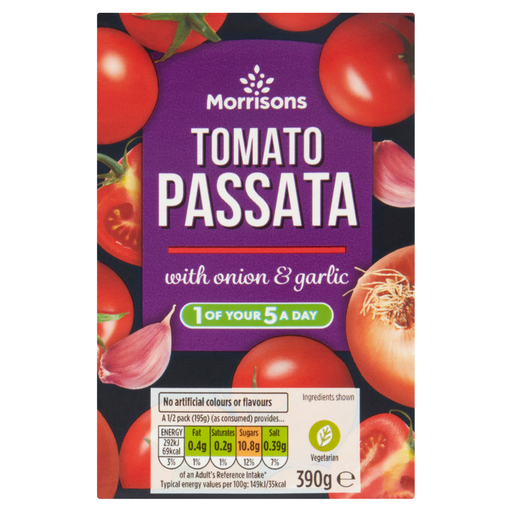 Image unavailable
A tomato base for a pasta meal when you would rather add your own seasoning than use a finished sauce. The 390g pack is described as two portions; plan to refrigerate any remainder and use it within two days of opening. Check the current salt panel before comparing it with a ready-made sauce.
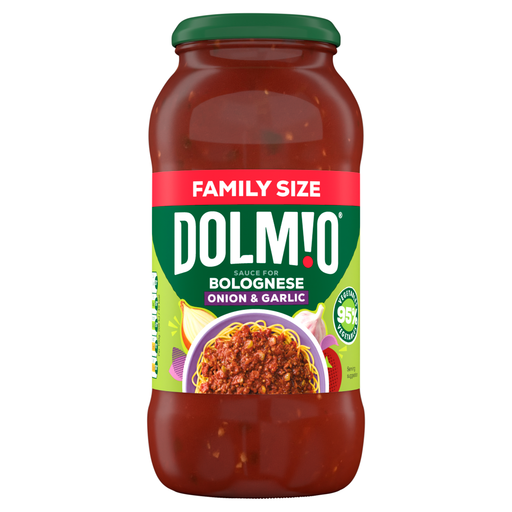 Image unavailable
A ready-made tomato sauce to consider when planning a larger pasta meal. Its 675g pack still needs a salt-panel comparison with the other sauces on your list; the Bolognese name does not establish a reduced-salt claim. Refrigerate after opening and use within three days.
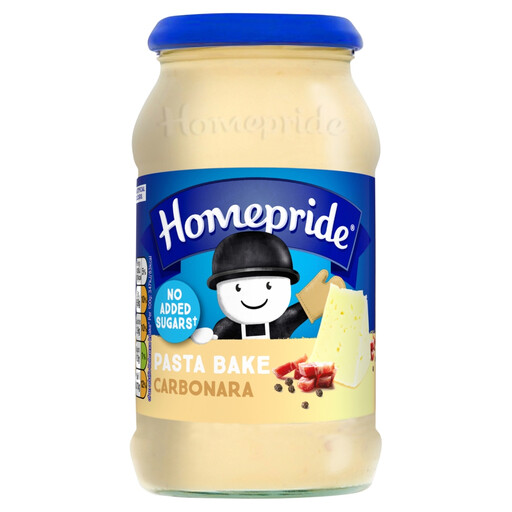 Image unavailable
A 485g carbonara sauce for a planned pasta bake, rather than a tomato-and-basil meal. 'No Added Sugar' in its name says nothing about its salt content: check the salt panel for the portion you intend to serve. Check the current allergen information for barley, celery, eggs and milk, and use within three days of opening if refrigerated as directed.
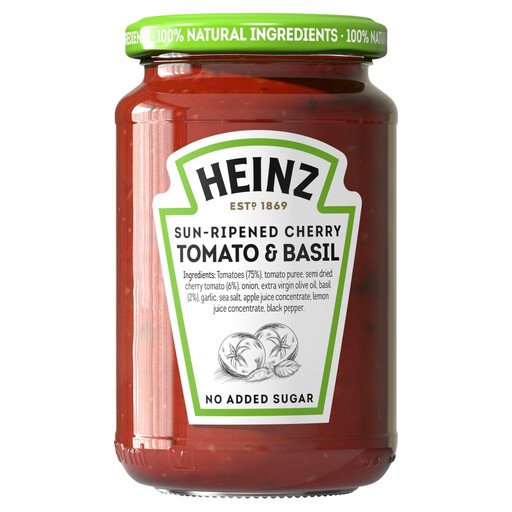 Image unavailable
A 350g ready-made sauce for a tomato-and-basil pasta meal; its preparation instructions describe heating and serving with pasta. Compare the current salt figure per 100g, then use the amount you plan to eat to judge the portion. Follow the pack’s refrigeration and use instructions after opening.
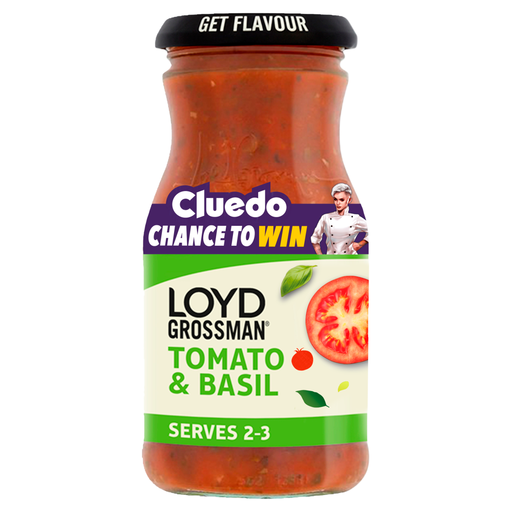 Image unavailable
A 350g tomato-and-basil sauce for pasta. Compare its current salt panel with other jars rather than relying on the flavour name. The listing gives conflicting allergen information, including a 'May contain nuts' warning: check the pack carefully if buying for someone with an allergy. Refrigerate after opening and use within three days.
No. It tells you that the checked product lists less salt than the one you compared it with. GOV.UK explains that nutrition claims are subject to rules, so check the pack for a formal claim if that distinction matters to you.
Add ingredients such as herbs, garlic or chilli to suit the meal. The NHS suggests herbs, spices, garlic, chilli and lemon as alternatives to adding salt; still check the tomato base’s own nutrition panel when comparing products.
Yes. Ingredients and allergen information can change, so read the exact current pack before serving someone with an allergy or intolerance. A previous purchase or an online product name is not a substitute for that check.
Follow that jar’s instructions after opening. The checked Waitrose & Partners examples specify different refrigerated use periods, so plan the leftover portions around the product you actually buy rather than assuming one rule applies to every sauce.