For a lower-salt Italian night, compare the sauce or tinned tomato product you will use, the amount served and any salt added during cooking; a reduced-salt label alone does not tell you how much salt is in the finished meal. Plain dried pasta lets you decide how to season the cooking water, while a ready-made sauce saves preparation time if its salt figures, ingredients and serving size suit your meal.
Who is this for?
Italian-night hosts watching salt
If you are planning the whole meal, the sauce, tinned base, cooking water and toppings all deserve attention—not just the pasta. The NHS advises accounting for salt already in food as well as salt added during cooking or at the table.
Shoppers choosing a quick sauce
A jar or ready-made meal can reduce preparation time. Compare the salt figures for the portion you expect to serve, and check the ingredients and allergens on the exact product.
Cooks starting with plain pasta
Plain dried pasta with a tomato-and-herb sauce or tinned-tomato base gives you control over what you add during cooking. Allow time to prepare the sauce and build its flavour without automatically adding salt.
What matters when choosing?
For an Italian-night pasta meal, assess the sauce or tinned base, the portion you will serve and any seasoning added during cooking. Compare salt figures on the exact packs rather than treating a front-of-pack description as the whole answer.
| Concern |
What to check |
Who this matters to |
| Salt across the meal |
Compare salt per 100g and per serving on the sauce or tin; account for cooking-water salt and toppings. |
If I am trying to manage salt across dinner, choosing plain pasta is only part of the decision. About 36% of consumers put whole-meal salt control first. |
| A quicker sauce |
Check the ready-made sauce’s salt declaration and serving size; a reduced-salt claim does not mean salt-free. |
When I need dinner ready sooner, I want a convenient sauce without relying on its front label alone. Convenience is the primary need for about 29% of consumers. |
| Flavour and ingredients |
Choose a sauce style for the dish and read the ingredient and allergen declarations for that variant. |
I want the sauce to work with the pasta and my guests’ ingredient needs, while keeping added salt in mind. About 21% of consumers put flavour and ingredient fit first. |
| Pack size and shopping |
Check the pack’s stated servings and current product details when deciding how much sauce to use. |
If I am serving a group, I need a practical pack size and a product I can obtain for the meal. Those shopping considerations come first for about 14% of consumers. |
What should you avoid assuming?
-
“Reduced salt” means salt-free
A reduced-salt claim describes a comparison, not the absence of salt. The amount in the portion you serve still matters.
Read the salt figures per 100g and per serving, then compare the product with a similar alternative.
-
Plain pasta settles the salt question
Salt added to the cooking water and sauce changes the meal beyond the pasta’s own declaration. Barilla’s Spaghetti N°5 cooking guidance, for example, calls for salting the water.
If you want to limit added salt, consider reducing or omitting it from the water. The NHS suggests herbs, spices, garlic, chilli or lemon juice as other ways to add flavour.
-
“No added sugar”, “low fat” or tomato-based means lower salt
Those descriptions do not state how much salt a particular sauce contains.
Use the current product’s salt declaration and the portion you plan to serve as your comparison.
-
Every pasta sauce has the same allergens
Ingredients differ between variants. M&S, for example, describes its tomato-and-mascarpone sauce as containing mascarpone cheese.
Check the full ingredient and allergen declaration on each exact product, particularly when serving guests with allergies.
Brands to consider
Dolmio
Dolmio offers pasta-sauce and ready-meal formats for a quick Italian-style meal.
- Its UK range includes Bolognese sauce and a rigatoni Bolognese ready meal.
- A low-fat description does not establish the salt content. Check the exact pack’s salt and allergen information.
Barilla
Barilla offers dried pasta and several red-sauce styles that can be selected separately.
- Barilla lists Spaghetti N°5 alongside sauces including tomato, Bolognese and ricotta styles.
- Its pasta-water salting guidance is separate from the pasta’s own salt figure. Decide how much salt, if any, to add during cooking.
Tesco
Tesco lists own-brand and branded Italian pasta sauces for comparing individual packs.
- Its pasta-sauce listings include Tesco and Dolmio products.
- Tesco advises reading the product label because ingredients and nutrition information can change.
Sainsbury's
Sainsbury's lists own-brand tomato-based pasta sauces alongside branded options.
- Its listings include Tomato & Herb Bolognese and Onion & Garlic pasta sauces.
- Neither the sauce style nor a no-added-sugar description establishes that a variant has less salt; compare its nutrition panel.
M&S
M&S offers tomato-and-basil and tomato-and-mascarpone pasta-sauce options.
- These give shoppers different sauce styles to consider for the same pasta dish.
- The mascarpone variant contains cheese. Check ingredients and allergens rather than assuming the sauces have the same profile.
Plain pasta selections on Joybuy
These spaghetti packs provide the plain pasta component for an Italian night. Choose a sauce or tinned-tomato base separately, and check its salt declaration alongside any seasoning you add.
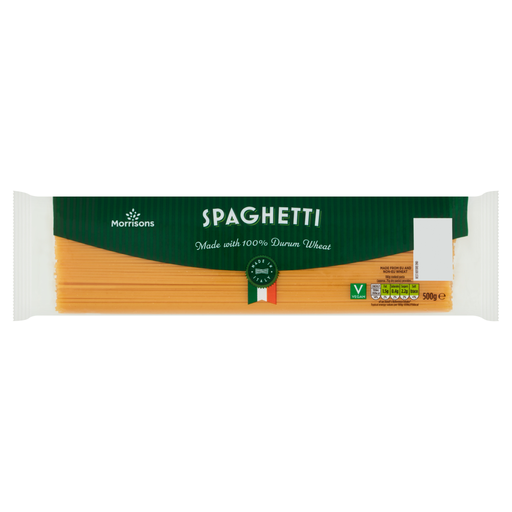 Image unavailable
Morrisons Spaghetti 500g
This spaghetti is a pasta base for a shared meal; decide separately how much sauce and cooking-water salt to use.
500g pack. Check the current pack’s salt declaration, ingredients and allergens before buying.
View on Joybuy
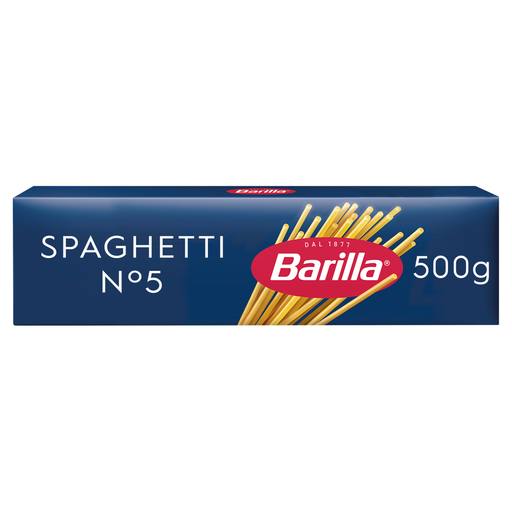 Image unavailable
Barilla Spaghetti 500g
Use this spaghetti with a separately chosen tomato-based or other sauce, checking the sauce’s portion and salt figures.
500g pack. The salt in the finished dish also depends on the cooking water and toppings; check the current pack’s ingredients and allergens.
View on Joybuy
 Image unavailable
Napolina Spaghetti 500g
Pair this spaghetti with a sauce or tinned-tomato base whose salt figures suit the portion you intend to serve.
500g pack. Check the current pasta label for salt, ingredients and allergens; the pasta alone does not establish the finished meal’s salt content.
View on Joybuy
Questions about lower-salt pasta meals
Does “reduced salt” mean a sauce is salt-free?
No. It is a comparative claim, not a statement that the sauce contains no salt. Read the salt figures per 100g and per serving to judge the exact product and the amount you will use.
Is plain dried pasta the main salt consideration?
Not necessarily. Barilla lists 0.013g salt per 100g as sold for its Spaghetti N°5, before cooking. The sauce, salt added to the water and toppings are separate parts of the meal to check; do not apply that figure to other pasta products.
How much salt does the NHS advise for adults?
The NHS advises adults to have no more than 6g of salt a day. That includes salt already in food and salt added during cooking or at the table.
Does “no added sugar” identify a lower-salt pasta sauce?
No. It describes sugar, not salt. Check the exact sauce’s salt declaration and serving size, then compare it with a similar product.
What should I check when serving a creamy sauce to guests?
Read the exact product’s ingredient and allergen declaration. Creamy recipes can contain milk ingredients: M&S describes its tomato-and-mascarpone sauce as containing mascarpone cheese.


