Christmas cooks reducing added salt
You are making porridge, baking or savoury oat dishes around Christmas and want plain oats so that seasoning can be controlled across the finished meal.


Choose plain, single-ingredient rolled oats when you want the greatest control over salt and toppings in Christmas dishes or breakfasts. Quaker, Jordans and Waitrose examples in the supplied product information list between 0g and 0.03g salt per 100g; quick sachets and smooth oat cereals can also fit a lower-salt choice, but check both the per-100g figure and the prepared serving.
You are making porridge, baking or savoury oat dishes around Christmas and want plain oats so that seasoning can be controlled across the finished meal.
You want microwave sachets or pots, but need to compare plain oat options with flavoured or enriched formats by checking salt per 100g and per prepared portion.
You need to assess the exact pack because allergen and cross-contact statements can vary between oat products and manufacturers.
Choose this when: You are making porridge, flapjacks or savoury oat dishes and want to decide the seasoning yourself.
Consider: Salt from stock, cheese, sauces, cured meat or table seasoning becomes part of the finished recipe.
Choose this when: Preparation time matters and a portioned breakfast is more useful than a large bag of oats.
Consider: Check the ingredients and the nutrition for both the dry product and the prepared serving.
Choose this when: You prefer a smooth breakfast cereal rather than the texture of rolled oats.
Consider: A smooth, fortified cereal has a different ingredient profile and may not suit recipes that rely on coarse oat texture.
| Priority | What to check | Your needs |
|---|---|---|
| Salt comparison | Compare salt per 100g first. The NHS defines low salt for solid foods as 0.3g or less per 100g; then check the prepared serving where shown. | I want to compare a bag, sachet and prepared bowl on the same basis before deciding which is lower in salt. |
| Ingredient control | Look for a short ingredient list where you want to control seasoning. Check whether flavourings, milk or sugar are included. | For cooking, I want oats that leave room to season the finished dish after tasting. |
| Convenience format | Check the product's stated preparation method, portion size and salt declaration. Compare dry-product and prepared-bowl figures where both are provided. | I need a quick breakfast, but still want to know what is in the sachet or pot. |
| Allergen information | Read the current pack's ingredients, allergen statement and any cross-contact wording. Check for explicit dietary labelling where it is required. | I cannot assume that ordinary plain oats meet a gluten-related, wheat/barley or nut-related requirement. |
Salt can vary by exact product and preparation. Quaker Original sachets list 0g salt per 100g, while Mornflake Oats 2 Go Original lists 0.15g per 100g; flavoured and protein formats can differ further.
Read the nutrition table for the exact variant. Compare salt per 100g, then check the prepared serving before choosing a multi-pack.
The NHS includes salt already in food as well as salt added during cooking and at the table in its daily guidance.
Begin with plain oats, taste the completed recipe, and consider herbs, spices, garlic, chilli or lemon before adding salt.
Plain oats can still carry wheat, barley or nut cross-contact warnings depending on the manufacturer and product.
Check the current retailer listing and the pack in hand for ingredients, allergen emphasis and any free-from wording rather than relying on a brand name or an older pack.
A UK retailer own-label reference for plain rolled oats with a clear ingredient list and salt declaration.
A broad porridge range covering traditional rolled oats and original microwaveable sachets.
Plain organic and chunky rolled-oat options for shoppers seeking a simple wholegrain ingredient list.
A UK oat miller with bagged porridge oats and convenience pot formats.
An Irish oat brand available in the UK with plain and quick oat products.
Joybuy product options for plain rolled oats, quick oat sachets and smooth oat cereal in this lower-salt porridge-oat guide.
 Image unavailable
A plain rolled-oat option for porridge, baking and savoury oat dishes where you want to control seasoning.
The listing states 100% rolled oats and 0g salt per 100g, with stovetop and microwave preparation.
May contain wheat and barley; salt added through milk, stock, cheese, sauces or seasoning is separate from the product declaration.
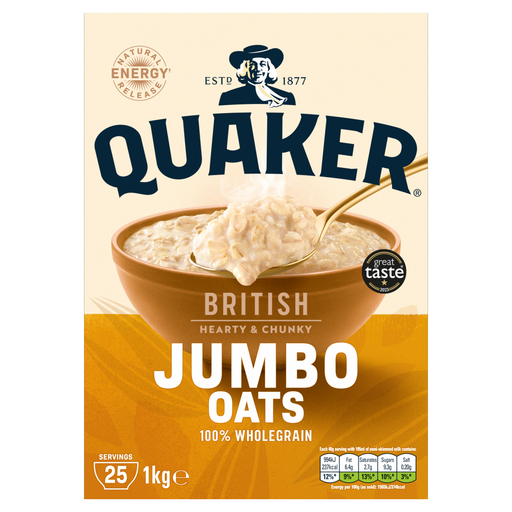 Image unavailable
A plain jumbo-oat choice for porridge, overnight oats or baking where seasoning needs to remain adjustable.
The listing states 100% wholegrain oat flakes and 0.01g salt per 100g.
May contain traces of wheat; check the current pack if wheat or gluten-related requirements apply.
 Image unavailable
A quick option for a lower-salt breakfast when individual microwaveable sachets suit the routine.
The listing describes wholegrain oat sachets with a 2½-minute microwave method and states 0g salt per 100g.
Check the current pack's per-sachet and prepared-bowl salt figures before buying, and note that sachets are less flexible for recipes needing variable portions.
 Image unavailable
A plain oat base for regular breakfasts or recipe use when you want to choose the seasonings separately.
The listing states 100% organic wholegrain oat flakes and less than 0.01g salt per 100g.
The product is not presented as suitable for a medically necessary gluten-free diet; check the pack if the oat texture matters for a particular recipe.
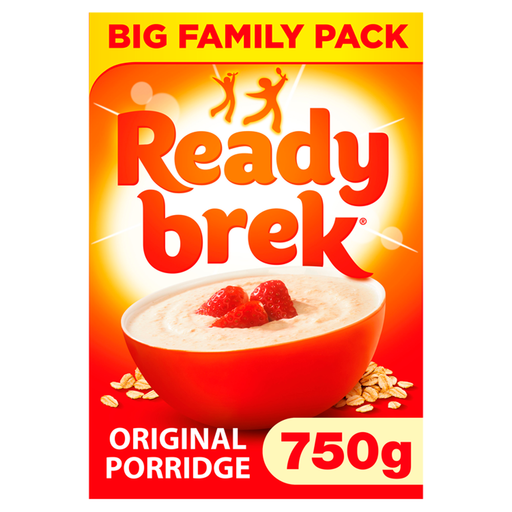 Image unavailable
A smooth oat cereal for shoppers who prefer a different texture from coarse rolled oats.
The listing states 0.03g salt per 100g and no added salt or sugar, with calcium, iron and listed vitamins.
It contains oat flour and added micronutrients, so it is not a like-for-like replacement for rolled oats in recipes needing oat texture; check the current pack for allergy requirements.
For solid foods, the NHS defines low salt as 0.3g salt or less per 100g. Compare products using the per-100g figure first, then check the prepared serving because milk and serving size can change the amount eaten.
Plain oats can make it easier to control seasoning because you choose what is added to the recipe. Waitrose, Quaker and Jordans examples in the supplied product information list 0g or 0.03g salt per 100g, but stock, cheese, cured meat, sauces and table salt can change the finished dish.
No. No added salt describes the formulation, while the nutrition panel shows the total salt declared for the product. Ready Brek Original, for example, is described as having no added salt and lists 0.03g salt per 100g.
No. Check the exact pack. Quaker Traditional Rolled Oats lists possible wheat and barley cross-contact, while Jordans states that its porridge products are made where other gluten sources and nuts are handled. Use a product explicitly suitable for your dietary requirement where necessary.
Keep oats cool and dry and follow the pack instructions. Waitrose Essential Porridge Oats advises storing the opened product in an airtight container, while Ready Brek advises a cool, dry, odour-free place and folding over the inner bag after use.