What to check before choosing
Start with the claim on the pack, then compare like-for-like nutrition per 100g and the portion you plan to eat. Diabetes UK notes that carbohydrate is shown on the back-of-pack nutrition label rather than front-of-pack traffic-light labelling.
| Priority |
What to check |
Your needs |
| Sugar-free claim |
Check whether the pack says “sugar-free”, not only “no added sugar”. A UK sugar-free claim means no more than 0.5g sugars per 100g or 100ml, according to legislation.gov.uk. Compare sugars per 100g and per serving. |
If sugar-free is essential, I look for that exact pack claim and confirm the sugars value rather than assuming a no-added-sugar cereal meets the same standard. |
| Carbohydrate and portion |
Compare carbohydrate per 100g and per stated serving. Check whether the figures are for dry cereal or for cereal prepared with milk, then account for your own portion and toppings. |
I want to see the carbohydrate in the breakfast as I will eat it, not only in the dry cereal. |
| Fibre and cereal format |
Compare fibre alongside sugars and carbohydrate within similar formats. Check whether dried fruit, purées, nuts or oils are part of a granola or muesli recipe. |
A wholegrain or fibre-focused cereal still needs a label check; I do not assume it will have lower sugars. |
| Ingredients and allergens |
Read the full ingredients and allergen declaration, including any may-contain statement. Recheck the current pack when reordering, as recipes can change. |
I need to identify cereals, milk, soya, nuts and relevant cross-contact statements before choosing a cereal. |
Joybuy cereal options
Joybuy product options for a plain wholegrain-oat porridge route, where serving size and the liquid or toppings used remain important parts of the breakfast comparison.
 No image available
Quaker Oat So Simple Big Bowl Original 6 Pack 231g
Microwaveable 38.5g wholegrain-oat sachets suit a measured warm breakfast; milk and toppings change the finished meal.
The listing states 1.0g sugars and 9.0g fibre per 100g. With 245ml semi-skimmed milk, its prepared serving lists 34g carbohydrate and 12g sugars. It contains oats; check the current pack for gluten-related requirements.
Joybuy
 No image available
Flahavan's Organic Porridge Oats 2kg
A plain wholegrain-oat option for home preparation, with a stated 40g serving for portion-aware comparison.
The listing identifies 100% organic wholegrain oat flakes and states 26g carbohydrate, 0.4g sugars and 3.3g fibre per 40g serving. It lists 0.9g sugars per 100g and contains oats/gluten; check the prepared bowl values for your chosen liquid and toppings.
Joybuy
 No image available
Flahavan's Organic Porridge Oats 1kg
A smaller plain wholegrain-oat pack for regular home preparation and measured breakfast portions.
The listing states that 100% organic wholegrain oat flakes are the only ingredient. A 40g serving lists 26g carbohydrate, 0.4g sugars and 3.3g fibre; account separately for your milk, yoghurt or toppings. It contains oats/gluten.
Joybuy
 No image available
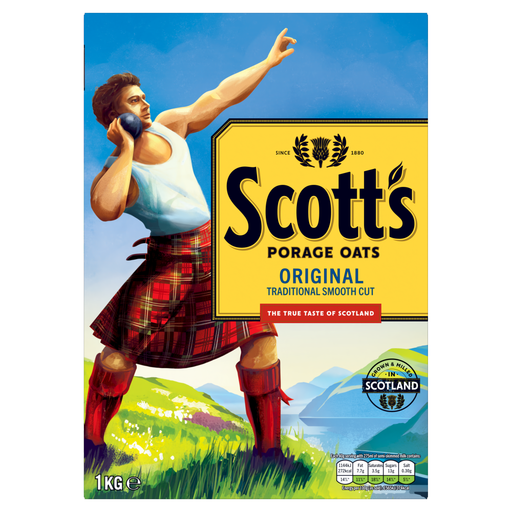
Scotts Porage Oats Original 1kg
A plain porridge option with stated dry-serving and milk-prepared figures for meal comparison.
The listing states 100% oatmeal, with 24g carbohydrate, 0.4g sugars and 3.6g fibre per 40g dry serving. Its milk-prepared column lists 37g carbohydrate and 13g sugars; it may contain wheat and barley.
Joybuy
 No image available
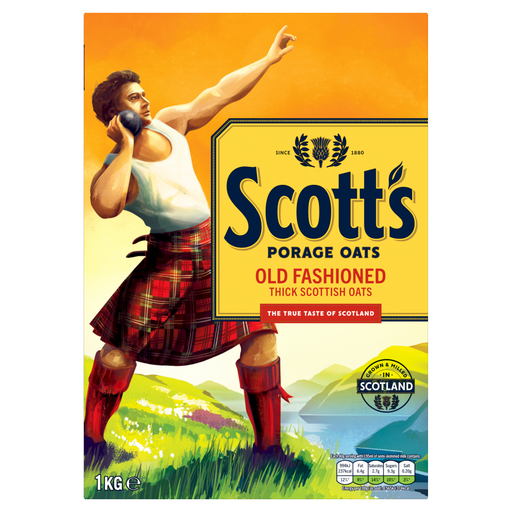
Scotts Porage Oats Old Fashioned 1kg
A plain rolled-oat porridge option with water or milk preparation instructions for home use.
The listing states 100% rolled oats, 60g carbohydrate and 1.1g sugars per 100g, with a suggested 40g serving. Milk and toppings change the completed meal; it may contain gluten from wheat and barley.
Joybuy
Frequently asked questions
Is “no added sugar” the same as “sugar-free” in the UK?
No. Legislation.gov.uk states that a food can make a sugar-free claim only when it contains no more than 0.5g sugars per 100g or 100ml. A no-added-sugar cereal can still contain sugars from ingredients such as dried fruit, fruit purée or milk components, so compare the nutrition table rather than treating the claims as equivalent.
Which label values matter most when managing diabetes?
Check total carbohydrate per 100g and per serving, sugars, fibre, ingredients, allergens and the stated serving size. Diabetes UK notes that front-of-pack traffic-light labels cover sugar, fat, saturated fat and salt, but not carbohydrate, so check the back of pack for that value.
Do milk and toppings count with breakfast cereal?
Yes. Use the values for the meal you will eat, not only the dry cereal. Quaker UK lists 1.0g sugars per 100g for dry Oat So Simple Original, while its stated serving prepared with 180ml semi-skimmed milk lists 8.4g sugars; fruit, yoghurt, sweeteners and larger portions also change the meal.
Can a cereal be called diabetic-friendly?
That phrase alone does not show whether a cereal fits your needs. Compare current pack information for sugars, carbohydrate, fibre, portion size and ingredients, and take account of your individual meal plan and treatment requirements.
What allergen checks are especially relevant for cereal?
Check the current pack for wheat, barley, oats, milk, nuts and any may-contain statement. The cited examples include wheat and barley in Weetabix, possible wheat, barley and soya in Quaker oats, and cereal and nut allergens in Kellogg’s granola and Alpen muesli.


