Someone choosing a lower-sugar treat
Compare the sugar figures on chocolate biscuits without assuming that a sugar claim describes their entire nutritional profile.


If the recipient would prefer a biscuit with less labelled sugar, compare sugars per 100g on the exact products you are considering, then choose a format they would enjoy: a chocolate-coated biscuit, cookie or cocoa sandwich biscuit. A sugar-free or no-added-sugar description does not tell you the biscuit's energy, saturated fat or allergen content, so check the full label before giving it.
Compare the sugar figures on chocolate biscuits without assuming that a sugar claim describes their entire nutritional profile.
Check the recipient's requirements against the chosen pack's ingredients and allergen information before giving it.
If the recipient usually enjoys chocolate digestives, consider whether they would also like a chocolate-chip cookie or filled cocoa biscuit. The formats are different, even when their sugar claims sound similar.
Start with the recipient's preferred biscuit style, then compare the exact packs on the same per-100g basis and check ingredients before choosing.
| Priority | What to check | Your needs |
|---|---|---|
| Sugar description | Compare total sugars per 100g on each pack. Read the exact wording: “no added sugar”, “sugar-free” and “reduced sugar” are different descriptions. | I want to compare the biscuits' labelled sugar content, rather than choose by a claim on the front of the pack alone. |
| Full nutrition | Read energy and saturated fat alongside sugars, using per-100g figures for comparison and per-biscuit figures for the intended serving. Holland & Barrett lists Diablo Sugar Free Chocolate Chip Cookies at 0.2g sugars, 462kcal and 17g saturates per 100g. | Lower labelled sugar matters to me, but I also want to know what the biscuit contains beyond sugar. |
| Recipient and format | Check ingredients and “may contain” wording on the chosen pack. Decide whether a coated digestive, chocolate-chip cookie or filled cocoa biscuit matches the recipient's preference. | The biscuit needs to suit the person receiving it, including their ingredient restrictions and the type they enjoy. |
| Sweeteners | Read the ingredient list for sweeteners such as maltitol. Check the selected pack's serving and any accompanying wording rather than assuming differently formulated biscuits are interchangeable. | I'd like to know what has been used in place of sugar before sharing the biscuits. |
Sainsbury's lists McVitie's The Light One as a reduced-sugar wheatmeal digestive, not a chocolate-coated biscuit. Tesco lists 28.5g sugars per 100g for the examined McVitie's milk-chocolate digestives.
Check the complete product name and nutrition panel of the chocolate biscuit you intend to buy.
Holland & Barrett lists Diablo Sugar Free Chocolate Chip Cookies at 0.2g sugars per 100g, alongside 462kcal and 17g saturates per 100g.
Compare sugars, energy and saturates together, then check the figure for the serving you plan to give.
The examined biscuits have differing wheat, milk and soya declarations. A sugar-free description does not establish whether a product suits someone with an allergy.
Ask about the recipient's restrictions and read the ingredients and precautionary allergen wording on the pack delivered.
Gullón UK describes distinct chocolate-coated digestive products, while Joybuy lists a Gullón no-added-sugar cocoa sandwich biscuit.
A chocolate-chip cookie reference for someone who would prefer cookies to coated digestives.
A familiar conventional chocolate-digestive reference, separate from its reduced-sugar The Light One wheatmeal digestive.
An own-label conventional milk-chocolate digestive reference, not a reduced-sugar recommendation.
These options include sandwich biscuits, a dark-chocolate ginger oat biscuit and a chocolate-flavoured biscuit. Compare their exact labels if a lower-sugar choice or an ingredient restriction matters to the recipient.
 No image available
A sandwich-cookie option for someone who prefers that format to a coated biscuit. Check the pack's nutrition and ingredients to assess the Zero Sugar description against the recipient's needs.
 No image available
A dark-chocolate and ginger oat-biscuit option if those flavours would appeal to the recipient. Compare its own sugar figure and ingredient list with any digestive or sandwich biscuit under consideration.
 No image available
Joybuy describes this as a filled cocoa biscuit with no added sugars. Its listing names wheat and soya allergens and says it may contain milk and mustard; check the delivered pack before giving it to someone with an ingredient restriction.
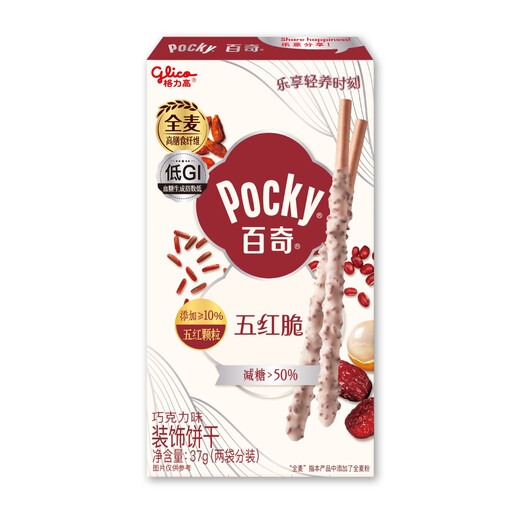 No image available
A chocolate-flavoured biscuit to consider if the recipient would prefer a different format from digestives or sandwich biscuits. Check its sugar figure and full ingredients on the exact pack before treating it as a lower-sugar choice.
No. Compare the exact product's total sugars per 100g rather than using its no-added-sugar description as a measurement. NHS food-label guidance uses 5g total sugars or less per 100g as its low-sugars guide for food.
Ask about the recipient's specific restriction and read the delivered pack's ingredients and precautionary allergen wording. The examined biscuits have different wheat, milk and soya declarations; a sugar claim does not answer an allergy question.
No. Sainsbury's lists The Light One as a reduced-sugar wheatmeal digestive, while Tesco lists 28.5g sugars per 100g for the examined McVitie's milk-chocolate digestives. Check the name and panel of the product you are buying.
Follow the selected pack's storage and best-before instructions. The examined Sainsbury's chocolate digestives specify cool, dry storage and an airtight container once opened; check other products for their own instructions.
Check the delivery destination and estimated arrival at checkout when you order. A current biscuit listing does not establish an arrival date for a later Valentine's Day.