Hosts serving a less-sugary tea snack
Compare the sugars figure on plain oatcakes, then consider how many you will serve and what will go on top. A low sugars figure does not describe the whole snack.


For an older guest who can eat crisp foods, compare plain oatcakes by sugars per 100g and the amount you plan to serve, then check carbohydrate, salt and toppings. If coeliac disease is relevant, choose a specifically labelled gluten-free option only if the guest tolerates gluten-free oats; if swallowing advice rules out crisp or crumbly foods, choose a snack that meets that advice instead.
Compare the sugars figure on plain oatcakes, then consider how many you will serve and what will go on top. A low sugars figure does not describe the whole snack.
Look at total carbohydrate and portion size as well as sugars. University Hospitals Sussex NHS Foundation Trust advises people taking insulin to discuss snacks with their diabetes dietitian or specialist nurse.
Coeliac disease makes explicit gluten-free labelling and tolerance of gluten-free oats important. For swallowing difficulties, follow the guest’s speech-and-language therapist’s texture advice rather than choosing a biscuit by age or appearance.
Start with the nutrition label and the portion you intend to serve; then check whether the recipe and texture suit the particular guest.
| Priority | What to check | Your needs |
|---|---|---|
| Sugars and claims | Compare total sugars per 100g, then check the amount per oatcake or portion. The NHS describes 5g or less per 100g as low in sugars for solid foods. NHS Scotland My Diabetes My Way explains that a reduced-sugar claim compares a product with a standard equivalent containing at least 30% more sugar; a low figure alone does not establish that comparison. | I’d like a less-sugary choice for tea, but I also need to count the oatcakes served and consider any topping. |
| Carbohydrate and portion | Read total carbohydrate as well as sugars, and consider the number served. University Hospitals Sussex NHS Foundation Trust groups diabetes snacks by carbohydrate amount and advises people taking insulin to discuss snacks with their diabetes team. | If my guest manages diabetes, I need to consider the whole snack rather than judging it by its sugars figure alone. |
| Texture | Compare fine-milled with rough oatcakes only where crisp food is suitable. Nairn’s describes its Fine Milled oatcakes as thinner and less coarse than its Rough variety. Kent Community Health NHS Foundation Trust advises people with swallowing difficulties to follow their speech-and-language therapist’s guidance on food textures. | A less coarse biscuit may suit someone’s preference, but I won’t assume it meets a guest’s swallowing guidance. |
| Gluten and allergens | Check the exact pack’s ingredients and allergen information. Coeliac UK notes that standard oats may come into contact with wheat, barley or rye during production and that some people are sensitive even to gluten-free oats. | For a guest with coeliac disease, I need a specifically labelled gluten-free product that they can eat, not just an oatcake that looks plain. |
| Salt and toppings | Compare salt per 100g on the products you are considering, then account for the topping and amount served. Recipes vary: Nairn’s lists 1.61g salt per 100g for Fine Milled, while Tesco lists 1.35g per 100g for its Scottish Rough oatcakes. | I want to compare the oatcake and topping together, especially if I’m choosing between plain and strongly flavoured options. |
Nairn’s Gluten Free Original lists 0.8g sugars but 52.1g carbohydrate per 100g, according to Nairn’s. The sugars figure alone does not describe the carbohydrate in a serving.
Read both label rows and consider the number of oatcakes and any topping. If the guest takes insulin, follow their diabetes team’s snack advice.
Fine-milled describes relative coarseness, not whether a crisp biscuit is suitable for a person with swallowing difficulties. Kent Community Health NHS Foundation Trust advises following individual speech-and-language therapy guidance on higher-risk textures.
Check the guest’s prescribed texture guidance and offer a suitable alternative if it rules out oatcakes.
Recipes differ. Product information displayed by Ocado lists wheat flour and added sugar in M&S Scottish Oatcakes, while Waitrose lists barley malt in its Rough Oatcakes.
Check the ingredients, allergens and nutrition panel on the exact pack before serving it.
These examples show why it helps to compare exact recipes and labels, rather than treating every oatcake from a retailer as the same product.
Nairn’s lists Fine Milled, Rough and specifically gluten-free oatcakes as distinct products.
Tesco Scottish Rough Oatcakes are a plain, coarse-textured option.
Sainsbury’s Rough Oatcakes provide another plain recipe for a like-for-like label comparison.
Waitrose Rough Oatcakes offer a further rough recipe to compare.
M&S Scottish Oatcakes are a rough, crumbly recipe whose ingredients differ from other checked oatcakes.
Asda lists Stockan’s Orkney Thin Oatcakes, a third-party product rather than an Asda own-label oatcake.
For a flavoured afternoon-tea option, these listings include cheese oatcakes, a dark-chocolate-and-ginger oat biscuit, and Marmite & Cheese oatcakes. Compare each exact product’s label with your guest’s needs before serving it.
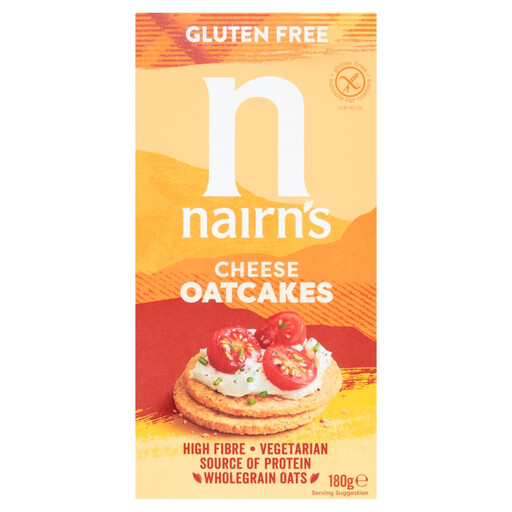 No image available
A cheese-flavoured option when a specifically labelled gluten-free oatcake is needed and the guest tolerates gluten-free oats. Check the exact pack for other allergens, and follow individual texture advice where relevant.
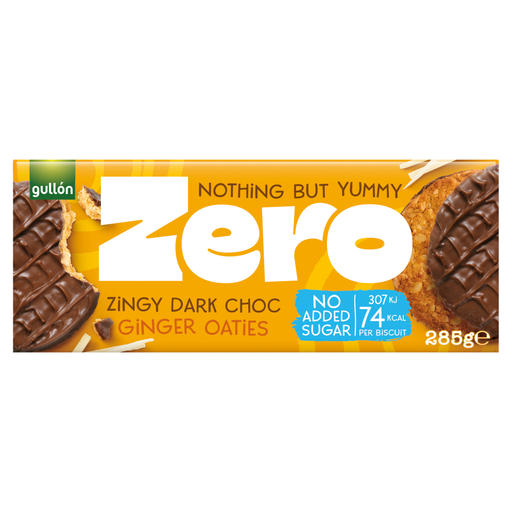 No image available
A dark-chocolate-and-ginger oat biscuit rather than a plain oatcake for toppings. Check its sugars and total carbohydrate, the listed allergens and the pack’s warning about excessive consumption of its sweetener.
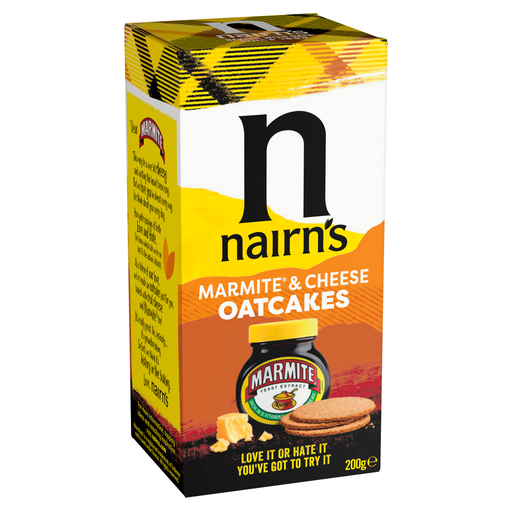 No image available
A Marmite-and-cheese choice for a guest who wants that flavour rather than a plain base. Compare sugars, total carbohydrate and salt on the pack, and check its allergens; do not assume this variant is gluten-free.
No. The NHS describes 5g or less total sugars per 100g as low in sugars for solid foods. NHS Scotland My Diabetes My Way explains that ‘reduced sugar’ compares a product with a standard equivalent containing at least 30% more sugar; a low absolute figure does not establish that comparison.
Not by itself: check total carbohydrate, the amount served and any topping. University Hospitals Sussex NHS Foundation Trust advises people taking insulin to discuss snacks with their diabetes dietitian or specialist nurse.
Do not decide from ‘fine-milled’ alone. Nairn’s uses the term to describe a less coarse oatcake, while Kent Community Health NHS Foundation Trust advises following the person’s speech-and-language therapist’s guidance on permitted textures.
No. Coeliac UK notes that standard oats can come into contact with wheat, barley or rye during production and that some people with coeliac disease are sensitive even to gluten-free oats. Check for explicit gluten-free labelling and whether the guest tolerates those oats.
Follow the instructions on the pack you buy. Tesco advises storing its Scottish Rough Oatcakes in an airtight container once opened.