What to check before buying
Compare the dry product first, then choose the oat format that fits the time you have in the morning.
| Priority |
What to check |
Your needs |
| Dry sugars and ingredients |
Compare total sugars per 100g on dry products. Read the ingredient list for sugar, syrup or honey. NHS guidance classifies 5g or less total sugars per 100g as low for foods. |
I want to compare like for like, rather than treating an oat-based product or flavour name as proof that it is low in sugar. |
| Quick preparation |
Check whether the product is plain, original or flavoured. Look for the stated preparation method and time, then confirm whether sugar appears in the ingredients. |
A quick weekday breakfast matters, but I do not want convenience to mean choosing a sweetened sachet or pot by default. |
| Preparation basis |
Compare dry oats per 100g before comparing prepared servings. Check whether the serving figure includes milk, water or toppings. |
I want to know whether sugars shown for a bowl come from the oats themselves or from the milk and extras I add. |
| Texture and format |
Check the oat cut and cooking directions. More finely processed oats generally cook faster, while jumbo oats have a thicker texture and can take longer. Compare declared fibre on the same basis where relevant. |
I need a plain oat format that fits my morning routine and the texture I enjoy, without relying on sweetened flavourings. |
Joybuy product options
Joybuy options for plain or original oat breakfasts where controlling added sweetness is the main weekday priority.
 No image available
Quaker Oat So Simple Big Bowl Original 6 Pack 231g
Individually portioned original oat sachets for a busy weekday or office breakfast.
The listing states 2½-minute microwave preparation, wholegrain rolled oats as the only ingredient, 1.0g sugars per 100g and 9.0g fibre per 100g.
Prepared-with-milk nutrition is shown separately, so compare the dry figure and account for your chosen milk and toppings. Check the current pack for any medically required gluten-free or cross-contact standard.
Joybuy
 No image available
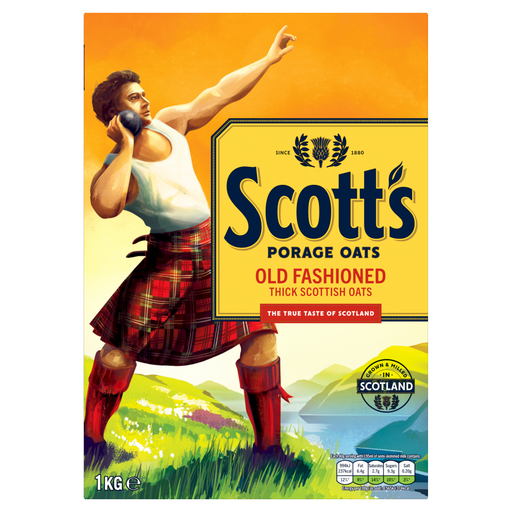
Scotts Porage Oats Old Fashioned Porridge Oats 1kg
A plain rolled-oat option for weekday breakfasts prepared at home.
The listing gives 100% rolled oats, 1.1g sugars per 100g, 9.0g fibre per 100g, a 2–3-minute microwave method and a 4–5-minute stovetop method.
You will need a bowl and water or milk rather than a ready-portioned format. The listing says it may contain wheat and barley, so check the current pack for allergy or gluten-related requirements.
Joybuy
 No image available
Flahavan's Organic Porridge Oats 2kg (2 x 1kg)
A larger plain-oat supply for regular household breakfasts.
The listing states 100% organic wholegrain oat flakes, 0.9g sugars per 100g, 8.3g fibre per 100g, two separate 1kg bags and a stated 40g serving.
Check the current pack directions if morning preparation time is limited. Verify the pack and any required certification for a medically required gluten-free diet.
Joybuy
 No image available
Flahavan's Organic Porridge Oats 1kg
A one-ingredient organic oat option for repeat breakfasts at home.
The listing states 100% organic wholegrain oat flakes, 0.9g sugars per 100g, 8.3g fibre per 100g and 11g protein per 100g.
Preparation time and microwave suitability should be checked on the current pack if mornings are rushed. Verify the pack and any required certification for a medically required gluten-free diet.
Joybuy
 No image available
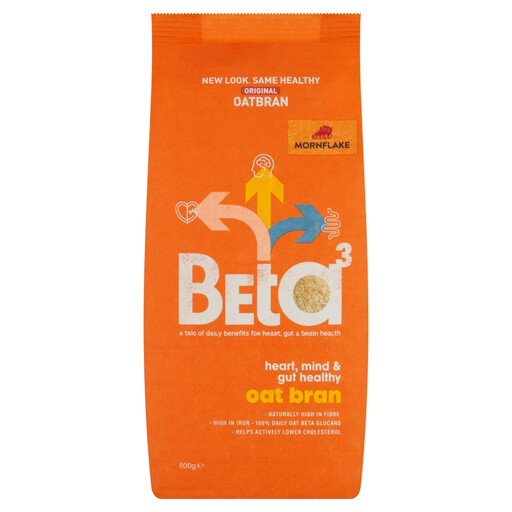
Mornflake Mighty Oats Original Oatbran 800g
An oatbran breakfast option for shoppers comparing oat-based alternatives to rolled porridge oats.
The listing states 100% oatbran, 1.5g sugars per 100g, 19.4g fibre per 100g, 16.0g protein per 100g and 3g beta-glucans per stated 45g portion.
This is oatbran rather than rolled porridge oats, so check the pack for preparation directions and the texture you want. The listing says it is not suitable for wheat or barley allergy sufferers due to manufacturing methods.
Joybuy
Frequently asked questions
Does “no added sugar” mean the porridge contains no sugar at all?
No. It means sugar has not been added to the product; total sugars may still not be zero. Waitrose & Partners lists plain Quaker rolled oats as “No Added Sugars” with 1.1g sugars per 100g, so compare total sugars per 100g alongside the ingredients.
What is the quickest lower-sugar weekday option?
An original, unflavoured instant product can be a quick option if its ingredient list does not include sugar. Waitrose & Partners describes Quaker Original sachets as ready in two minutes with wholegrain rolled oats, while Mornflake Golden Syrup sachets list sugar and 24.5g sugars per 100g.
Why does porridge made with milk show more sugar than dry oats?
Nutrition panels can show a prepared serving as well as the dry product, and milk contributes naturally occurring sugars. Compare dry oats per 100g when selecting the lower-sugar product, then consider the milk and toppings you use separately.
Are all porridge oats suitable for someone avoiding gluten or with a wheat allergy?
No. GOV.UK guidance requires relevant allergenic ingredients to be communicated, and oats are included among cereals containing gluten for allergen labelling. Products may also carry warnings for wheat, barley, soya or nuts, so select only a product specifically suitable for your medically required diet and check the current pack.
Should a “reduced sugar” claim be the only deciding factor?
No. Compare total sugars and ingredients on a consistent per-100g basis, because a product may be reduced relative to another product while still containing added sugar. NHS guidance identifies 5g or less total sugars per 100g as low for foods; cooking time, allergens and sugars added through milk or toppings also matter.


