What should you check?
Start with the amount you would eat, then compare the nutrition panels for bars of different sizes. A claim about one nutrient does not describe the rest of the bar.
| Priority | What to check | Your needs |
|---|
| Fat comparison |
Read fat per bar to assess the portion and fat per 100g to compare different sizes. Check which nutrient any ‘reduced’ statement actually names. |
I want to compare fat without mistaking a small bar or a ‘light’ name for a lower-fat recipe. |
| Portion size |
Compare the labelled serving weight and calories alongside fat. For example, Weetabix Cereals lists a 19g Alpen Light Chocolate & Fudge bar, while Myprotein UK lists a 50g TREK Original Oat Protein Flapjack. |
If I only want something small before bed, a larger flapjack may be more food than I had in mind. |
| Sugars and saturates |
Read sugars and saturates for the serving you would eat. A reduced-sugar message does not describe the fat figure; front-of-pack traffic-light labels can help you locate nutrients to compare. |
I want to see the whole nutrition picture, not choose on the strength of a fibre, protein or reduced-sugar message alone. |
| Ingredients |
Check the exact flavour’s ingredients, allergen declaration and may-contain statements on its current pack. Do not use a vegan description as an allergen check. |
For an allergy or dietary restriction, I need to know whether this particular bar is suitable before buying it. |
Relevant brand examples
These figures describe the named products, not every bar sold under each brand.
Alpen
Alpen Light Chocolate & Fudge is an individually portioned 19g bar.
- Weetabix Cereals lists 65 kcal, 1.2g fat and 4.0g sugars per bar.
- The product information gives 6.5g fat per 100g; Weetabix Cereals says this bar is not suitable for people with a nut allergy.
Kellogg's
Nutri-Grain Strawberry is a soft, fruit-filled 37g bar.
- Kellogg's UK lists 136 kcal and 3.1g fat per 37g serving.
- The same product lists 12g sugars per serving and identifies oats, milk, soya and wheat in its ingredient and allergen information.
Graze
Graze positions Oat Boost as a wholegrain oat-flapjack range with a reduced-sugar comparison.
- Tesco Groceries describes the Cherry Bakewell Oat Boost flapjack as high in fibre.
- That Cherry Bakewell product lists 6.7g fat per 30g serving and 22g per 100g; Graze’s sugar comparison is not a fat comparison.
TREK
The Original Oat Protein Flapjack is a more substantial 50g bar.
- Myprotein UK lists 10.2g protein per bar and describes it as vegan, dairy-free and made with gluten-free oats.
- It also lists 217 kcal, 9.8g fat and 12.2g sugars per bar, figures worth comparing if you want only a small snack.
Cereal bars on Joybuy
These Joybuy options include individually portioned cereal bars and larger fruit-filled bars for a late-night snack. Compare the current nutrition panel for the exact variant before deciding which fits your preferred portion and fat content.
 No image available
Special K Red Berry Cereal Bars, 6 × 21.5g
The individually sized bars offer a portion to compare with larger flapjacks. Check the Red Berry pack for fat per bar and per 100g, sugars and allergens.
 No image available
Special K Dark Chocolate Snack, 6 × 21.5g
This is another 21.5g-per-bar option if you prefer a chocolate variant. Compare its own nutrition and ingredient panel with the Red Berry version rather than assuming the flavours have the same values.
 No image available
Cadbury Brunch Light Orange Cereal Bars, 4-pack, 104g
If the orange variant appeals, check its serving size and fat figures on the pack. ‘Light’ in the name is not enough to establish how its fat content compares with another bar.
 No image available
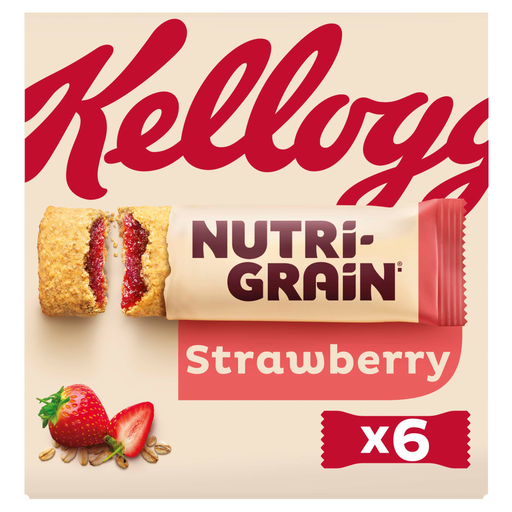
Kellogg's Strawberry Nutri-Grain Bars, 6-pack, 222g
Consider this fruit-filled format if texture matters alongside portion size. Read the nutrition and allergen information for this pack; do not assume its figures match another Strawberry Nutri-Grain listing.
 No image available
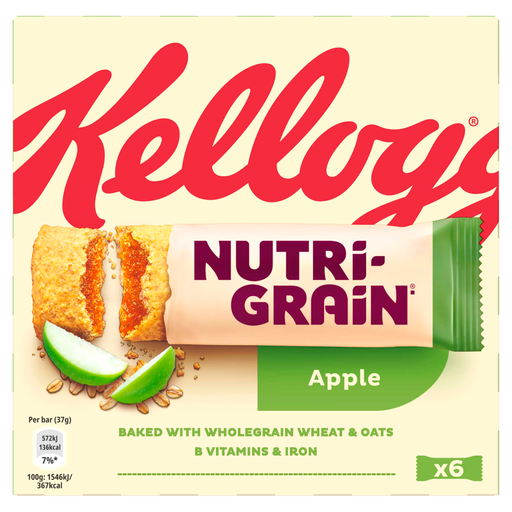
Kellogg's Nutri-Grain Fruity Breakfast Bars Apple, 6-pack, 222g
This apple variant offers a fruit-filled bar format. Compare its own per-bar fat and sugars with the strawberry variant, and check the current ingredient declaration if you have dietary restrictions.
Questions about late-night cereal bars
Does a reduced-sugar bar also contain less fat?
Not necessarily. Graze’s Oat Boost sugar comparison describes sugar, while Tesco Groceries lists 6.7g fat per 30g serving for its Cherry Bakewell Oat Boost flapjack. Read both nutrients on the pack if fat is your main consideration.
Can a cereal bar work as a late-night snack?
A small bar may suit someone who wants a light snack when hunger is distracting. Oxford Health NHS Foundation Trust says a light snack can be useful in that situation, while cautioning that a heavy meal soon before bed can interrupt sleep. Check the bar’s portion size and sugars rather than assuming every cereal bar is equally light.
Should I choose a protein flapjack when comparing fat?
Choose it for the portion and ingredients you want, not because ‘protein’ implies less fat. Myprotein UK lists 9.8g fat and 217 kcal for a 50g TREK Original Oat Protein Flapjack, so compare its serving with smaller bars before buying.
What should I check on a cereal-bar pack?
Check serving weight, fat, saturates, sugars and calories for the exact flavour, then read its ingredients and allergen statement. Similar-looking bars can differ, and the current pack is the relevant check for the product you will eat.


