Breakfast shoppers comparing salt
If tuna is going on toast, a bagel or a breakfast potato, compare its drained salt figure and consider what the toppings add. NHS guidance suggests lemon, herbs and pepper as ways to add flavour without adding salt.


Choose by the salt figure per 100g drained, not by the brand or the words “spring water” alone. A British Essentials listing states 0.56g per 100g drained for John West Lower Salt tuna, but check current stock before planning around that particular product; the reviewed Sainsbury's, M&S and Princes spring-water listings state 0.70g, 0.75g and 0.85g respectively. Consider the salt in sauces and other breakfast toppings alongside the tuna.
If tuna is going on toast, a bagel or a breakfast potato, compare its drained salt figure and consider what the toppings add. NHS guidance suggests lemon, herbs and pepper as ways to add flavour without adding salt.
Spring-water tuna can be a straightforward base to mix with other ingredients, but the packing medium is not a salt figure. The reviewed Sainsbury's and Princes spring-water products state 0.70g and 0.85g salt per 100g drained respectively.
Individual tins can be opened as needed for breakfasts and lunches. If any tuna remains after opening, follow that product's refrigeration and use instructions: the reviewed Sainsbury's listing says within one day, while the reviewed ASDA listing says within two.
Start with a like-for-like salt comparison, then check the packing medium, the rest of the meal and the instructions for leftovers.
| Priority | What to check | Your needs |
|---|---|---|
| Salt figure | Compare salt per 100g drained on the exact tins, using the same basis. Check the per-portion figure too if the label gives one. | I want to compare tins fairly rather than assume that a lower-salt name or a familiar brand settles the choice. |
| Packing medium | Check whether the particular variant is packed in water or brine. The NHS advises choosing tinned fish in water instead of brine when cutting down salt, but the salt figure still needs checking. | Spring water appeals to me as a breakfast base; I still want to know how much salt is in this tin. |
| Breakfast additions | Look at the bread, cheese and sauces used with the tuna. For flavour without adding salt, the NHS suggests options including lemon juice, herbs, pepper and chilli. | I might choose a tin with less salt, then add mayonnaise or another sauce, so the whole breakfast matters. |
| Leftovers | Read the opened-pack instructions before relying on one tin for several meals. The reviewed Sainsbury's listing says to refrigerate and use within one day; the reviewed ASDA brine product says to transfer leftovers to a covered, non-metallic container, refrigerate and use within two days. | If breakfast uses only some of a tin, I need to know how to store the rest and when to use it. |
Spring-water products differ: the reviewed Sainsbury's, M&S and Princes listings state 0.70g, 0.75g and 0.85g salt per 100g drained respectively.
Compare the drained salt figures on the exact products you are considering, rather than using the packing medium as a shortcut.
Salt added at the table and salt in accompaniments count alongside what is already in the tin. NHS guidance identifies sauces including mayonnaise, ketchup and mustard as items to watch when cutting down salt.
Consider how you will serve the tuna; lemon, herbs, pepper, garlic or chilli can add flavour without adding salt.
British Essentials lists John West Lower Salt Tuna Chunks in Spring Water at 0.56g salt per 100g drained, but Trolley.co.uk reported the three-pack out of stock in every store it listed when checked.
Confirm current stock and the nutrition panel for the exact pack before making it the basis of your breakfast plan.
Instructions differ between the reviewed products: Sainsbury's says to refrigerate and use within one day, while the reviewed ASDA product says to transfer leftovers to a covered, non-metallic container, refrigerate and use within two days.
Check your own pack, transfer and refrigerate leftovers as instructed, and follow its stated timeframe.
Salt figures below refer to the named products, not every tin sold under each brand.
John West has standard and no-drain tuna formats as well as a separately named Lower Salt Tuna Chunks in Spring Water product.
The Princes tuna-chunks range includes spring-water, brine and sunflower-oil formats.
Tesco lists own-label spring-water tuna in 3 x 80g and 4 x 145g formats, alongside other packing mediums.
Sainsbury's lists a 145g own-label Tuna Chunks in Spring Water product.
ASDA lists own-label Tuna Chunks in Brine in a 4 x 145g multipack.
M&S lists a 160g Tuna Chunks in Spring Water tin.
These are tinned tuna options to assess for a weekend breakfast. The John West multipack is named as spring-water tuna; for the SAJO tin, check the exact pack to establish whether it is in water or brine. Compare their labels on the same drained-weight salt basis before choosing for a salt-reduction goal.
 Image unavailable
The four-tin format lets you open a tin for breakfast without opening the whole multipack. For a lower-salt choice, compare the salt per 100g drained on this exact pack with other tins, and follow its instructions if any tuna is left after opening.
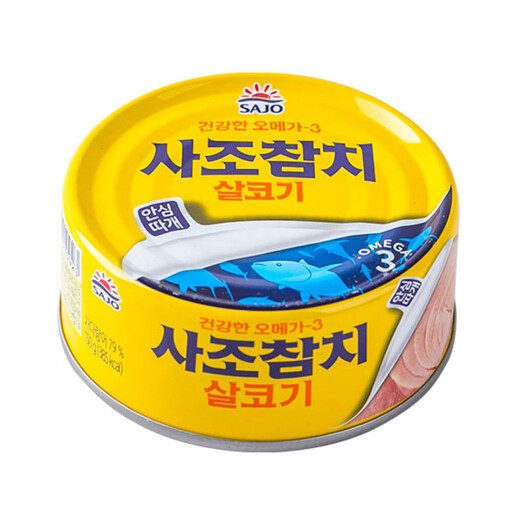 Image unavailable
For a tuna breakfast where salt is a consideration, check the can's salt figure per 100g drained. Confirm whether this particular variant is packed in water or brine if the packing medium matters to your choice.
No. The reviewed Sainsbury's and Princes spring-water listings state 0.70g and 0.85g salt per 100g drained respectively, while British Essentials lists the specifically named John West Lower Salt product at 0.56g. Compare the exact cans using the same drained-weight basis.
Lemon juice, herbs, spices, black pepper, garlic and chilli are options suggested in NHS salt guidance. Also check sauces and other toppings if you are trying to reduce salt across the finished breakfast.
Follow the instructions on your exact product and refrigerate leftovers as directed. The reviewed Sainsbury's listing says to use them within one day; the reviewed ASDA brine listing says to transfer them to a covered, non-metallic container and use within two days.
No. Tuna is fish, and a lower-salt description does not change that. Check the ingredient and allergen declaration on the exact product if fish is an ingredient you need to avoid.