Salt-conscious home cooks
If you are planning dinner for two around a reduced-salt preference, compare the salt figures on a consistent basis and consider the other ingredients going into the dish.


For a date-night tuna dish, compare the exact tins’ salt labels on the same nutrition basis, then consider how much drained tuna you will serve. Choose steaks if you want larger pieces visible on the plate, or chunks if the tuna will be mixed into pasta, a sauce or a filling. Spring water alone does not establish which tin contributes less salt.
If you are planning dinner for two around a reduced-salt preference, compare the salt figures on a consistent basis and consider the other ingredients going into the dish.
If the tuna will be prominent on the plate, decide whether larger steak pieces or smaller chunks suit the dish before choosing a tin.
If assembly time and leftovers matter, check the usable quantity, whether draining is needed and the current pack’s storage instructions.
For a reduced-salt dinner, start with a like-for-like salt comparison; then choose the texture and handling that fit the recipe.
| Concern | What to check | Who this matters to |
|---|---|---|
| Salt across the meal | Compare salt per 100g on the same drained or undrained basis, then use the amount you plan to serve. Check the labels of additions separately. | If I am keeping salt down, the tin is only part of the decision: sauces or other additions also count. About 39% of consumers put salt control first. |
| Texture and appearance | Choose between steaks for visible pieces and chunks for a dish where the tuna will be mixed in. | For a plated salad or pasta, I may want the tuna to remain recognisable rather than break into the dressing. Texture and appearance come first for about 23% of consumers. |
| Portions and handling | Check drained weight, whether the product needs draining and its instructions for any leftovers. | When I am cooking for two, I want to open only what I need and handle the rest properly. About 23% of consumers primarily favour convenient portions and preparation. |
| Packing and sourcing preferences | Read the exact variant’s packing-medium, nutrition and product-specific sourcing statements. | I might choose a particular packing style for my recipe or want to read the sourcing information on that tin. Those preferences lead the choice for about 15% of consumers. |
The checked spring-water products carry different salt figures. Packing liquid is not a substitute for reading the nutrition panel.
Compare the exact variants on the same nutrition basis and account for the portion you will use.
A tin packed with liquid may contain less tuna than its total pack weight suggests. Labels can also state nutrition on different bases.
Check the drained weight and whether the salt figure refers to drained or undrained contents before calculating a portion for two.
The NHS advises adults to have no more than 6g of salt a day; packaged sauces and other ingredients can contribute salt alongside the tuna.
Read the labels of ingredients such as mayonnaise, cheese, olives, stock and sauces when deciding how to season the finished dish.
Ingredients and nutrition information can change. This matters particularly when checking salt or allergens for someone joining you for dinner.
Read the current pack’s ingredient, allergen, nutrition and storage information before serving.
Its checked spring-water chunks and steak offer two formats to compare for a plated dish.
The checked No Drain Tuna Chunks with a Little Spring Water multipack is a convenience-focused format.
The checked Princes products include spring-water steaks and brine or sunflower-oil variants, making the exact format important.
Its checked own-label Tuna Chunks in Spring Water has a stated salt figure and drained-portion information.
These tins offer spring-water chunks and another canned tuna option for a dinner dish. Compare each pack’s salt information before choosing for a reduced-salt meal.
 No image available
Chunks are an option when the tuna will be mixed into pasta or a salad. This is a four-tin spring-water pack; use the current label’s salt basis and drained quantity to work out what your serving contributes.
 No image available
The no-drain chunk format may suit a dish assembled shortly before serving. Check whether the pack’s salt figure refers to drained or undrained tuna before comparing it with another tin.
 No image available
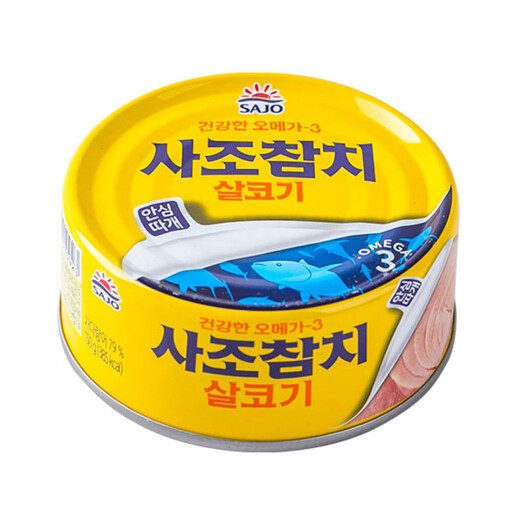
A 100g canned tuna option for a dish where the fish will be mixed in. Check the exact can’s packing liquid before deciding how it fits your recipe, and compare salt using the label’s stated nutrition basis.
 No image available
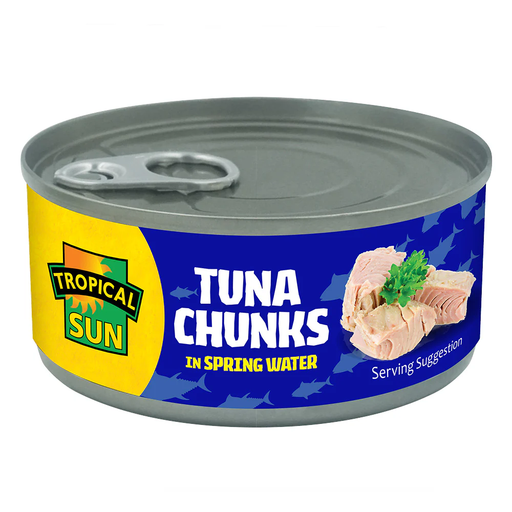
Spring-water chunks can be mixed into a salad or pasta dish. For a salt comparison, check whether the current pack’s per-100g figure refers to drained tuna; inspect the fish for small bones while preparing it.
No. The checked spring-water tins have different stated salt figures, so compare the exact products on the same nutrition basis. The NHS suggests choosing tinned fish in water rather than brine when cutting down salt, but the individual label still determines the comparison.
Use the salt figure on the tin with its stated nutrition basis and the quantity of tuna you intend to serve. If the label gives salt per 100g drained, calculate from the drained amount, then check the salt information for other ingredients in the dish.
Choose steaks when you want larger pieces to remain visible in a composed salad or plated pasta; chunks suit a sauce or filling where the tuna will be mixed in. Neither format establishes a lower salt level, so check the exact tin’s label.
Follow the instructions on the exact pack. The checked M&S and Tesco product pages instruct shoppers to move unused tuna to a non-metallic container, refrigerate it and use it within two days; read your tin rather than assuming every product has identical directions.
No. Tuna is fish, and the checked tuna labels identify fish as an allergen. A change from brine to spring water or oil does not remove that ingredient; check the current ingredient and allergen label before serving.