Shoppers wanting naan with a meal
An ordinary naan and a product tested for a particular low-FODMAP serving are different choices. If you want a naan-like accompaniment, Monash FODMAP also publishes a flatbread recipe with a defined yield.


If you want naan with a meal, look for a product tested for a stated low-FODMAP serving or follow Monash FODMAP’s flatbread recipe rather than assuming an ordinary plain naan qualifies. For toast or sandwiches, assess a particular medium-sliced loaf and the amount you will eat; a gluten-free or sourdough label alone does not establish its FODMAP content.
An ordinary naan and a product tested for a particular low-FODMAP serving are different choices. If you want a naan-like accompaniment, Monash FODMAP also publishes a flatbread recipe with a defined yield.
If you need bread for sandwiches or toast, choose a loaf rather than a naan and check the particular bread and amount you plan to eat. Monash FODMAP’s serving-size guidance shows why slice thickness alone cannot settle that question.
Gluten-free labelling and FODMAP assessment answer different questions. If you are being tested for coeliac disease, the NHS says eating gluten during testing is necessary for accurate results.
Decide whether you need naan with a meal or slices for sandwiches, then assess the exact bread and serving.
Consider it when: The exact naan and portion fit a FODMAP plan you have already established for yourself.
Keep in mind: The checked Tesco, Asda and Waitrose plain naans list wheat flour, and their listings do not establish a low-FODMAP serving.
Consider it when: You want an accompaniment to curry with clearer serving guidance: check certification for the specific product, or follow Monash FODMAP’s flatbread recipe.
Keep in mind: The recipe takes preparation and makes a flatbread, not an identical replacement for a purchased naan.
Consider it when: You actually need slices for toast or sandwiches rather than a flatbread to accompany a meal.
Keep in mind: The words ‘medium sliced’ describe the cut, not the loaf’s FODMAP rating or the amount you will eat.
| Priority | What to check | Your needs |
|---|---|---|
| Serving | Check guidance for the exact food and intended amount. Monash FODMAP gives a wholemeal-bread example in which one 24 g slice has a different FODMAP rating from a larger serving; that result does not apply to every loaf. | I want to know whether the amount I plan to eat fits the guidance for that particular bread. |
| Ingredients | Read the full list, including additions in flavoured naan. Waitrose & Partners lists wheat flour in its plain naan and wheat and garlic in its garlic-and-coriander version. A gluten-free label is not a FODMAP test. | A reassuring product name is not enough for me; I need to assess the actual formulation. |
| Bread type | Choose naan or flatbread for a meal accompaniment, or a sliced loaf for sandwiches and toast. For a loaf, check its actual slice weight rather than relying on ‘medium sliced’. | Sandwich slices would serve a different purpose from naan with a curry. |
| Storage | Follow the directions for the pack you buy. Asda’s plain naan listing says to consume it within 24 hours of opening; the checked Sainsbury’s plain naan has chilled-storage instructions. | If I will use only part of a pack, I need storage directions that work for how I plan to use it. |
The checked plain naans from Tesco, Asda and Waitrose list wheat flour. ‘Plain’ describes the flavour, while FODMAP assessment also depends on the food and amount eaten.
Look for guidance covering the exact product and serving instead of relying on its flavour name.
Monash FODMAP notes that some gluten-free products contain high-FODMAP ingredients and that only some traditionally made sourdough breads meet its criteria. Gluten safety is a separate consideration.
Check the ingredients and any applicable tested serving for the particular bread.
Monash FODMAP’s wholemeal-bread example shows that changing the amount eaten can change its FODMAP rating. It does not establish a rating for every medium-sliced loaf.
Check the loaf’s slice weight and guidance for that bread at the amount you intend to eat.
These grocery listings illustrate what to check on specific products; they do not establish suitability for every bread from each brand.
Tesco’s Plain Naan Bread 2 Pack is an example of an ordinary plain naan with published ingredients and a nutrition serving.
ASDA 2 Plain Naans has a grocery listing with ingredients and directions for handling the pack.
Waitrose & Partners lists both plain and garlic-and-coriander naans, allowing a comparison of those products’ ingredients.
The M&S Garlic & Coriander Naans information displayed by Ocado covers one flavoured product.
Sainsbury's Indian Plain Naan x2 260g listing gives nutrition per naan and storage directions.
These options are a plain naan and a rosemary-and-sea-salt flatbread. Neither is a medium-sliced sandwich loaf; assess the exact product and serving before using either for a low-FODMAP meal.
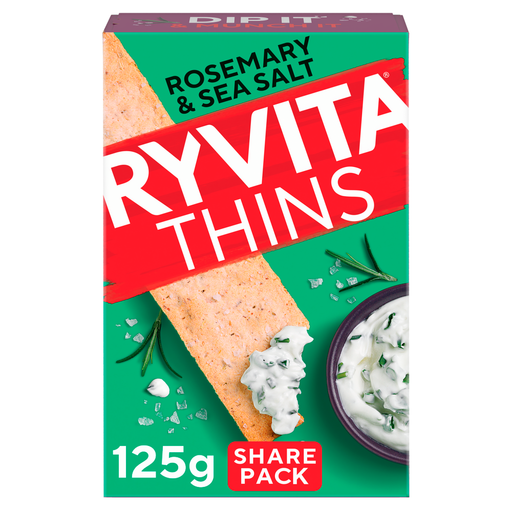 Image unavailable
These flavoured flatbreads are a different format from naan or a medium-sliced loaf. The pack is 125g; check its ingredients and the portion you intend to eat against guidance for the particular food.
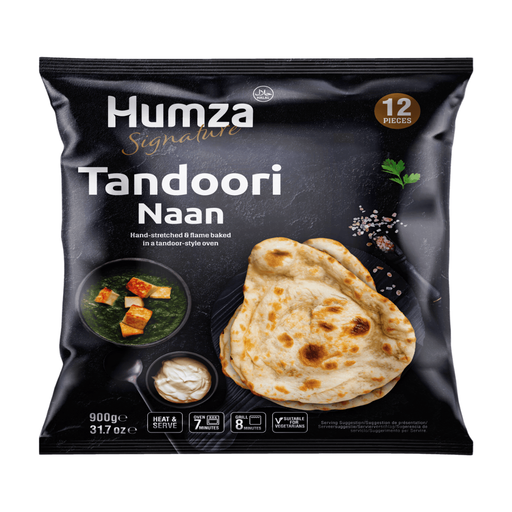 Image unavailable
This plain naan is the option here for a meal where naan is wanted. The 300g pack contains four pieces; check the ingredients and your intended serving rather than treating ‘plain’ as a low-FODMAP claim.
No. Monash FODMAP notes that some gluten-free products still contain high-FODMAP ingredients. Check the exact product and relevant serving; gluten-free labelling concerns gluten, not a FODMAP test.
Not by itself. Monash FODMAP says some breads made through traditional sourdough processing meet its low-FODMAP criteria, but that does not cover every sourdough loaf. Check the particular bread and serving.
Yes, if a naan-like accompaniment meets your needs. Monash FODMAP publishes a flatbread recipe using gluten-free plain flour and lactose-free yoghurt, divided into 12 servings. Follow its recipe and check any ingredients you choose to use; it is not a test of a shop-bought naan.
Follow that product’s pack directions. For example, Waitrose & Partners says its plain naan should be consumed within one day of opening; another naan may have different instructions.
Keep that testing separate from a low-FODMAP bread choice. The NHS says people need to eat foods containing gluten while being tested for coeliac disease so that the tests are accurate; discuss dietary changes during testing with your clinician.