Families serving alcohol-free drinks
A sharing bottle can serve several people at lunch. Decide whether it is likely to be finished, or whether separate cans would be easier to serve.


For an alcohol-free lunch shared by several people, a large lemonade bottle suits poured drinks if you expect to finish it. Small cans make more sense when guests need individual portions or an opened bottle might go unfinished. Choose tonic only for guests who want its bitter, quinine-containing flavour, and check the nutrition label for drinks served to children.
A sharing bottle can serve several people at lunch. Decide whether it is likely to be finished, or whether separate cans would be easier to serve.
If adults want tonic for mixed drinks, plan their portions separately from the drinks offered to children and other guests.
Compare sugars per 100ml and the size of the portion being served rather than judging a drink by its pack format or a word such as “light”.
Work out who will drink the product and how it will be served, then compare pack volume and the label of the exact variant.
| Priority | What to check | Your needs |
|---|---|---|
| Enough to serve | Check the volume of each bottle or can, the number in the pack and how many guests you expect. | I want enough to pour drinks for everyone without choosing a pack by container count alone. |
| Serving format | Compare a sharing bottle with individual cans. Consider whether an opened bottle will be finished at lunch. | Separate portions would be easier for my guests; alternatively, we can share and finish a bottle. |
| Drink type | Check whether the product is lemonade or quinine-containing tonic, and whether guests want tonic’s bitter flavour. | For a family lunch, I need an alcohol-free drink everyone expects to drink. Tonic is a separate choice for adults who want mixed drinks. |
| Nutrition label | Read sugars per 100ml, ingredients and serving size on the exact product; “light” does not establish that a drink is sugar-free. | If children will have a portion, I want to know what that portion contains rather than relying on the name on the pack. |
A multipack can look substantial even when each can holds a small portion.
Check the stated volume and can count against the number of drinks you intend to serve.
Tonic contains quinine and has a bitter flavour; the tonic examples here are presented as mixers for adult drinks.
Choose the children’s and non-drinkers’ drinks separately, and select tonic only for guests who want it.
The Fever-Tree Naturally Light tonic listing gives 3.8g sugars per 100ml.
Check the nutrition panel and ingredients for the exact variant and the portion you plan to serve.
These brand references describe particular drinks and ranges, not every product a brand makes.
Lemonade appears in both large bottles and small-can packs, giving shoppers two ways to serve a shared lunch.
Its Indian tonic products are presented as mixers for adult drinks.
Its Premium Indian Tonic Water is an option for guests who specifically want tonic’s bitter flavour.
Its listings provide examples of lemonade bottles and multipacks to compare for a lunch.
Britvic describes a range spanning mixers, juices and cordials.
These are two separate product groupings: drinks for a shared, alcohol-free lunch and tonics for adult mixed drinks. Their positions are not a combined quality ranking.
| Rank | Product | Main specifications | Reasons to consider | Supplier or platform |
|---|---|---|---|---|
| 1 | Schweppes Lemonade 2L | 2L bottle | Shared-lunch group: Tesco lists this bottle format. Consider it when several guests want lemonade and the bottle is likely to be finished. | Tesco |
| 2 | Schweppes Slimline Lemonade 2L | 2L bottle; Slimline variant | Shared-lunch group: Tesco lists this variant in the same bottle size. Check its ingredients and nutrition panel if the variant matters to your household. | Tesco |
| 3 | Fever-Tree Light Sicilian Lemonade 500ml | 500ml bottle; Light variant | Shared-lunch group: consider the smaller bottle only if that serving format fits the number of guests. Check the exact variant’s label. | Tesco |
| 1 | Fever-Tree Naturally Light Tonic Water 8 × 150ml | Eight 150ml cans; 3.8g sugars per 100ml | Adult-tonic group: individual tonic portions for guests who want mixed drinks. The Joybuy product listing gives the stated sugar content; “light” does not mean sugar-free. | Joybuy |
| 2 | Fever-Tree Indian Tonic Water 8 × 150ml | Eight 150ml cans; 8.0g sugars per 100ml | Adult-tonic group: individual regular-tonic portions. The Joybuy product listing gives the stated sugar content for this variant. | Joybuy |
| 3 | Fentimans Premium Indian Tonic Water | Indian tonic; 4.4g sugars per 100ml | Adult-tonic group: consider it when guests want a bitter tonic. Fentimans supplies the stated nutrition figure; check the pack offered before choosing a serving format. | Fentimans |
These canned soft-drink packs suit a lunch where guests will be served individual portions. Check the can size and count against your guest list; this selection is not a comparison of every drink format discussed above.
 No image available
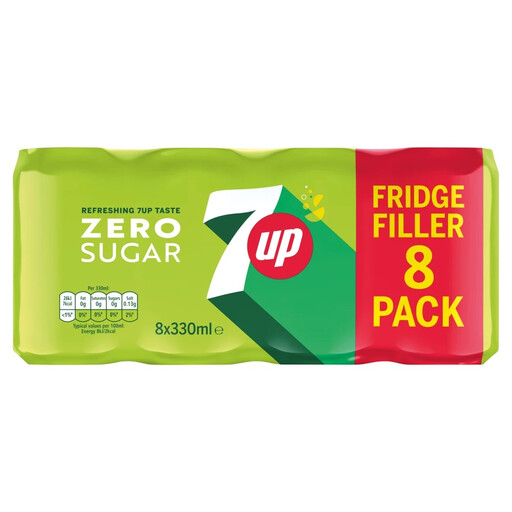
Eight individual 330ml cans provide a portioned option for lunch. Compare the can count with the number of guests.
 No image available
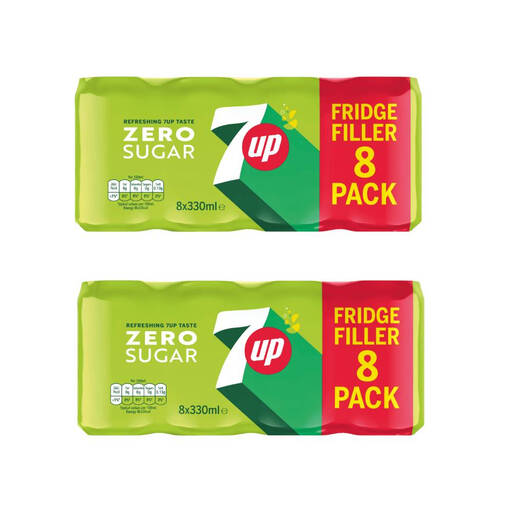
Two eight-can packs offer individual 330ml portions when more guests need a can. Check that the total number of cans fits the lunch you are planning.
 No image available
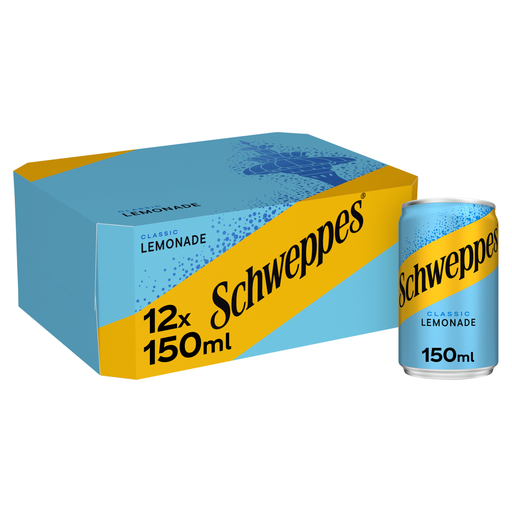
Twelve 150ml cans suit guests who want smaller individual lemonade portions. Check whether that portion size and pack count cover the lunch.
Choose a 2L bottle if several people will pour drinks and you expect to finish it; 150ml cans suit separate, smaller portions. Check the pack’s total volume and how many guests need a drink.
Do not assume tonic will suit the lunch: the tonic examples here contain quinine and are presented as mixers for adult drinks. Plan a separate drink for children and guests who do not want tonic, and check its label.
No. The Joybuy listing for Fever-Tree Naturally Light Tonic Water states 3.8g sugars per 100ml. Read the nutrition panel, ingredients and serving size for the exact product rather than relying on “light” in its name.