Parents packing for school-age children
Compare individual pots and pouches with yoghurt portioned from a larger tub. Check the serving size, whether your child likes the format and how the chosen pack needs to be stored.


Choose a yoghurt in a portion your child will eat and a format you can pack and store as its label directs. Individual pots and pouches need less preparation; a larger natural yoghurt gives you control over the portion but needs a suitable container. Compare the exact pack’s ingredients and nutrition information if sugar is a priority, and do not use filtered or long-life milk labels to judge a yoghurt’s storage requirements.
The useful format depends on where lunch will be eaten, how much preparation is practical and which details matter for the child.
Compare individual pots and pouches with yoghurt portioned from a larger tub. Check the serving size, whether your child likes the format and how the chosen pack needs to be stored.
Natural yoghurt and products explicitly labelled no added sugar offer different starting points. Read the ingredients and nutrition information for the exact flavour rather than judging it by children’s packaging or a low-fat label.
For a day trip, holiday club or picnic, check the yoghurt’s storage instructions and use-by date before deciding how to carry it. Wirral Community Health and Care NHS Foundation Trust advises that ice packs help keep packed food cool.
Start with a portion and container that work for the outing, then compare labels and plan storage for the exact product.
| Priority | What to check | Your needs |
|---|---|---|
| Portion and format | Compare the weight of each pot or pouch, not just the multipack size. For a larger tub, check that you have a clean, leakproof container. | I want a serving my child will eat without needing to portion it during an outing. |
| Sugar and flavour | Read the ingredients and compare the label’s sugars figure on the same basis, such as per 100g. Check whether a no-added-sugar claim applies to the precise flavour. | If added sugar matters to my family, I want to compare plain yoghurt and labelled options without assuming fruit flavour or low-fat wording settles the question. |
| Storage for travel | Follow the pack’s refrigeration, after-opening and use-by instructions. If it needs chilling, plan how to keep it cool until lunch. | Lunch may spend time away from a fridge, so I need a way to carry this particular yoghurt as directed. |
| Ingredients and allergens | Check the current pack’s ingredient and allergen statements. Treat lactose-free and dairy-free wording as product-specific, not as a property of a brand or flavour. | I need to establish whether the exact variant meets my child’s dietary requirements before packing it. |
| Filtered and long-life labels | Use the yoghurt’s own storage statement rather than a milk filter. Tesco Groceries places filtered and long-life products under milk, with yoghurt organised separately. | I want a yoghurt suitable for the lunch plan, not to mistake a milk category for a promise about yoghurt shelf life. |
Tesco Groceries uses those terms in its milk category. They do not tell you how to store a particular yoghurt during an outing.
Read the yoghurt pack’s storage instructions and use-by date; arrange a cool bag and ice pack when chilled storage is required.
A fruit flavour or child-focused pot does not establish how its sugar content compares with another yoghurt. No-added-sugar wording applies to the product carrying that label, not every product in its range.
Compare the exact variants’ ingredients and nutrition information, alongside the portion and flavour your child will accept.
A tub lets you portion yoghurt at home but does not give you a sealed individual serving for the trip.
Use a clean, leakproof container and follow the tub’s instructions after opening; plan how to keep the portion cool if the label requires it.
Portioning also means carrying a separate container and, where chilling is required, a cool bag and ice pack.
Natural yoghurts, flavoured pots, children’s products and split pots can have different ingredients and serving sizes within the same brand.
Compare the precise variant’s portion, ingredients, allergen statement and storage directions each time.
These range examples can help narrow a format, but the label on the product you choose determines its ingredients and storage instructions.
Its Little Yeos range is relevant when considering children’s yoghurt formats.
Its range includes children’s yoghurt alongside fruit and natural formats.
Tesco Groceries lists flavoured Activia multipacks bearing no-added-sugar wording.
Its Greek-style plain yoghurt listings include individual pots and larger tubs.
Its range includes single pots, multipacks and natural Greek-style yoghurt.
Its UK range covers different yoghurt formats, including Müller Corner and Müller Light.
These individual pouches and pots are options to consider when a ready-portioned format suits the lunch plan. They are labelled for babies aged 6 months and over, so check whether the format and flavour suit an older child; follow each pack’s storage and use-by instructions.
 No image available
The 90g pouch provides an individual portion for an outing. It is labelled for babies aged 6 months and over rather than specifically for school-age children. Check the current ingredients and allergen label, and follow the pack’s serving, storage and use-by directions.
 No image available
This 90g pouch is another ready-portioned format, with strawberry in the product name. It is labelled for babies aged 6 months and over. Check the pack’s ingredients, allergens and storage instructions, and do not use a pouch that is damaged or inflated.
 No image available
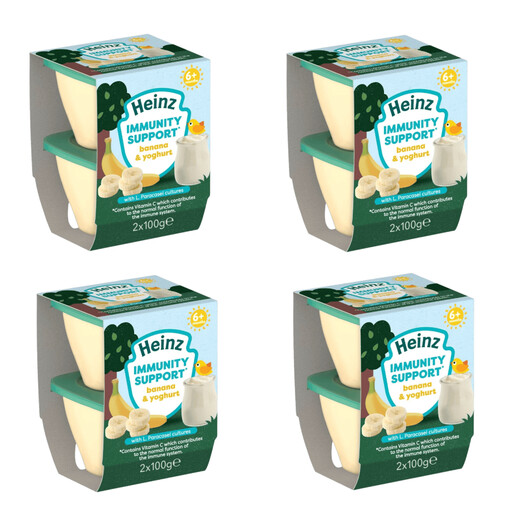
The bundle contains four twin-packs: eight individual 100g pots for separate lunches. The pots are labelled for babies aged 6 months and over, not specifically for school-age children. Check the current ingredients, allergens and use-by date; follow the pack’s instructions for storage after opening.
 No image available
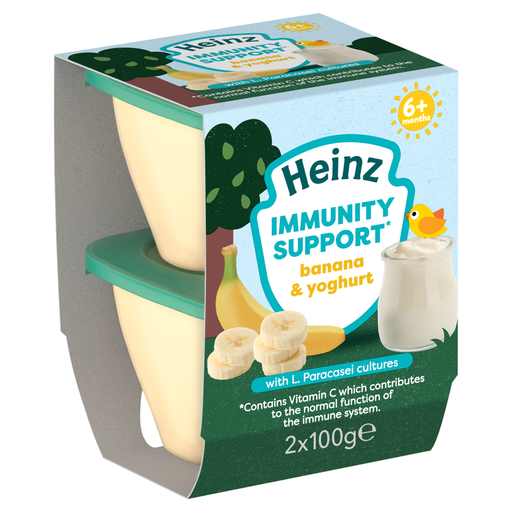
This twin-pack contains two individual 100g pots rather than the four twin-packs in the bundle above. It is labelled for babies aged 6 months and over. Check the current ingredients and allergens, and follow the pack’s storage and use-by instructions when planning lunch.
No. Tesco Groceries uses filtered and long-life labels for milk, while its yoghurt categories are organised by formats and types. Check the yoghurt’s own portion, label and storage instructions instead.
Yes, if you can follow the storage directions on that exact pack throughout the outing. An Onken Natural product listing, for example, says to keep it refrigerated; Wirral Community Health and Care NHS Foundation Trust says ice packs help keep packed food cool.
No. It is a claim to check on the exact product when added sugar matters to you, but you should still read its ingredients and nutrition information and consider the portion, allergens and flavour your child will accept.
Check the exact pack’s current ingredient and allergen information before choosing it. Tesco Groceries lists lactose-free and dairy-free alternatives separately, but a category, brand name or flavour does not establish that an individual product meets your child’s requirements.
Look on the back or side of the individual pack: NHS food-label guidance identifies these as the locations for nutrition information on pre-packed foods. Compare figures on the same basis, such as per 100g, and check the ingredients when comparing added-sugar claims.