
24/7 Customer Support

Free returns

Same-day & Next-day Delivery

Quality Guaranteed

Unlock Your Welcome Offers: FREE Delivery | Up to 80% OFF | Free 30-day JoyPlus trial
Download the APP
Luncheon meat can be a practical cupboard staple for sandwiches, fried rice, stir-fries, hotpot and quick student meals. However, the product range varies considerably. A low price may reflect a smaller meat percentage, while an attractive “protein snack” label may conceal a very small pack or high salt content.
Before buying luncheon meat, check three common pitfalls:
The meat percentage is a useful starting point, but it should be read alongside the full ingredients list. For example, Ma Ling Luncheon Meat with Ham & Pork 340g lists 72% pork and 10% ham, while CJO Luncheon Meat 340g lists 93% pork. These recipes may suit different preferences for texture and flavour.
Some products include potato starch, wheat, soy protein or other binders. These ingredients can affect firmness, slicing and cooking performance. If you want luncheon meat for frying, look for a product described as firm or easy to slice. For sandwiches, a smoother texture may be more suitable.
Canned luncheon meat, sausages and cured meats are often seasoned for a pronounced savoury flavour. Compare the nutrition panel per 100g, rather than relying only on serving sizes.
As examples, the listed products provide:
These figures are product-specific and should not be treated as a general nutritional profile for all luncheon meat. If you are planning lunchboxes or family meals, decide whether a small portion is sufficient and balance it with vegetables, rice, noodles or salad.
Unopened tins should be stored according to the packaging, usually in a cool, dry place away from heat and direct sunlight. Do not use a can that is bulging, leaking or badly damaged.
After opening, transfer unused contents to a suitable container and refrigerate. The recommended period differs by product: CJO advises consumption within two days, while Tiger Tiger states within three days. Always follow the individual label.
Also distinguish between:
For allergens, check the current packaging rather than relying solely on an online listing. UK food labels should identify relevant allergens in the ingredients list, commonly in bold type.

Why This Fits Their Persona: A practical 340g canned option for first-time buyers, shared meals and cupboard storage. It can be served directly or added to fried rice, hotpot and stir-fries.
The listing states the quantitative ingredients clearly: 72% pork and 10% ham. Mustard is identified as an allergen, helping shoppers check suitability before ordering.
Ready to eat; suitable for frying, deep-frying, hotpot and stir-frying; 340g format suits family cooking.
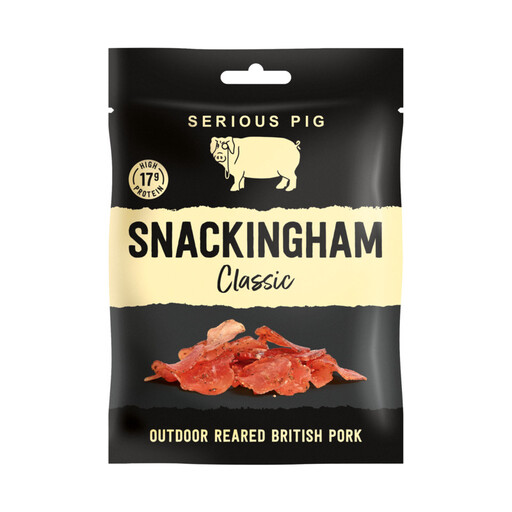
Why This Fits Their Persona: A small ready-to-eat serving for shoppers assembling a charcuterie board, packed lunch or simple snack plate with cheese and crackers.
The 35g net quantity is clear, so shoppers can assess value without mistaking a snack pack for a family-sized product.
Made with 96% British pork; ready to eat; listed at 27g protein per 100g; suitable for boards and sandwiches.
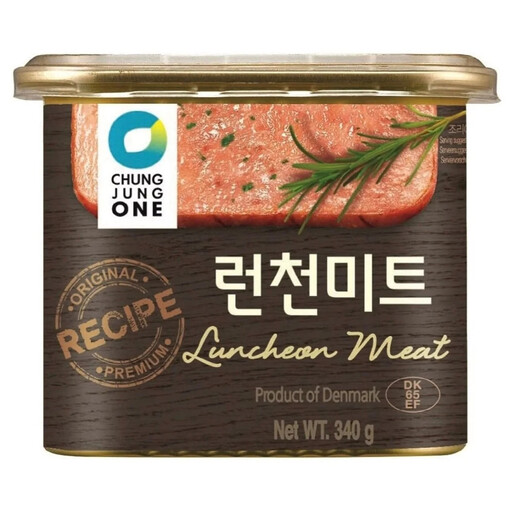
Why This Fits Their Persona: A Korean-style canned meat option for households making budae jjigae, fried rice, sandwiches, rice bowls or barbecue platters.
Its listing specifies 93% pork and provides opening, refrigeration and two-day consumption guidance. The can condition should still be checked before use.
Firm, sliceable texture; fully cooked; 340g size; works with rice, noodles, bread and hotpot recipes.
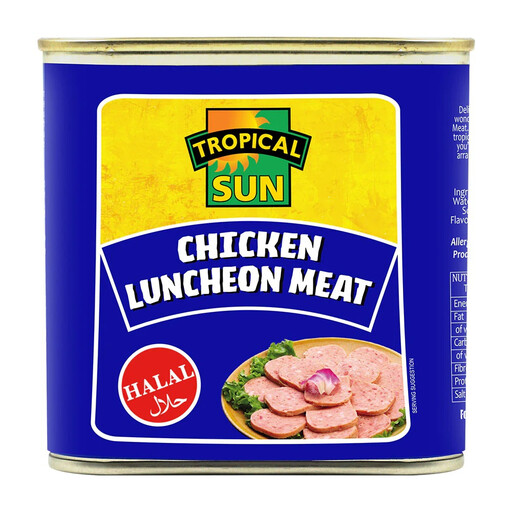
Why This Fits Their Persona: A halal-labelled chicken option for sandwiches, burgers, noodles, fried rice and family meals where pork is unsuitable.
The listing identifies the product as halal and clearly states that it requires cooking, avoiding the ready-to-eat assumption.
Chicken-based recipe; 340g can; suitable for pan-frying, deep-frying and stir-frying; cooking instructions specify heating thoroughly.
We have compiled a complete, real-time list of products that fully satisfy these strict selection criteria and UK safety regulations.
For a broader Asian meat products selection, consider how the food will be used:
Some canned luncheon meat is fully cooked and may be eaten after opening, while other products instruct you to cook before serving. Always follow the product label. If heating, slice evenly and heat until hot throughout.
There is no single storage period. Many products advise transferring leftovers to a non-metallic or airtight container, refrigerating promptly and consuming within two to four days. Check the packaging for the exact instruction and discard food with an unusual smell, appearance or texture.
Only choose a product with clear halal certification or labelling that meets your requirements. Chicken luncheon meat is not automatically halal, and pork luncheon meat is not suitable for halal diets. Check the ingredients, certification information and allergen statement before purchase.