
24/7 Customer Support

Free returns

Same-day & Next-day Delivery

Quality Guaranteed

Unlock Your Welcome Offers: FREE Delivery | Up to 80% OFF | Free 30-day JoyPlus trial
Download the APP
As a Joybuy Product Recommendation Officer, my role is to help you navigate the crowded shelves and make informed choices. Luncheon meat, a beloved pantry staple in the UK for its convenience and versatility, is a perfect example of a product category where a little knowledge goes a long way. Whether for a quick sandwich, a hearty breakfast or stocking up the cupboard, choosing the right tin can be confusing. This guide will help you sidestep common traps and find the right product for your needs.
Many shoppers find themselves disappointed by a product that didn't meet their expectations. This often comes down to two common issues that are easy to overlook when you're in a hurry.
To ensure you get what you're paying for, focus on these two non-negotiable details on the label.
This is the most important indicator of quality. Look for the ingredients list, which will state the percentage of meat. For example, a label might read "Pork (89%), Ham (2%)". A higher total meat percentage generally suggests a firmer texture and a more robust flavour. This simple check helps you understand exactly what you are buying when you pick up a tin of canned pork and ham. The type and amount of meat directly influence the product's suitability for different luncheon meat recipes, from slicing for sandwiches to dicing for stir-fries.
To find the true value, always compare the price per 100 grams. This figure is usually displayed on the shelf label in supermarkets and is a standard metric for online listings. It allows you to accurately compare a 200g tin, a 340g tin and a multipack, cutting through the promotional clutter. For anyone looking to buy SPAM online or stock their pantry, calculating this is the key to making a budget-conscious decision.
Based on these practical criteria, here are some options tailored to different household needs and preferences.
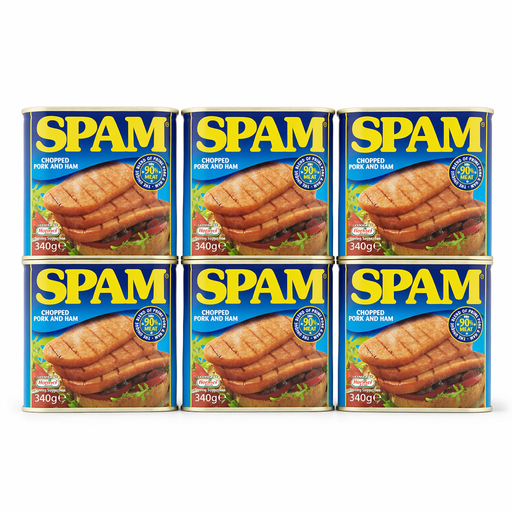
Why This Fits Their Persona: Ideal for families or individuals who rely on having a quick meal solution on hand. Buying in a multipack ensures the cupboard is never bare and simplifies future shopping trips.
This multipack directly addresses the value trap. By purchasing six tins at once, the price per 100g is typically lower than buying single tins, offering clear, long-term savings.
Cost-effective: Excellent value for regular users.
Convenience: Long shelf-life and always ready for a meal.

Why This Fits Their Persona: For those who want the original, reliable taste for a classic fry-up, sandwich or nostalgic dish. The 200g tin is the perfect size for one or two meals without waste.
This product avoids the meat content illusion with a composition of 89% pork and 2% ham. This high meat content delivers the firm, sliceable texture and savoury flavour that people expect.
High Meat Content: Provides a satisfying, firm texture.
Versatile: Excellent both hot and cold in a variety of dishes.

Why This Fits Their Persona: For the home cook who enjoys the convenience of luncheon meat but wants to add an extra layer of flavour to dishes like fried rice, pasta or a weekend breakfast.
This product avoids the vague promises of flavoured variants. The ingredients clearly state 15% smoked bacon, ensuring the smoky flavour comes from a real component rather than just "flavourings."
Distinct Flavour: Adds a genuine smoky bacon taste.
High Meat Content: Total meat content is high (74% pork + 15% bacon + 2% ham).

Why This Fits Their Persona: For the shopper who is open to trying different brands to find great value. Ma Ling is a classic in its own right, with a distinct taste and texture that many people enjoy.
This product is transparent about its composition. With 72% pork and 10% ham, the meat content is clearly stated, allowing you to make an informed choice based on its competitive price point.
Good Value: Often available at a very competitive price.
Unique Flavour: Offers a different taste profile that is popular in hot pot and stir-fry dishes.
We have compiled a complete, real-time list of products that fully satisfy these strict selection criteria and UK safety regulations.
1. How long does luncheon meat last after opening? Once opened, you should transfer any unused luncheon meat from the metal tin into a non-metallic, airtight container. It should be stored in the refrigerator and consumed within two days for optimal freshness and safety.
2. Can you eat luncheon meat straight from the tin? Yes, all commercially produced luncheon meat sold in the UK is fully cooked and ready to eat, making it safe to consume cold directly from the packaging. However, many people prefer its flavour and texture when it is fried, grilled or baked, which creates a pleasant caramelised crust.
3. What is the difference between luncheon meat and tinned ham? The main difference lies in the processing. Luncheon meat is typically made from finely chopped or minced pork, often blended with ham and other ingredients like starch, which is then cooked and set in the tin. Tinned ham, on the other hand, usually consists of a whole or larger piece of cured ham that has been cooked in its container. This results in a different texture, with tinned ham being more akin to a solid slice of ham.