Adults who tire when chewing firmer desserts
A spoonable dessert without hard or chewy pieces is a useful starting point when ordinary soft foods are manageable but crisp toppings or dense inclusions take more effort.


For someone who can manage ordinary soft foods but tires when chewing firmer desserts, start with a smooth ice cream or gelato and check the exact flavour for brittle, nuts, biscuit, pastry or other solid pieces. A composed dessert may still suit someone who can comfortably chew all its components, but a luxury label alone says nothing about chewing demands. If the eater has swallowing difficulties, an increased choking risk or a prescribed texture-modified diet, follow their individual clinical advice rather than treating a supermarket description as approval.
An easy-chew preference is different from a swallowing-related texture prescription: the NHS East of England Community Health and Care NHS Trust describes its Easy to Chew guidance for people who can break down soft, tender foods and do not have swallowing problems or an increased choking risk.
A spoonable dessert without hard or chewy pieces is a useful starting point when ordinary soft foods are manageable but crisp toppings or dense inclusions take more effort.
When the eater’s chewing ability is known and they have no prescribed swallowing-texture diet, compare the exact flavour and its components rather than relying on the range’s luxury label.
Smooth-style tubs and desserts built from pastry, meringue or crunchy additions can sit within the same premium range. Check the individual product before choosing between them.
Start with the eater’s ability to manage the dessert as served, then check the exact product’s components, allergens and handling instructions.
| Priority | What to check | Your needs |
|---|---|---|
| Chewing effort | Look for a smooth-style base and check the flavour and ingredients for brittle, nuts, biscuit, pastry or firm fruit pieces. Judge every component, not just the ice cream around it. | I want a spoonable dessert without pieces that take repeated chewing. Tesco describes its Finest Madagascan Vanilla Gelato as soft and smooth; that description does not establish how every dessert in the range will feel. |
| Swallowing needs | Distinguish an easy-chew preference from a diagnosed swallowing problem or prescribed texture-modified diet. The International Dysphagia Diet Standardisation Initiative says texture should be assessed under intended serving conditions, including temperature. | If the eater has swallowing difficulties or an increased choking risk, I need to follow their individual clinical plan rather than assume a smooth-looking frozen dessert is suitable. |
| Ingredients and allergens | Read the current pack for the exact flavour and size. Check both declared allergens and ingredients that signal solid additions; do not transfer details from another variant. | An allergy or a need to avoid firm pieces makes the precise recipe important. ASDA lists milk, eggs and soya for its Exceptional Belgian Chocolate Dairy Ice Cream, but another flavour needs its own check. |
| Serving and storage | Follow the product’s instructions for softening, keeping it frozen and handling it after thawing. Check the texture at the point it will be eaten. | I want portions that are practical to scoop and serve without leaving the dessert out indefinitely. ASDA’s Belgian Chocolate tub advises 15 minutes out of the freezer before consuming and says not to refreeze it once defrosted. |
A premium range can include smooth ice cream alongside brittle, nuts, pastry or meringue. Those additions change the chewing demands of the exact dessert.
Begin with a smooth-style tub if chewing effort is the concern, then read the flavour description and ingredient list for pieces or toppings.
The NHS East of England Community Health and Care NHS Trust’s general Easy to Chew guidance does not cover someone with swallowing problems or an identified increased choking risk. A frozen dessert can also change texture as it warms.
For a diagnosed swallowing need or prescribed texture-modified diet, follow the eater’s individual clinical advice and assess food under its intended serving conditions.
Recipes and inclusions differ across flavours. For example, ASDA lists milk, eggs and soya for its Exceptional Belgian Chocolate Dairy Ice Cream; that list cannot establish the allergens in a different tub.
Check the current physical pack for the exact product before serving it to someone with an allergy.
ASDA’s Belgian Chocolate Dairy Ice Cream and Joybuy’s Häagen-Dazs Vanilla listing both say not to refreeze the product after thawing.
Portion what you plan to serve, follow that pack’s softening instructions and keep the remainder frozen as directed.
These range descriptions offer places to start looking, not a texture judgement for every flavour or a statement about Joybuy availability.
Marks & Spencer describes its Collection frozen ice creams as made with West Country milk and cream and having a velvety texture.
Waitrose lists No.1 ice creams including Madagascan Vanilla and Cornish Sea Salted Caramel Brittle.
Tesco describes its Finest Madagascan Vanilla Gelato as having a soft, smooth texture.
ASDA lists an Exceptional Belgian Chocolate Dairy Ice Cream in a 500 ml tub.
Häagen-Dazs describes its Vanilla Ice Cream as velvety, while its Pralines & Cream description explicitly names crunchy pecan pieces.
These Joybuy listings are ice-cream tubs and mini tubs to consider when choosing a spoonable dessert. Compare the exact flavour, portion format and pack information against the eater’s needs; inclusion here is not approval for a prescribed swallowing-texture diet.
 Image unavailable
Consider this vanilla tub when avoiding named solid mix-ins; the Joybuy listing describes it as smooth. It lists milk and egg ingredients, suggests waiting 15 minutes before serving and says not to refreeze after thawing. Check the current pack and the eater’s ability to manage it at serving temperature.
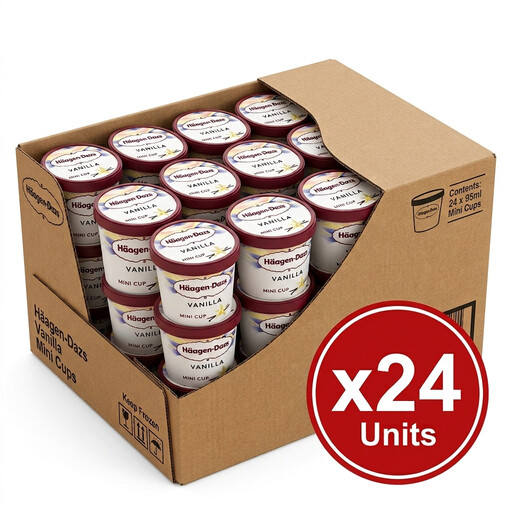 Image unavailable
The case of individual vanilla tubs is an option when separate portions are useful. Check the current pack for ingredients, allergens and serving instructions, and judge the dessert’s texture when served rather than treating the portion format as proof of suitability.
 Image unavailable
This caramel-flavoured tub is worth comparing if a swirl appeals more than plain vanilla. Check the physical pack for its exact ingredients, allergens and any solid additions before choosing it for a low-chewing meal; follow its serving and freezer instructions.
 Image unavailable
A coffee flavour offers another tub to compare when avoiding named crunchy pieces. Check the current pack for inclusions, milk and egg allergens, caffeine information and serving instructions; a flavour description does not establish suitability for a swallowing-texture diet.
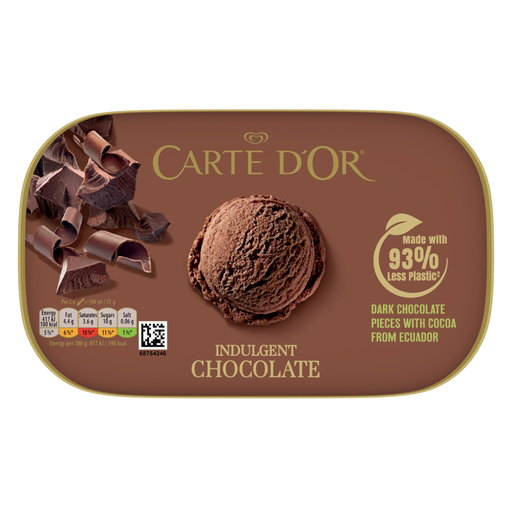 Image unavailable
Consider this chocolate dessert only after checking its texture at the intended serving temperature; its name alone does not establish low chewing demand. Check the current pack for ingredients and allergens, particularly if milk, soya, gluten or nuts matter, and follow its freezer instructions.
No. Ice cream can contain brittle, nuts, biscuit or other pieces that need more chewing than its base. Check the exact flavour and every component against the eater’s ability to manage soft foods; the NHS East of England Community Health and Care NHS Trust’s Easy to Chew guidance is not intended for people with swallowing problems or an increased choking risk.
A smooth product description is not enough to decide. Follow the person’s individual clinical plan and relevant professional advice; the International Dysphagia Diet Standardisation Initiative says texture assessment should reflect the food’s intended serving conditions, including temperature.
Check the exact flavour’s ingredients, allergen declaration, named pieces or toppings, and serving and storage instructions. Use the current physical pack, particularly when comparing variants within one range or buying for someone with an allergy.
Follow the instruction for that product rather than applying one timing to every tub. ASDA advises taking its Exceptional Belgian Chocolate Dairy Ice Cream out of the freezer 15 minutes before consuming; its instructions also say not to refreeze it once defrosted. Check that the portion is manageable at the temperature at which it will be eaten.