
24/7 Customer Support

Free returns

Same-day & Next-day Delivery

Quality Guaranteed

Unlock Your Welcome Offers: FREE Delivery | Up to 80% OFF | Free 30-day JoyPlus trial
Download the APP
Lychee drinks offer a convenient way to enjoy a sweet, floral fruit flavour at home, with options ranging from still juice and sparkling soda to iced tea, aloe vera drinks and chewy nata de coco beverages. However, attractive packaging can make products seem more similar than they are.
Before buying, UK shoppers should look beyond the front label. The percentage of lychee juice, sugar content, serving format and allergen information can significantly affect whether a drink suits everyday refreshment, meals, parties or an occasional treat.
A product described as a lychee flavoured drink may contain only a small amount of fruit juice, or none at all. For example, some beverages use concentrated flavouring to create the aroma, while others list lychee juice or lychee juice concentrate as a measurable ingredient.
Check the ingredients list and look for:
A higher juice percentage does not automatically mean the drink will suit everyone, but it gives a clearer indication of what you are buying.
A low-calorie lychee drink may still contain sweeteners, sugar or both. Compare the nutrition panel per 100ml rather than relying on words such as “light”, “slim” or “lower calorie”.
For context, FOCO Lychee Juice lists 40 kcal and 11g of sugars per 100ml, while Huayang Lychee-Flavoured Mixed Juice Soda lists 16 kcal and 3.3g of sugars per 100ml. These are different formulations, so checking the full label is more useful than judging the packaging.
Also note warnings about sweeteners. Some products containing aspartame must indicate that they contain a source of phenylalanine, which matters for people with phenylketonuria.
A bottle of clear juice, a carbonated glass soda and a jelly drink provide very different experiences. Nata de coco pieces can be enjoyable for shoppers who like a chewable texture, but they may not suit people seeking a quick, smooth drink.
Packaging also affects storage and use:
First decide whether you want lychee juice, a lychee flavoured drink, sparkling lychee soda, or a mixed beverage. A still juice drink is usually smooth and suitable for sipping or mixing into mocktails. A lychee soda adds carbonation, while lychee iced tea combines fruit flavour with tea ingredients and may contain caffeine.
For a more distinctive texture, look for lychee drink with nata de coco or coconut jelly. If you prefer a drink with pulp or gel, check the description for the quantity and type of added pieces.
Compare:
A 320ml bottle with 12g of sugar per 100ml contains considerably more sugar overall than the same label value in a 200ml bottle. Pack size is therefore just as important as the per-100ml figure.
Products marketed as low calorie may use sweeteners instead of, or alongside, sugar. Read the ingredients and warnings if you prefer to avoid particular additives.
Always inspect the current packaging before consumption, particularly when buying imported Asian lychee drinks. Mogu Mogu Lychee Flavoured Drink contains coconut, while Tropical Sun Lychee Juice Drink lists sodium metabisulphite as an allergen. Kato products may also include sweeteners and, in one listing, a warning about phenylalanine.
Check the label for:
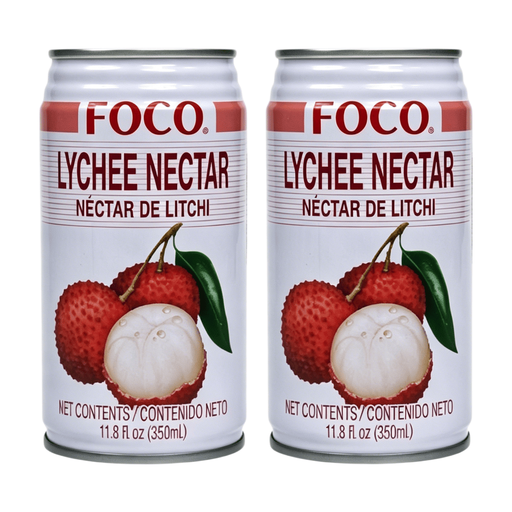
Why This Fits Their Persona: A compact two-piece pack works well for shoppers trying lychee juice for the first time or keeping a couple of drinks in the fridge.
The listing states 25% lychee juice, helping distinguish it from a drink based only on flavouring.
350ml serving size; 40 kcal per 100ml; suitable for sipping or using in mocktails and smoothies.
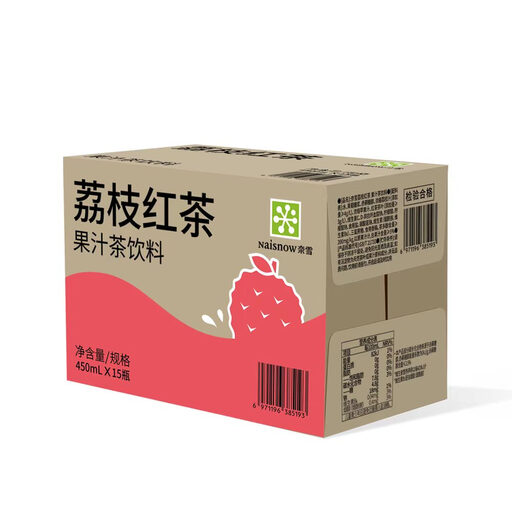
Why This Fits Their Persona: The larger pack suits regular iced-tea drinkers who want ready-to-drink bottles for home, work or shared occasions.
The listing identifies brewed black tea, concentrated lychee juice and the use of erythritol and luo han guo concentrate.
450ml bottles; 20 kcal per 100ml; a tea-based alternative to ordinary fruit juice.
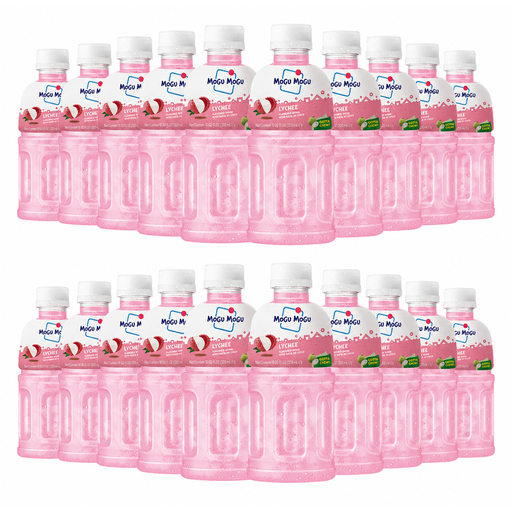
Why This Fits Their Persona: A 24-bottle case is practical for households, parties or shoppers who specifically want a chewable tropical fruit drink.
The product clearly specifies 25% nata de coco and states that it is not carbonated, so the texture and format are transparent.
320ml bottles; 25% nata de coco; serve chilled and shake gently to distribute the pieces.
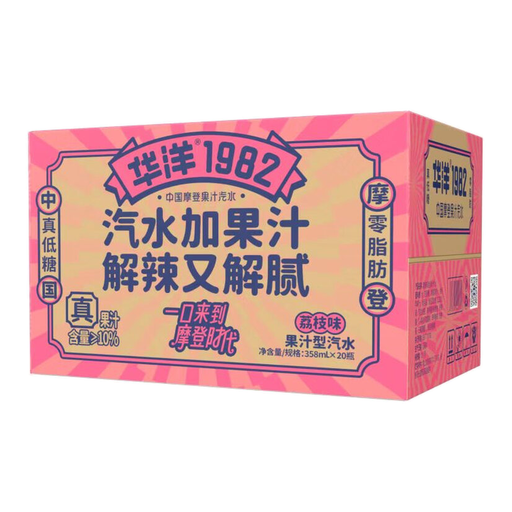
Why This Fits Their Persona: The glass-bottle case is suited to meals, celebrations and shoppers who prefer a traditional fizzy serving format.
The listing gives the juice sources, carbonation-related ingredients and nutrition values rather than presenting it as plain juice.
358ml glass bottles; carbonated mixed-juice format; 16 kcal per 100ml.
We have compiled a complete, real-time list of products that fully satisfy these strict selection criteria and UK safety regulations.
No. Lychee drinks include still juice beverages, iced teas, aloe vera drinks, jelly drinks and carbonated sodas. Check the product name and ingredients for carbonated water or carbon dioxide if you specifically want a sparkling drink.
Compare the nutrition panel rather than relying on marketing language. Huayang Lychee-Flavoured Mixed Juice Soda lists 16 kcal per 100ml, while NAYUKI Lychee Black Tea Fruit Drink lists 20 kcal per 100ml. Both contain sweeteners or sweetening ingredients, so the full label remains important.
Storage varies by product, but many listings advise refrigeration and consumption within one day to three days after opening. Always follow the packaging instructions, reseal the container where possible and discard the drink if its smell, colour or texture changes.