Start with the office’s software and sharing workflow, then choose the laptop configuration: Adobe recommends 16 GB of RAM, an SSD and a 1920 × 1080 display for current InDesign. A MacBook Pro is a route if the team supports macOS; a configurable Windows workstation may suit Windows-managed offices, while a specified high-resolution panel matters more when layouts are judged mainly on the laptop screen. Check the exact configuration, required connections and colour workflow before ordering.
Who is this laptop for?
InDesign-first magazine layouters
If you assemble multi-page publications with linked assets, start with the requirements for your InDesign version. Adobe recommends 16 GB of RAM, an SSD and a 1920 × 1080 display for current InDesign; your other open applications and working files also affect the configuration you choose.
Designers working mainly on the laptop screen
If you inspect page detail and imagery without a permanent external monitor, check the panel on the exact configuration. Lenovo specifies a 3840 × 2400 OLED display rated at 100% DCI-P3 for its ThinkPad P1 Gen 7 configuration 21KV0025UK, but that specification alone does not establish a match to a printer.
People managing the shared-office workflow
If colleagues need to comment on proofs or share creative assets, account permissions and licences matter alongside the laptop. Adobe offers browser-based InDesign review links and describes shared libraries and central licence management among its Creative Cloud for teams features.
What matters when choosing?
Check InDesign and office-software compatibility first. Then decide whether screen space or shared-workflow management has the greater influence on the configuration.
| Concern |
What to check |
Who this matters to |
| Layout performance |
Check operating-system support for your InDesign version, RAM against Adobe’s 16 GB recommendation, and SSD capacity for working files. |
If InDesign, linked assets and other office applications will be open together, I want enough memory for that workload rather than relying on the application minimum. Around 40% of consumers would put this need first. |
| Screen workspace |
Confirm the selected panel’s resolution and stated colour gamut; check print proofing separately. |
When I inspect pages on the laptop itself, I need enough room to see layout detail and a panel specification I can assess. This would be the primary concern for roughly 30% of consumers. |
| Office workflow |
Check review permissions, shared-asset access, licence ownership and compatibility with the office’s displays and docks. |
If colleagues review proofs and use shared files, I need the laptop to fit our accounts and IT setup, not just run the design application. About 30% of consumers would prioritise that workflow fit. |
Purchasing pitfalls
-
Buying to InDesign’s minimum RAM requirement
Adobe lists 8 GB as the minimum but recommends 16 GB for current InDesign. Meeting the minimum does not tell you how the laptop will handle your other open applications and publication assets.
Use the recommended 16 GB as a starting point, then assess higher-memory configurations if your workflow keeps several creative applications or large linked assets active.
-
Assuming a model family always has the same screen
Panel choices can vary by configuration. Lenovo’s stated 3840 × 2400 OLED, 100% DCI-P3 specification belongs to the particular ThinkPad P1 Gen 7 configuration 21KV0025UK.
Check the exact model or part number and its panel specification, then confirm how the office will handle print proofing and external displays.
-
Treating a product listing as a stock guarantee
A configuration can be relevant to the work without being available to order. Lenovo marked the cited ThinkPad P1 Gen 7 configuration out of stock, while a separately identified Joybuy MacBook Pro 24 GB/1 TB listing was marked unavailable.
Check availability and the final configuration before ordering; a similar model name need not mean the same memory, storage or panel.
-
Leaving collaboration arrangements until after the laptop purchase
Review links, shared libraries and centrally managed licences address different parts of a publication workflow. Laptop specifications alone do not settle who can access or administer the office’s assets.
Decide who will review proofs, own shared assets and manage licences before choosing the device and accounts.
Brands to consider for these laptop routes
Apple
A macOS route for an office whose design applications and support arrangements already work on MacBook Pro.
- Apple lists MacBook Pro configurations with 24 GB unified memory and 1 TB SSD options, alongside Liquid Retina XDR displays.
- Confirm the required plug-ins, fonts, file storage, peripherals and IT support on macOS, as well as the exact configuration being ordered.
Dell
A configurable Windows mobile-workstation route where the office specifies its business setup.
- Dell’s UK Pro Precision 5 Series 16S page showed a Windows 11 Pro configuration with 32 GB of memory and a 512 GB NVMe SSD, with other memory and storage selections.
- Check the selected screen, connections, warranty and complete configuration on the final order rather than applying one page selection to every variant.
Lenovo
A Windows workstation reference for buyers assessing a specified high-resolution, wide-gamut laptop panel.
- Lenovo’s ThinkPad P1 Gen 7 configuration 21KV0025UK specifies 32 GB RAM, a 1 TB SSD and a 3840 × 2400 OLED display rated at 100% DCI-P3.
- That particular configuration was marked out of stock; its panel rating also does not establish a match to the office’s print workflow.
Joybuy laptops for magazine layout
These laptops offer different memory, storage and screen configurations to consider for magazine-layout work. Match the exact model to your InDesign setup, office connections and screen requirements; the Apple option also calls for a check of the team’s macOS workflow.
 No image available
MSI Summit 16 AI Evo, 32 GB/1 TB
Consider this 16-inch option if you want to examine layouts on the laptop screen while using more than Adobe’s recommended 16 GB of RAM.
The title specifies a QHD+ 165 Hz display, Intel Core Ultra 7 255H, 32 GB LPDDR5 RAM and a 1 TB SSD. Confirm the panel’s colour characteristics if you will make colour-critical decisions on this screen.
View on Joybuy
 No image available
Lenovo Legion Pro 7 16IAX10H (83F5000UUK), 64 GB/2 TB
This is a Windows option to assess if generous stated memory and storage are priorities for your layout files and other applications.
The title specifies a 16-inch display, Intel Core Ultra 9, 64 GB RAM, a 2 TB SSD, NVIDIA GeForce RTX 5090 and Windows 11 Home. Check the exact panel specification and any office requirements for a different Windows edition.
View on Joybuy
 No image available
LOQ 17IRX10, i7-13650H, 24 GB/1 TB
Consider this configuration if 24 GB of stated memory and a 1 TB SSD fit your publication workflow.
The product title also identifies an i7-13650H processor and W11H. Confirm the exact screen and office-display connections for the configuration you intend to order.
View on Joybuy
 No image available
Stormforce Exobook 16 QHD+, 32 GB/4 TB
This configuration is worth assessing if you expect to keep substantial publication files on the laptop and want a stated 16-inch QHD+ screen.
Its title specifies 32 GB of memory and 4 TB of storage. Confirm the panel’s colour characteristics and the exact processor and graphics configuration before relying on them for your workflow.
View on Joybuy
 No image available
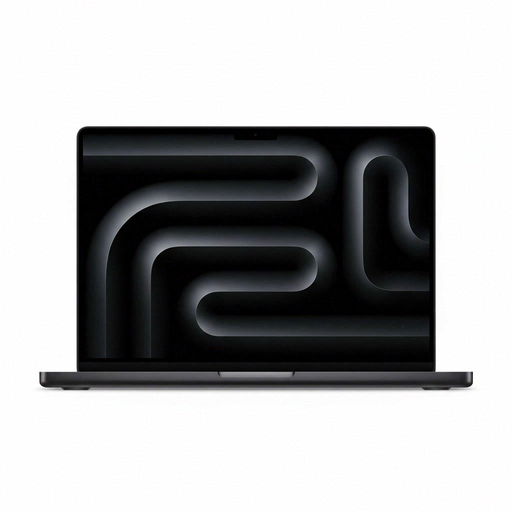
Apple MacBook Pro 14.2-inch (M5 Pro), 24 GB/2 TB, Space Black
Consider the macOS route if your office’s InDesign applications, plug-ins, fonts and shared-file arrangements work with it.
This title specifies 24 GB of memory, 2 TB of storage, a 15-core CPU and a 16-core GPU. Check the exact display resolution against Adobe’s recommendation and confirm the connections needed at the office desk.
View on Joybuy
Frequently asked questions
What specification should I start with for InDesign magazine layout?
Start by checking the requirements for your InDesign version and operating system. For current InDesign, Adobe lists 8 GB RAM as a minimum and recommends 16 GB, an SSD and a 1920 × 1080 display; those application recommendations do not determine how much capacity your other open applications and linked assets need.
Can colleagues comment on a layout without using the designer’s laptop?
Yes, Adobe’s InDesign Share for Review can let stakeholders view a document and leave comments through a browser link. Decide whether a private or password-protected review arrangement fits the office’s sharing permissions before sending it.
Will a more powerful laptop manage shared assets and licences for us?
No: device specifications and team administration are separate decisions. Adobe describes shared libraries and central licence management among Creative Cloud for teams features, so check the intended plan and who will own and administer the office’s assets.
What should the office check when replacing an old laptop?
Ask the seller about the take-back arrangement that applies to your purchase. GOV.UK says retailers covered by the relevant electrical-waste rules must offer to take back waste of the same type as an item bought from them; keep the office’s asset records and data-erasure arrangements separate from that collection decision.


