
24/7 Customer Support

Free returns

Same-day & Next-day Delivery

Quality Guaranteed

Unlock Your Welcome Offers: FREE Delivery | Up to 80% OFF | Free 30-day JoyPlus trial
Download the APP
Choosing magnesium supplements can seem straightforward until you compare citrate, powders, capsules, tablets, liquids and bath flakes. Product labels may highlight “high strength”, “advanced absorption” or several combined ingredients, but these phrases do not always tell you whether the product suits your routine, diet or preferred method of use.
As the Joybuy Product Recommendation Officer, I focus on practical details that help shoppers separate useful specifications from marketing language.
A product may state the weight of the magnesium compound, such as magnesium citrate, rather than the amount of elemental magnesium supplied. These are not the same figure.
When comparing magnesium citrate, magnesium bisglycinate or magnesium taurate products, check the nutrition panel for the actual magnesium amount per serving. This gives you a more meaningful comparison than the headline weight of the compound.
Magnesium capsules and magnesium tablets are convenient for work, travel and consistent daily use. Powders can be easier to adjust into a drink, while liquid products may appeal to people who dislike swallowing capsules. Magnesium bath flakes are different: they are designed for external use, such as a bath or foot soak, and should not automatically be treated as an alternative to an oral supplement.
A relaxing bath may fit a post-exercise or evening routine, but it should not be described as a measured dietary source of magnesium.
A higher amount is not necessarily the right amount for every adult. Taking several products together can unintentionally increase total intake, particularly when a multivitamin, sleep formula or sports product already contains magnesium.
Follow the serving instructions, avoid exceeding the stated daily dose and speak to a pharmacist or healthcare professional if you are pregnant, breastfeeding, taking medication or managing a medical condition.
Look for the actual magnesium quantity per recommended serving. For example, the Applied Nutrition Tri Magnesium powders provide 300mg elemental magnesium per 4g serving, while the Osavi powder lists approximately 300mg per 5g serving. These figures make it easier to compare products across different formats.
Remember that a serving may mean one capsule, two tablets, three softgels or one scoop. Always compare the complete serving instruction rather than the front-of-pack number alone.
Different compounds can suit different preferences:
UK shoppers should also check dietary suitability, including vegan or vegetarian capsule shells, allergens and warnings. A softgel containing bovine gelatine is not suitable for a vegan diet.
A 90-capsule bottle may not provide 90 days of use if the recommended serving is three capsules daily. Likewise, a 200g powder providing 50 servings may be more economical for someone happy to mix a drink each day.
Liquids often require refrigeration after opening, while powders and magnesium bath flakes can absorb moisture and clump. Check the storage instructions before buying, particularly if you plan to keep the product in a humid bathroom.
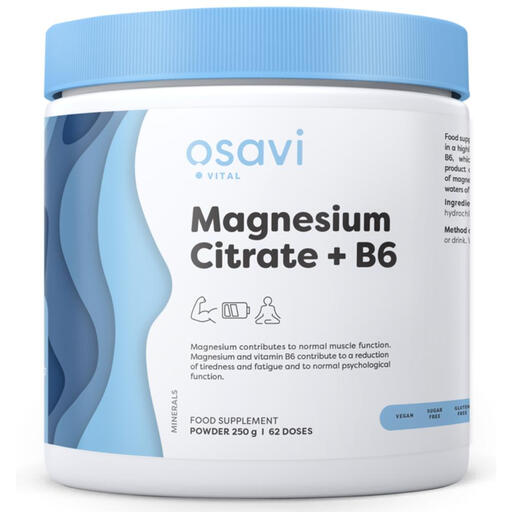
Why This Fits Their Persona: The dissolvable powder is suitable for adults who want a straightforward daily drink instead of swallowing several capsules or tablets. It provides approximately 300mg magnesium and 2mg vitamin B6 per 5g serving.
The label gives a clear per-serving amount and identifies magnesium citrate rather than relying only on a vague “high-strength” description.
250g powder; includes vitamin B6; suitable for vegetarians and free from artificial additives according to the supplied product details.
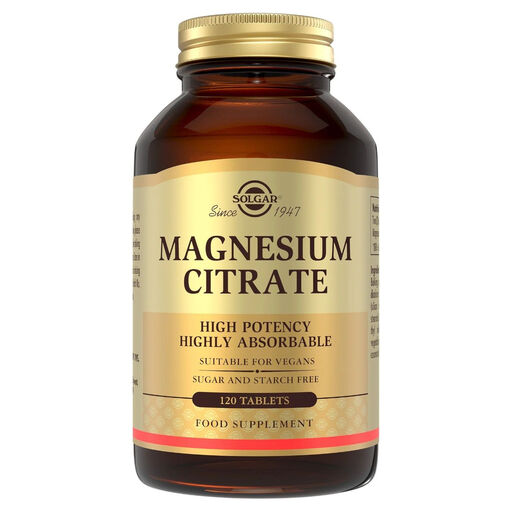
Why This Fits Their Persona: This tablet format suits adults who prefer a measured, portable option that can be incorporated into a mealtime routine without mixing a drink.
The serving information states two tablets daily and declares 400mg magnesium as citrate per serving, helping shoppers assess the actual intake.
120 tablets; vegan; free from gluten, dairy, soya, preservatives, sweeteners and artificial flavours according to the listing.
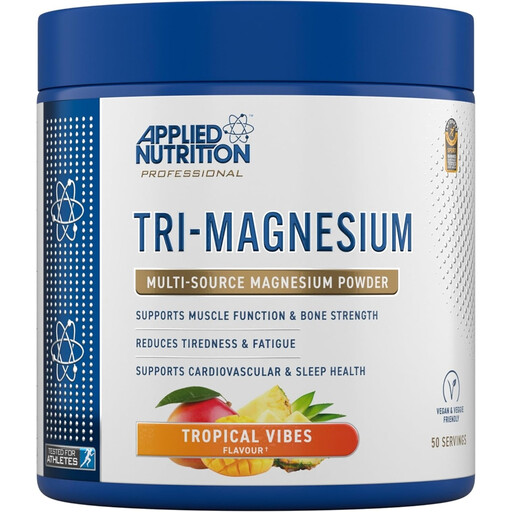
Why This Fits Their Persona: Active adults and athletes may prefer a flavoured powder with three magnesium forms and a clearly stated 4g daily serving.
It states the elemental magnesium per serving and lists the three forms, rather than presenting a blend without a measurable quantity.
300mg elemental magnesium per serving; magnesium bisglycinate, citrate and taurate; 50 servings; suitable for vegans and vegetarians.
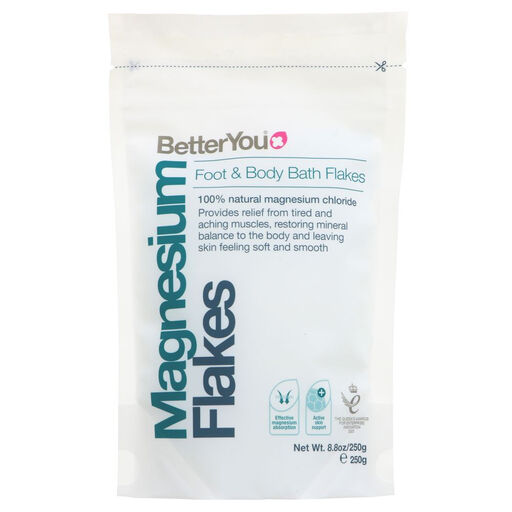
Why This Fits Their Persona: This external-use magnesium bath flake format is designed for full baths or foot soaks after exercise or a physically demanding day.
The instructions clearly distinguish a 250g full bath from a 150g foot bath and state that the product is for bathing rather than oral consumption.
Magnesium chloride hexahydrate flakes; no parabens, synthetic colours, synthetic fragrances or artificial preservatives listed.
We have compiled a complete, real-time list of products that fully satisfy these strict selection criteria and UK safety regulations.
Some adults choose magnesium products as part of an evening routine, particularly powders containing magnesium bisglycinate or formulas combined with ingredients such as L-theanine. However, product claims should not replace medical advice, and sleep problems may have many causes. Check the full ingredient list carefully, especially if a product contains 5-HTP, herbal extracts or other active ingredients.
Choose the format you are most likely to use consistently. Capsules and tablets are portable and measured, while powder can be mixed with water and may suit people who dislike swallowing pills. Compare the elemental magnesium per serving, serving size and additional ingredients before comparing price.
This depends on the recommended amount and how often you soak. A 250g bag provides one full bath at the stated dosage, while a 1kg pack can provide several uses. Keep opened flakes tightly sealed in a cool, dry place because moisture can cause clumping. Always use bath flakes externally and stop if skin irritation develops.