
24/7 Customer Support

Free returns

Same-day & Next-day Delivery

Quality Guaranteed

Unlock Your Welcome Offers: FREE Delivery | Up to 80% OFF | Free 30-day JoyPlus trial
Download the APP
Magnesium supplements come in powders, capsules, softgels, effervescent tablets and bath flakes. That variety is useful, but it also creates several buying traps. A product may appear high-strength because of the weight of its magnesium compound, while the amount of elemental magnesium is considerably lower. Another may promote several magnesium forms without clearly showing how much each serving provides.
For UK shoppers, the key is to compare the label rather than the front-of-pack marketing. You should also decide whether you want an oral food supplement for daily magnesium support or an external bath product for a relaxing routine.
Magnesium citrate, magnesium glycinate and magnesium taurate are compounds that contain magnesium. The number that matters for comparing oral products is the elemental magnesium per serving. For example, one product may state 750mg of magnesium citrate but provide 119mg of elemental magnesium.
Always check:
UK labels may also show the percentage of the Nutrient Reference Value (NRV). This helps with comparison, but it does not tell you whether a product suits your individual diet or health circumstances.
Magnesium capsules, magnesium softgels, powders and effervescent tablets are consumed orally. Magnesium bath flakes are for external use and should not be treated as an alternative source of dietary magnesium. A warm bath may fit a muscle relaxation or evening routine, but claims about meaningful magnesium absorption through the skin should be treated cautiously.
Bath products also involve separate considerations, such as fragrance oils, sensitive skin and use on broken or irritated skin.
A flavoured magnesium powder can be convenient if you dislike swallowing tablets, but it may contain sweeteners, acids or colourings. A softgel may be easy to swallow, yet some use bovine gelatine and beeswax, making them unsuitable for vegans and some vegetarians.
Before buying, match the formula to your preferences:
For daily magnesium supplements, compare the elemental amount per recommended serving. Some products provide around 200mg, while others provide 300mg or 400mg. More is not automatically more suitable. Follow the product directions and avoid combining several high-dose magnesium products unless a healthcare professional advises you to do so.
Magnesium contributes to normal muscle function, normal nervous system function, normal energy-yielding metabolism and the reduction of tiredness and fatigue when the relevant authorised nutrition conditions are met. These are general nutritional functions, not promises to treat cramps, insomnia or medical conditions.
A 200g powder offering 50 servings may be economical if used daily, but a flavour you dislike will reduce its practical value. Capsules are portable and require no mixing, whereas effervescent tablets can be useful at work or while travelling.
For bath flakes, compare the recommended quantity per bath. A 1kg bag used at 250g per bath provides roughly four full baths, while a 750g bag provides fewer. This calculation gives a more useful cost comparison than pack weight alone.
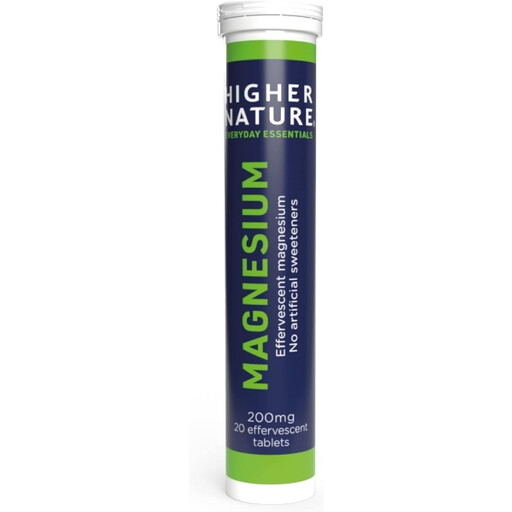
Why This Fits Their Persona: A compact 20-tablet option for shoppers trying magnesium supplementation without committing to a large container.
Its label states 200mg magnesium per tablet, making the daily amount straightforward to check.
Orange flavour, effervescent format and one-tablet daily direction.
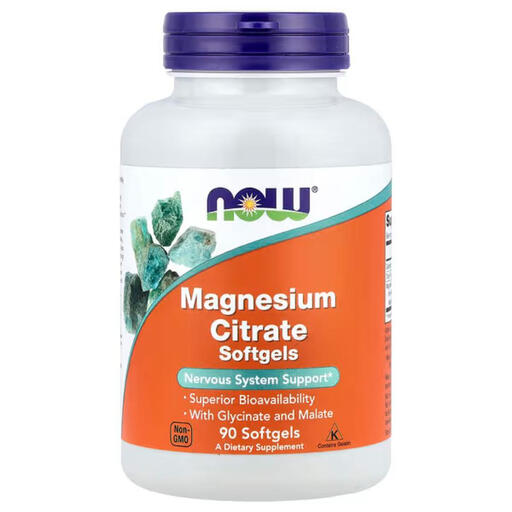
Why This Fits Their Persona: Suitable for adults who prefer a liquid-filled softgel and want a clearly stated three-softgel serving.
The label specifies 400mg magnesium per three-softgel serving rather than only highlighting the compound name.
Liquid softgel delivery; includes magnesium from citrate, glycinate and malate.
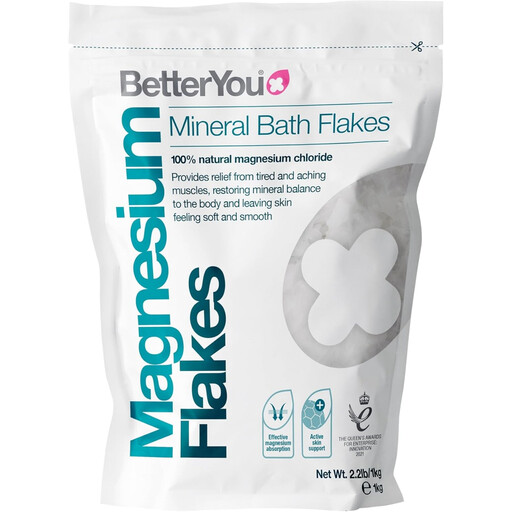
Why This Fits Their Persona: A practical choice for people who want targeted foot soaks or occasional post-workout bathing rather than an oral product.
It is clearly presented as an external bath and foot-soak product, so it is not confused with dietary magnesium supplements.
Magnesium chloride flakes; suitable for full-body baths and targeted foot soaks.
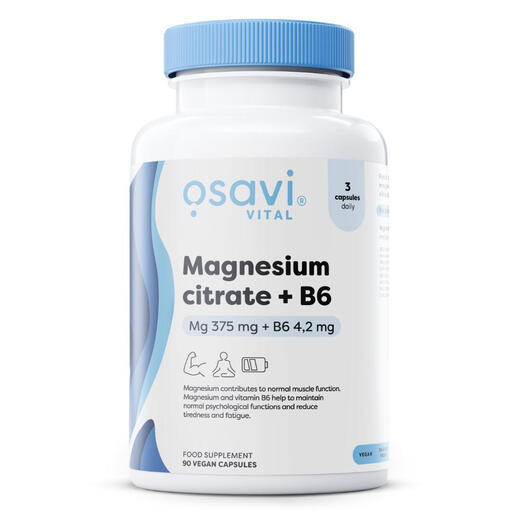
Why This Fits Their Persona: Designed for adults seeking vegan magnesium supplements in a capsule format with added vitamin B6.
The capsule shell is hydroxypropyl methylcellulose, and the stated formula combines magnesium citrate with vitamin B6.
90 capsules; three-capsule daily direction; active vitamin B6 form listed as P-5-P.
Read the complete label before purchase, including warnings, allergens, dosage and storage instructions. Food supplements should complement a varied diet rather than replace it. If you are pregnant, breastfeeding, under medical supervision, taking prescription medicines or living with kidney problems, ask a healthcare professional before using an oral magnesium supplement.
For bath flakes, use only as directed, avoid broken or irritated skin and stop if discomfort develops. Essential oils may not suit sensitive skin, so an unscented magnesium powder can be a simpler option.
Some shoppers choose magnesium glycinate, citrate or an evening powder as part of a bedtime routine. However, supplements should not be presented as a treatment for insomnia. Check the elemental magnesium amount, follow the label and consider an unscented bath product if you mainly want relaxation before bed.
No. Bath flakes are external-use products, while capsules, powders and effervescent tablets provide dietary magnesium. Bathing may support a relaxing routine, but it should not be used to calculate your daily magnesium intake.
Divide the pack quantity by the stated daily serving. A 90-capsule product requiring three capsules daily lasts approximately 30 days. For bath flakes, divide the total weight by the grams recommended per bath. This provides a more realistic cost comparison than comparing pack prices alone.