
24/7 Customer Support

Free returns

Same-day & Next-day Delivery

Quality Guaranteed

Unlock Your Welcome Offers: FREE Delivery | Up to 80% OFF | Free 30-day JoyPlus trial
Download the APP
A magnetic whiteboard can make planning, teaching and organising easier, but the wrong model may quickly become an expensive wall decoration. UK buyers often focus on the headline size or a low price while overlooking surface material, mounting space and what is actually included in the package.
Before choosing a large magnetic whiteboard for a home office, school, workplace or family room, check these common pitfalls:
Choose the size according to how the board will be used rather than simply selecting the largest available option.
A study whiteboard measuring around 600 x 450mm may be sufficient for weekly tasks or revision notes. A large magnetic whiteboard such as a 1200 x 1800mm model provides space for project planning, lesson layouts, shift schedules or several users working at once.
Remember that the stated dimensions usually describe the complete board, including the frame. The actual writing area will be slightly smaller. Measure the wall and check:
A dry erase whiteboard should have a smooth surface that accepts suitable whiteboard markers and can be wiped without excessive pressure. Ask whether the listing identifies the surface as lacquered steel, enamel, glass or porcelain steel whiteboard construction.
Porcelain steel is commonly selected where frequent writing and cleaning are expected, but buyers should still follow the manufacturer’s care guidance. Use markers intended for dry erase boards and remove writing regularly rather than leaving ink on the surface for extended periods.
If magnets are important, check whether the writing surface is magnetic rather than relying on the product title alone. Magnetic performance can vary according to the magnet type, paper thickness and number of sheets being displayed.
A whiteboard with silver frame can suit offices, classrooms and contemporary home interiors. Aluminium frames are also relatively easy to wipe around, but the frame itself does not guarantee that the board includes every fixing needed for your wall.
Before installation, check the product listing for mounting hardware and instructions. Plasterboard, brick and concrete walls require different fixing approaches. For a wall-mounted whiteboard, use fixings appropriate for the wall structure and consider getting assistance with larger boards, as they can be awkward to lift safely.
For workplaces and classrooms, also check the board’s edges, corners and stability after installation. If the listing provides manufacturer and UK responsible-person details, retain them with your purchase records.
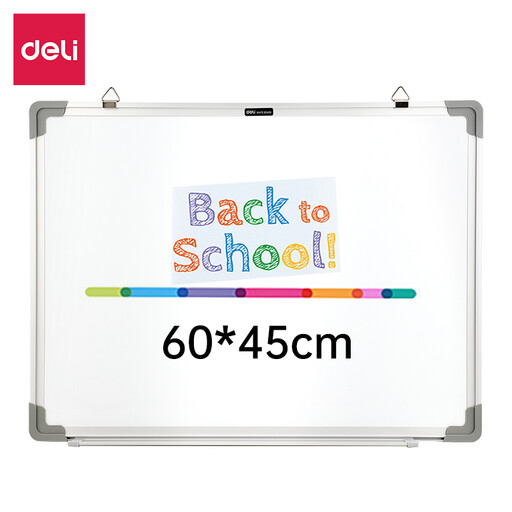
Why This Fits Their Persona: The 24 x 18-inch format is suited to first-time buyers, small-footprint workspaces, bedrooms and smaller home office walls where a full-size board would be impractical.
Its clearly stated dimensions help avoid buying a board that overwhelms a limited wall area. Confirm magnetic functionality in the listing if document display is required.
Compact 24 x 18-inch format; single-board pack for straightforward planning and task lists.
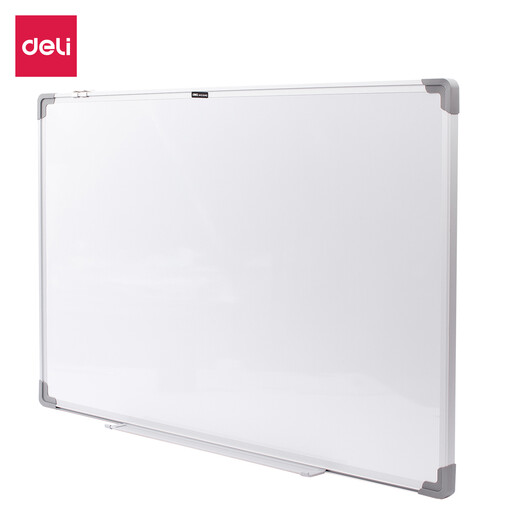
Why This Fits Their Persona: This large format suits home office workers, students with extensive revision plans and families managing shared schedules.
The stated 1200 x 1800mm dimensions make the wall-space commitment clear before purchase. Measure carefully and confirm the supplied mounting arrangement.
1200 x 1800mm size; silver frame; designed for home office and study use.
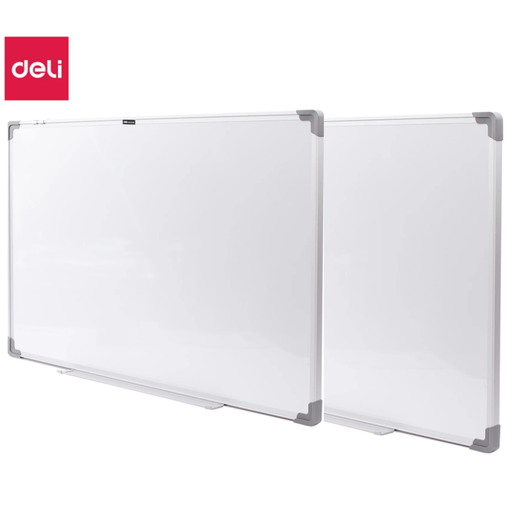
Why This Fits Their Persona: Two full-size boards can support classrooms, office teams, businesses or households that need separate planning zones.
The two-board format avoids trying to divide one surface between unrelated tasks. Check that both boards can be safely transported and mounted in the intended rooms.
Two 1200 x 1800mm boards; porcelain steel surface; silver aluminium frame; horizontal or vertical mounting options are stated in the product description.
We have compiled a complete, real-time list of products that fully satisfy these strict selection criteria and UK safety regulations.
For a wall-mounted whiteboard, mark the fixing points before drilling and use a spirit level to prevent sloping lines. Large boards may require two people during installation. Keep marker pens, erasers and magnets close to the board so the surface remains useful rather than becoming a display area only.
Use compatible dry erase markers and wipe the board with a soft cloth. Avoid abrasive cleaners unless the manufacturer specifically permits them. If a board develops persistent marks, review the marker type and cleaning routine before assuming the surface has failed.
No. Magnetic capability does not automatically indicate a specific load capacity. The result depends on the magnet strength, document thickness and surface construction. For several papers or laminated notices, use suitable magnets and avoid placing excessive weight on one point.
Service life varies according to the surface material, cleaning habits, marker quality, installation and frequency of use. A board used daily in a classroom may show wear sooner than one used occasionally at home. Regular cleaning and compatible markers can help preserve writing performance.
A standard magnetic whiteboard has no electricity requirement, so its ongoing costs are generally limited to markers, erasers, cleaning supplies and replacement magnets. The main purchase considerations are wall space, installation and whether the board size matches your actual planning needs.