
24/7 全天候客户支持

免费退货

当日/次日达

品质保障

开启新人专享福利: 全场免邮 | 低至 2 折 | 免费试用 30 天 JoyPlus 会员
下载 Joybuy
For online retailers, marketplace sellers and small businesses, mailing bags offer a lightweight way to send clothing, soft goods, documents and other non-fragile items. They can reduce packaging bulk and help control postage costs, but choosing by price or appearance alone can lead to split seams, exposed contents and wasted stock.
Before ordering in bulk, check the material, closure, dimensions and disposal information. The right postal bags should match both the product being sent and the handling conditions it may face during delivery.
A cheap pack may look economical until bags tear during packing or require extra tape and outer packaging. Thin film can also be unsuitable for products with corners, zips or heavier contents. Compare the price per usable bag, not only the headline pack price.
Pack quantity matters too. A 50-pack may suit occasional sellers, while a 100-pack can be more practical for regular dispatches. However, buying more than you can store safely may tie up money and expose the material to heat, moisture or damage.
Plastic postal bags can help shield contents from rain, splashes and dirty handling, but they do not replace cushioning. A waterproof mailing bag will not prevent crushing, punctures or impact damage. Fragile goods should be packed in a suitable protective box or padded packaging before being placed in an outer bag.
Also check whether the closure is secure. A simple adhesive flap may not provide the same visible interference protection as a tamper-evident mailing bag with a permanent peel-and-seal strip.
Clear or semi-transparent bags can reveal product details, which may be unsuitable for clothing, personal items or branded goods. Grey mailing bags with a dark internal layer offer more discreet packaging.
Dimensions can also be misleading. A stated size usually refers to the bag before filling, while the seal flap and side seams reduce usable capacity. Measure the packed item, including its height and any protective wrap, then allow enough room for the adhesive flap to close properly.
Thickness is commonly shown in microns. A 55 micron mailing bag is made from film measuring 55 microns thick, although thickness alone does not describe the whole bag’s performance. Film formulation, seams and construction also affect tear resistance.
For regular e-commerce dispatches, consider multi-layer co-extruded film. A three-layer structure can provide a more balanced combination of flexibility and tensile strength than a basic single-layer film. Look for clear information about the material and construction rather than relying on terms such as “extra strong” without a specification.
Peel and seal bags are quick to pack because they do not require separate tape. A wide adhesive strip can make sealing easier, particularly when staff are preparing multiple orders. If the adhesive flap tears the bag when opened, it can provide visible evidence that the package has been interfered with.
Press the full flap firmly after checking that the surface is clean and dry. Avoid overfilling, as tension around the seal can increase the chance of opening during transit.
Check both millimetres and inches where available, as courier and postal packaging requirements may use either measurement. Small postal bags can suit folded tops, accessories and soft accessories, while larger sizes may accommodate coats, bedding or multiple garments.
For documents, use a rigid board-backed envelope or protective sleeve inside the bag if bending could cause damage. For clothing, remove excess air without putting undue stress on the closure. Always check the carrier’s size and weight rules before finalising your packaging format.
Some recyclable mailing bags are made from recycled LDPE and may carry recycling code 4. This identifies the plastic type, but it does not guarantee that local household collections accept the item. UK recycling arrangements vary by council and packaging collection scheme.
Use the product’s stated material information, keep bags clean where possible, and check local guidance or a retailer take-back scheme. Avoid making environmental claims beyond the documented material and recycling information.
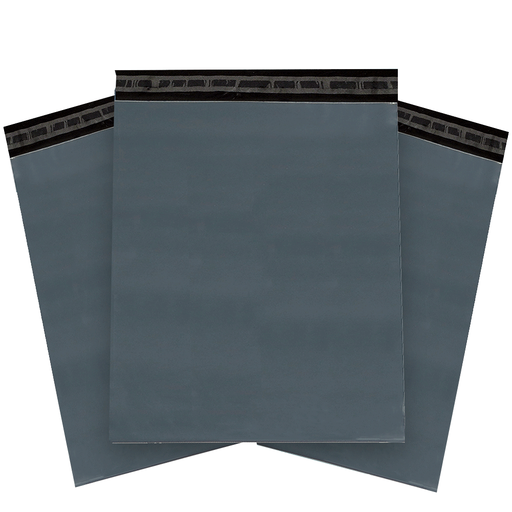
Why This Fits Their Persona: The 100-bag pack suits new online shops, occasional marketplace sellers and home businesses that need a practical stock of medium-sized postal bags.
The listing specifies 55-micron, three-layer recycled LDPE film, grey outer colouring and a black inner layer, addressing concerns about thinness and visible contents.
350 x 400mm size, 40mm peel-and-seal strip, stated waterproof construction and Code 4 LDPE recyclability.
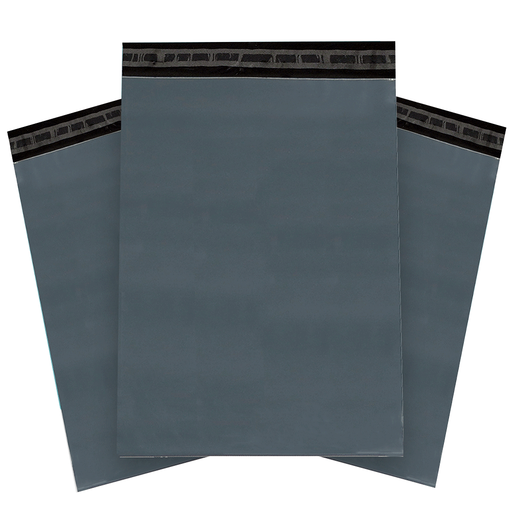
Why This Fits Their Persona: This larger format is suitable for sellers dispatching coats, jumpers, multiple garments or larger soft goods that need discreet outer packaging.
The stated three-layer, 55-micron film and tamper-evident peel-and-seal closure provide more specification detail than an unmeasured “strong bag” description.
425 x 600mm dimensions, opaque black inner layer, recycled LDPE material and a 50-pack quantity.
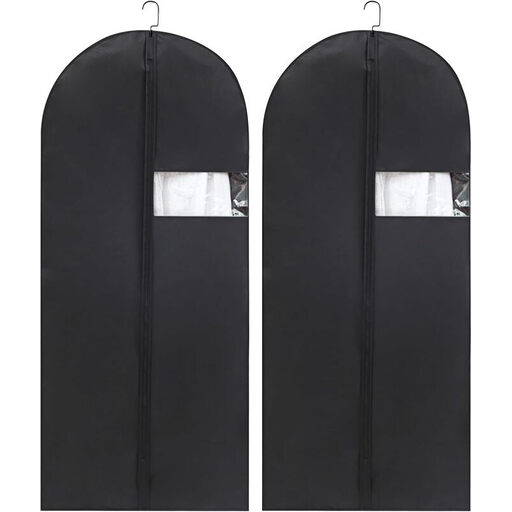
Why This Fits Their Persona: Clothing sellers sending suits, dresses and coats can use this as an inner garment cover before placing items in a suitable outer postal bag or box.
Its full-length 120 x 60cm format avoids forcing formalwear into a small mailer. It should not be treated as a tamper-evident or waterproof outer mailing bag.
Nonwoven fabric with PVC reinforcement, full-length coverage and suitability for suits, coats and dresses.
Many polythene mailing bags resist rain and surface moisture, making them useful for ordinary courier and postal handling. They are not guaranteed to protect contents from prolonged immersion, punctures or condensation. Use additional protection where the item is sensitive to water.
For clothing and other soft, lightweight goods, thicknesses such as 55 microns can provide a useful balance between flexibility and handling strength. The correct choice depends on the item’s weight, edges and packing method. Film thickness should be considered alongside seams, construction and closure quality.
Not always. A bag marked with LDPE recycling code 4 identifies its plastic type, but local collection rules differ. Check your council’s guidance or an appropriate flexible-plastic recycling point, and follow the disposal instructions supplied with the packaging.