
24/7 Customer Support

Free returns

Same-day & Next-day Delivery

Quality Guaranteed

Unlock Your Welcome Offers: FREE Delivery | Up to 80% OFF | Free 30-day JoyPlus trial
Download the APP
Whether you run a UK online shop, send office documents, post clothing or make handmade cards, the right mailing bags and envelopes can prevent damaged contents, wasted postage and unnecessary repacking. The challenge is knowing which features matter and which are simply marketing language.
A mailing bag described as “10 x 14 inches” may not offer the same usable space once the flap and seams are considered. Envelopes also need enough room for the contents to slide in without bending corners. Measure the item, then allow space for protective wrapping and closure.
For paper products, check the difference between C6 envelopes, C5 envelopes, A4 envelopes and DL envelopes. A C6 envelope suits A6 documents or an A5 sheet folded once, while a C5 format is designed for unfolded A5 paper. A4 documents generally need a C4 envelope or a larger board-backed format.
Thin, single-layer plastic may be suitable for lightweight, soft goods, but it can be more vulnerable to punctures and tearing when used with shoes, books or items with sharp corners. Look for the film thickness and construction rather than relying on phrases such as “strong” or “heavy duty”.
A useful specification is 55-micron, three-layer co-extruded film. This indicates a multi-layer structure designed to provide tensile strength and tear resistance. It is still important to wrap fragile products separately: waterproof mailing bags help protect against rain and surface moisture, but they are not a replacement for cushioning.
Opaque packaging helps conceal the contents, but it does not necessarily show whether a package has been opened. Tamper-evident mailing bags use a closure that shows visible damage when opened, making resealing more difficult.
For documents, security envelopes with an internal tint or printed pattern can reduce visibility through the paper. However, they should be sealed correctly and should not be overfilled, as excessive pressure can weaken the flap or adhesive.
For clothing and soft retail goods, poly mailers made from LDPE are lightweight and resist rain, dirt and handling marks. Recycled mailing bags can reduce reliance on new plastic, but check the stated material and disposal guidance. The featured Triplast mailing bags use recycled LDPE and are listed as recyclable under Code 4 LDPE. Local recycling arrangements can vary, so follow your council or collection provider’s instructions.
For paper envelopes, look for the paper weight and certification details. A 90gsm paper envelope is suitable for everyday correspondence, while a 120gsm kraft front with a rigid board back provides more support for flat items.
Always press along the full adhesive strip and keep packaging dry before sealing.
Choose the smallest packaging that fits without compressing the contents. Oversized packaging can increase storage requirements and may affect postage calculations. Lightweight mailing bags can help keep package weight down, while board-backed envelopes protect documents from folds and creases.
For artwork, certificates, photographs and contracts, a board-backed envelope is more appropriate than a standard paper envelope. For ordinary letters, invoices and statements, a self-seal paper envelope is generally more practical.
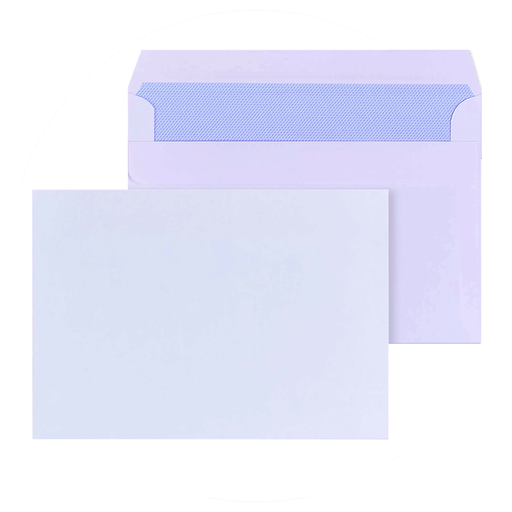
Why This Fits Their Persona: A practical pack size for home users, small offices, schools and new online sellers sending letters, invoices or statements.
The 90gsm paper, internal blue security tint and self-seal closure address concerns about weak paper, visible contents and time-consuming sealing.
C6 dimensions measure 114 x 162mm; the paper is recyclable and PEFC certified, according to the product specification.
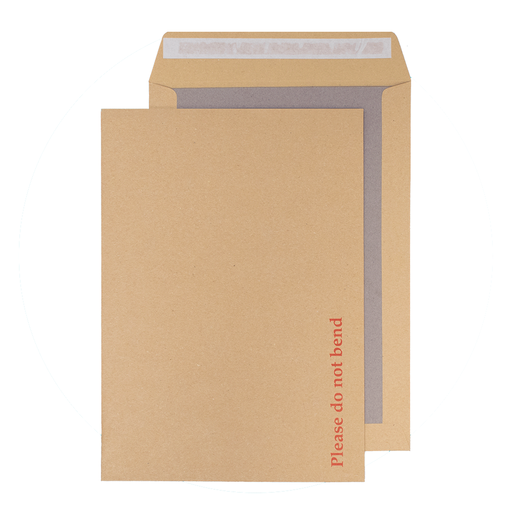
Why This Fits Their Persona: Suitable for people posting certificates, artwork, photographs, contracts and other A4 documents where a flat presentation matters.
The rigid back counters the common mistake of using ordinary paper envelopes for contents that can crease during postal handling.
It combines a 120gsm kraft front with a 1000-micron board back, plus a peel-and-seal strip and “Please Do Not Bend” handling message.
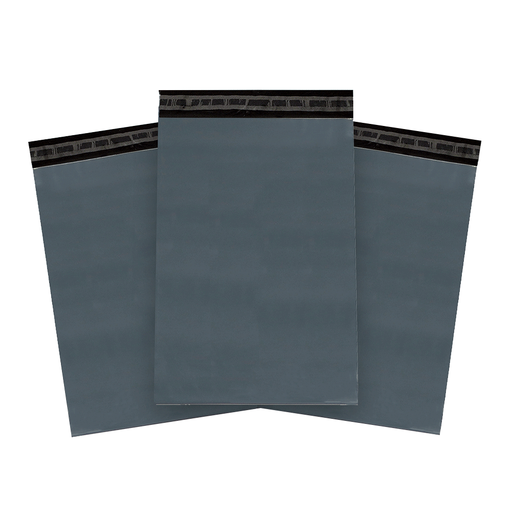
Why This Fits Their Persona: A useful format for online retailers and regular senders posting clothing, soft goods and larger flat items by courier or post.
The 55-micron, three-layer film is a more informative specification than an unsupported “extra strong” description, while the opaque construction conceals contents.
The bags are listed as waterproof, made from recycled LDPE and fitted with a 40mm peel-and-seal strip designed to show opening.
Grey mailing bags provide a discreet, conventional appearance and are suitable for many business shipments. Pink mailing bags can help a small retailer or craft seller create a more recognisable parcel presentation, while retaining opaque coverage. Colour does not indicate strength, so compare the thickness, dimensions and closure separately.
For occasional home use, packs of 10, 20 or 50 may reduce unused stock. Businesses sending daily orders can compare the unit cost of packs of 100 or 1,000, provided the chosen size matches the majority of their products.
We have compiled a complete, real-time list of products that fully satisfy these strict selection criteria and UK safety regulations.
Match the envelope to the unfolded document where possible. C6 envelopes suit A6 paper, C5 envelopes suit A5 sheets and C4 envelopes suit A4 sheets. DL envelopes are commonly used for A4 documents folded into thirds. Add room for inserts without forcing the flap closed.
Many plastic mailing bags resist rain and surface moisture, but the level of protection depends on the material, seams and seal. Keep the contents away from the opening during packing, press the adhesive strip firmly and use inner protection for electronics, liquids or moisture-sensitive goods.
Store paper envelopes and mailing bags in a cool, dry place away from direct sunlight. Moisture can affect paper strength and adhesive performance, while heat may reduce the quality of plastic film or self-seal strips. Keep unused packaging flat or neatly stacked, and store bags away from young children because plastic packaging can present a suffocation risk.