
24/7 Customer Support

Free returns

Same-day & Next-day Delivery

Quality Guaranteed

Unlock Your Welcome Offers: FREE Delivery | Up to 80% OFF | Free 30-day JoyPlus trial
Download the APP
Choosing mailing envelopes and bags is not simply a matter of picking the lowest pack price. The wrong format can lead to torn packaging, bent documents, excess postage or contents that are visible during delivery. Whether you run a UK online shop, prepare office correspondence, post artwork or make handmade cards, a few practical checks can prevent avoidable packaging costs.
A stated size such as 10 x 14 inches does not indicate how much usable space remains after sealing. Mailing bags need enough room for the item and a small allowance around the edges. Overfilling can place stress on the seams and adhesive strip, while an oversized bag may require extra folding, void fill or postage space.
Measure the packed item, including any protective wrapping, before ordering. For rigid documents, compare the product dimensions with the paper size rather than assuming that an “A4 envelope” will accept a thick bundle.
A higher micron figure can be useful, but film construction also matters. A single-layer bag and a three-layer co-extruded bag may have different tear resistance even when their stated thickness appears similar. For regular dispatches, check the material, film structure and closure design, not just the colour or headline description.
Paper envelopes have different considerations. Lightweight stationery envelopes suit letters, but photographs, certificates and artwork may need a board-backed envelope to reduce creasing.
Gummed, self-seal and peel-and-seal closures suit different workflows. A self-seal envelope is convenient for routine office mailing, while a tamper-evident mailer is more appropriate where visible opening would be a concern. Adhesive can also lose performance if packaging is stored in damp conditions or direct sunlight.
Use the following common UK formats as a starting point:
Always check the internal capacity, flap area and stated dimensions. Product measurements may describe the bag before sealing, so allow room for the closure.
Recycled LDPE is flexible and moisture-resistant, making it suitable for waterproof postal bags used with clothing and other soft items. A black internal layer can provide opacity where privacy matters. For paper formats, 90gsm paper is suitable for everyday correspondence, while a 120gsm kraft front with a 1000-micron board back offers more support for flat, crease-sensitive contents.
A recyclable claim should be read alongside the material description and local disposal arrangements. For example, LDPE marked Code 4 may be recyclable through appropriate facilities, but collection services differ across UK councils. Keep packaging clean and follow local guidance.
A peel-and-seal strip is useful for repetitive packing because it avoids separate tape or moisture. Look for a clearly defined adhesive area and seal the bag on a clean, dry surface. A tear-open or tamper-evident strip is designed to show whether the mailer has been opened, but it does not make the item puncture-proof.
Compare the cost per envelope or bag, not only the total pack price. Packs of 10 or 20 can suit occasional users, while packs of 100, 500 or 1,000 may reduce the unit cost for offices and e-commerce operations—provided the size is used regularly.
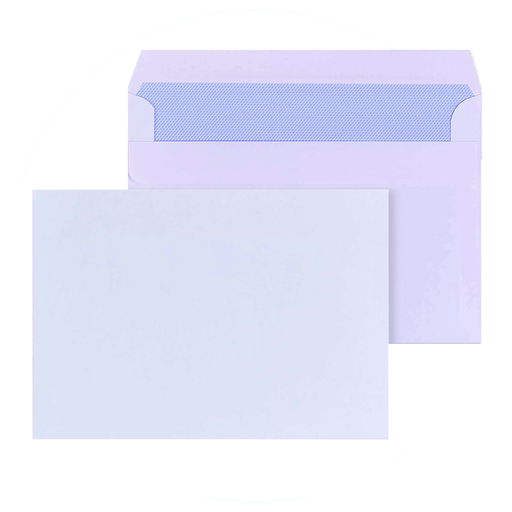
Why This Fits Their Persona: A practical quantity for home users, occasional sellers and small offices sending letters, invoices or folded A5 sheets.
The C6 dimensions are stated clearly, reducing the risk of buying an unsuitable format, while the internal security pattern helps obscure contents.
90gsm paper, self-seal closure, PEFC-certified paper and a 20-envelope pack.
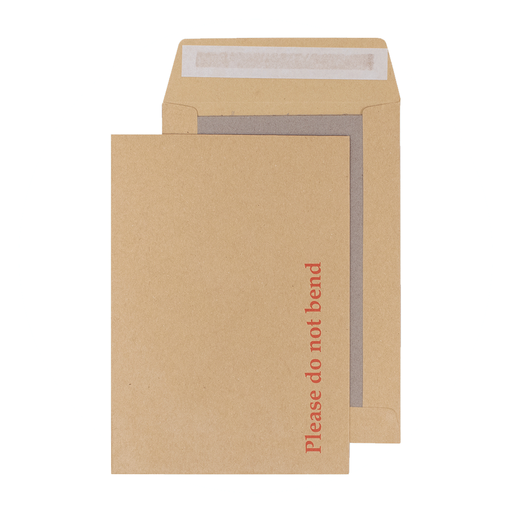
Why This Fits Their Persona: A suitable choice for photographers, artists, offices and sellers who want extra support for flat documents or prints.
The rigid back addresses the common problem of paper bending in transit; the stated construction is more informative than relying on a “do not bend” message alone.
120gsm kraft front, 1000-micron board back, peel-and-seal closure and recycled material.
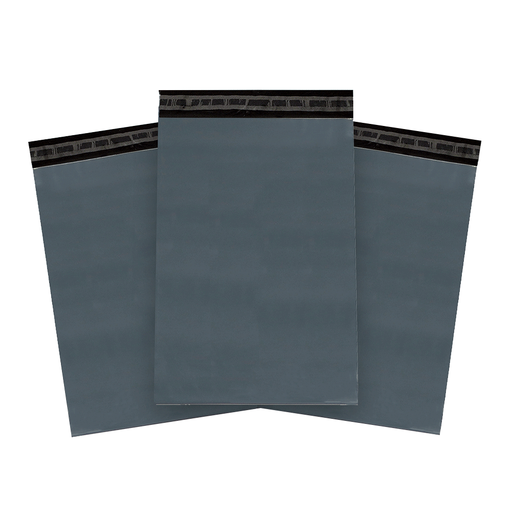
Why This Fits Their Persona: Designed for online retailers, fulfilment teams and busy sellers dispatching soft goods or clothing in regular volumes.
The three-layer, 55-micron film and tamper-evident peel-and-seal strip address concerns about weak film and resealing after opening.
Pack of 1,000, opaque black inner layer, recycled LDPE, Code 4 recyclability and moisture resistance.
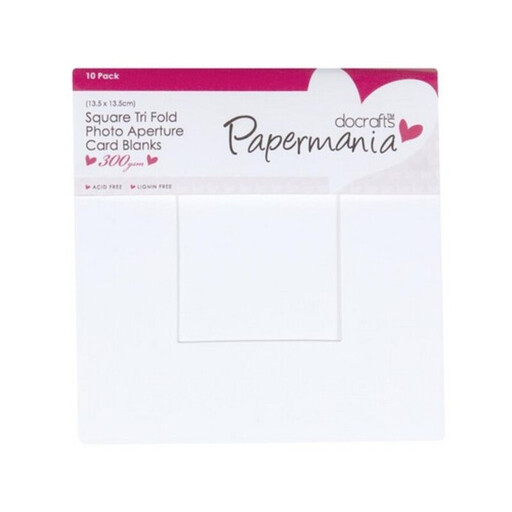
Why This Fits Their Persona: A ready-to-decorate option for handmade invitations, greeting cards, scrapbooking and small creative projects.
The matching envelopes are included, so makers do not need to guess which size will fit a decorated square card.
Ten 300gsm pre-scored cards with matching envelopes and a square aperture window.
We have compiled a complete, real-time list of products that fully satisfy these strict selection criteria and UK safety regulations.
Many poly mailing bags resist rain and surface moisture, particularly those made from LDPE. They are not a substitute for fully sealed waterproof containers, however. Check that the contents are protected from sharp edges and that the closure is pressed firmly across its full width.
C6 envelopes are intended for A6 documents, or A5 sheets folded once. C5 envelopes generally accept A5 documents or folded A4 sheets. DL envelopes are long and narrow, commonly used for A4 sheets folded into thirds. Always compare the envelope’s stated dimensions with the finished document, including any inserts.
Storage life depends on humidity, heat, sunlight and pressure on the adhesive. Keep packs sealed where possible, away from radiators and damp areas. Rotate high-volume stock and test the seal if packaging has been stored for a long period. Proper storage helps preserve paper strength, film flexibility and adhesive performance.